Yes, You Can Grow a Carpet Without CO2
The internet will tell you a carpet is impossible without CO2. That’s not quite true — you just have to pick the right species, set up the tank correctly, and be patient. A low-tech carpet grows slower, not never.
Most of the “carpets need CO2” advice comes from people who tried Monte Carlo or dwarf hairgrass under a dim light, watched it melt, and gave up. The truth is narrower: some carpeting species genuinely struggle without injected CO2, but a handful were basically built for low-tech tanks. Pick from that second group and a full, dense carpet is a realistic goal — just measured in months, not weeks.
Why CO2 matters less than people think
CO2 is a growth accelerant, not a growth requirement. Aquatic plants pull carbon from whatever’s dissolved in the water — CO2 injection just raises the ceiling on how fast they can photosynthesize. Without it, a plant that’s genetically wired for slow, low-light growth won’t be bottlenecked the way a high-demand species will. That’s the whole trick: match the plant to the setup instead of trying to force the setup to match a demanding plant.
Species that actually carpet low-tech
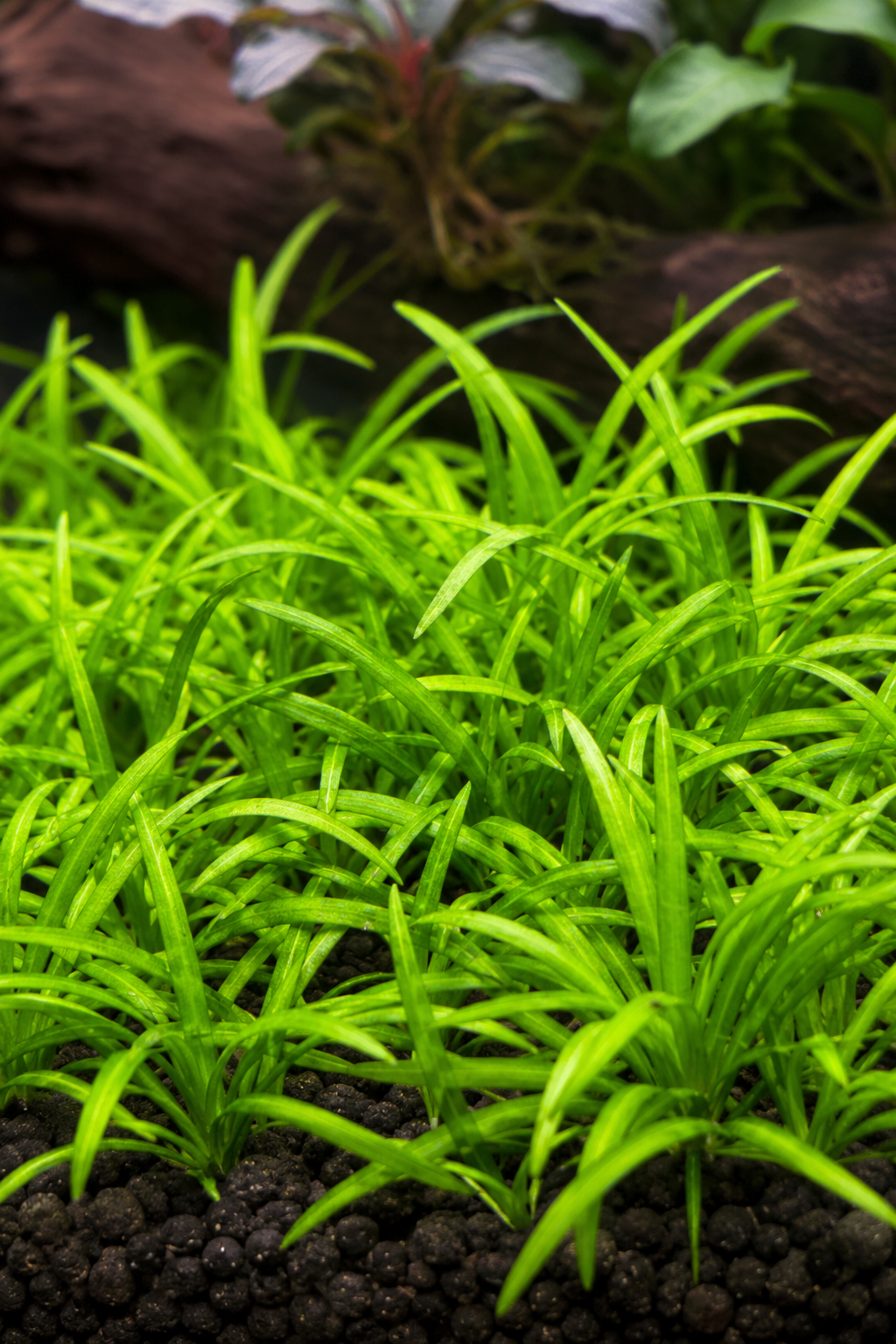
- Dwarf Sagittaria — the most reliable of the bunch. Sends out runners and spreads on its own under a basic light, and it’s forgiving of substrate and water column swings. If you only try one carpet species low-tech, make it this one.
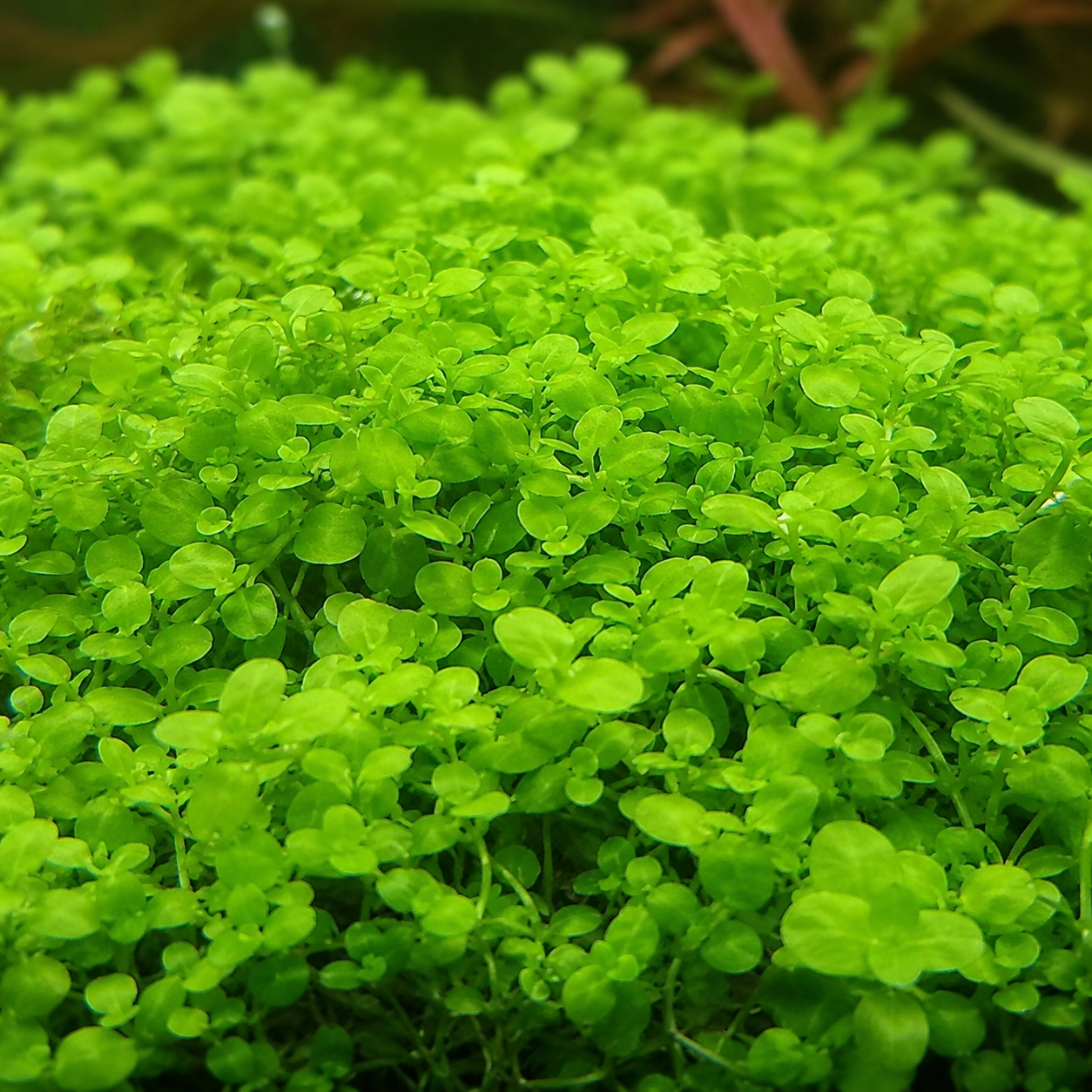
- Micranthemum ‘Monte Carlo’ — a little fussier, but it will carry a carpet under decent LED lighting if you plant it in small clumps and give it time. It wants more light than the others on this list and doesn’t love being buried too deep — press the roots in gently rather than tucking the whole stem under substrate.
- Marsilea hirsuta — a four-leaf-clover look that stays low and tolerates shade better than almost anything else here. Great for the darker corners of a tank other carpets won’t fill in.
- Helanthium tenellum (‘Micro Sword’) — grassy and dense once it takes off, though it can be slow to establish. It sends runners sideways once it’s happy, so early patience pays off later.
- Hydrocotyle tripartita — technically a creeper more than a true carpeter, but kept trimmed short it forms a lush, textured mat of tiny three-lobed leaves. It’s one of the faster growers on this list even without CO2, which makes it a good choice if you want visible progress sooner rather than later. Trim the tops regularly or it’ll start climbing instead of spreading.
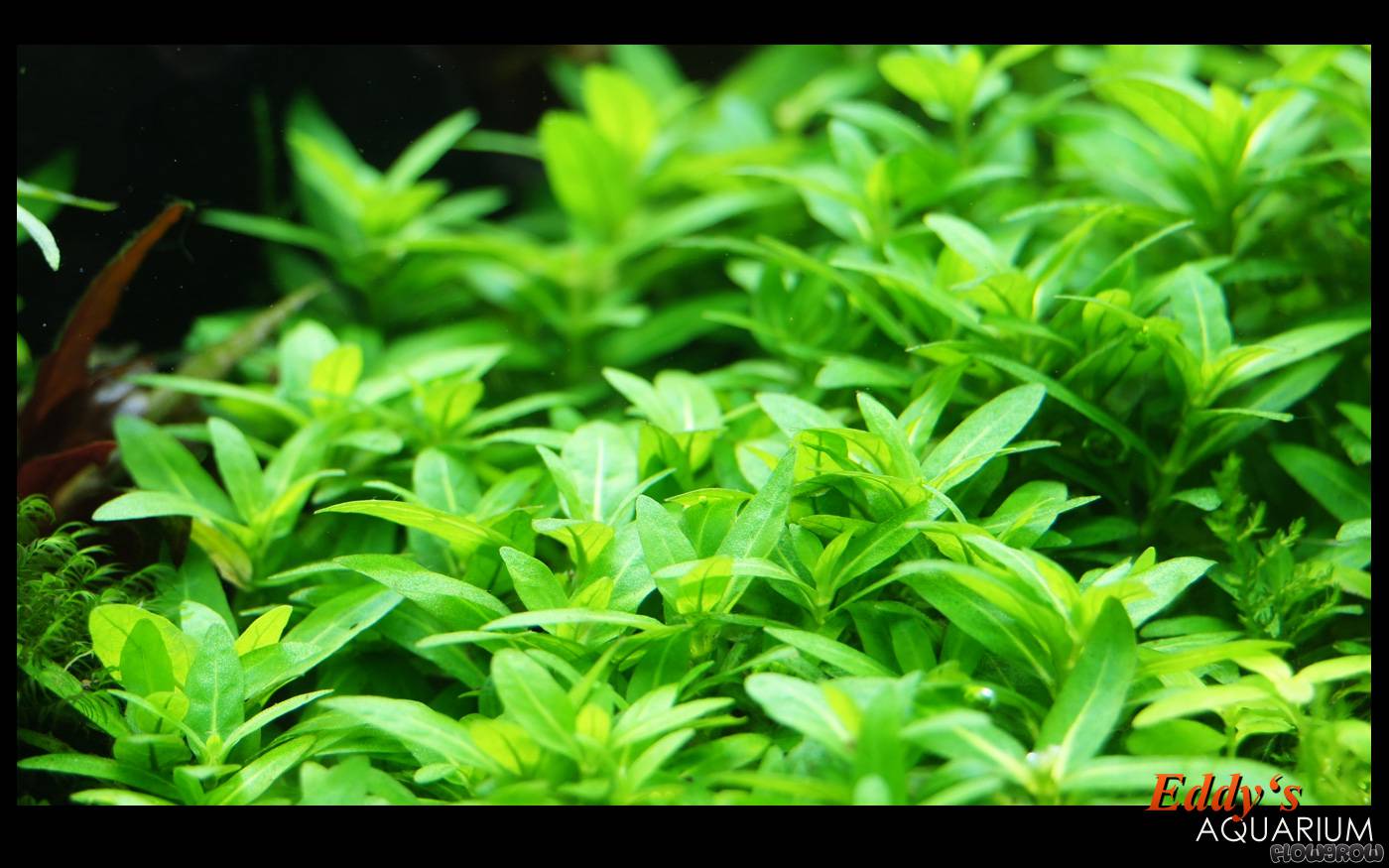
- Pearlweed (Hemianthus micranthemoides) — small, bright green, and genuinely low-tech friendly. It grows upright in stems rather than hugging the substrate like Monte Carlo, so the “carpet” look comes from repeated top-trimming that forces it to bush out and thicken low. Slower and more delicate than Sagittaria, but a nice contrast texture next to grassier species.
The low-tech carpet playbook
- Plant small, plant often. Break the portion into tiny clumps and space them out — you’re seeding coverage, not laying sod. Dense clumps compete with each other for light and nutrients and often melt back before they spread.
- Light is your CO2 substitute. A brighter (but not blinding) light for 6–7 hours drives the growth CO2 would otherwise accelerate. Aim for a fixture rated for low-to-medium demand plants, not a bare bulb kit — undergunned light is the single most common reason low-tech carpets stall out.
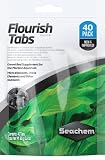
- Root tabs under the carpet. Foreground plants are heavy root feeders. A tab every few months makes a visible difference, especially for Sagittaria and Micro Sword, which root deeper than Monte Carlo or Hydrocotyle.
- Get the substrate right from the start. A nutrient-rich aquasoil (or a capped layer of root-tab-supplemented substrate) gives carpeting plants something to actually root into. Bare sand with no feeding plan will keep a carpet limping along indefinitely.
- Keep flow gentle but present. Carpets need enough circulation to prevent debris and algae film from settling on the leaves, but strong flow that flattens or uproots new clumps will set you back. Aim the outflow so it grazes the surface of the carpet rather than blasting straight into it.
- Trim to spread, not just to tidy. For creepers like Hydrocotyle and Pearlweed, regular trimming isn’t cosmetic — it’s what forces lateral, bushy growth instead of vertical climbing. Skipping trims is a common reason these two end up looking leggy instead of carpet-like.
- Patience. A low-tech carpet fills in over months, not weeks. That’s normal. Don’t rip it up at week two — the first month is almost always the slowest, since plants are putting energy into roots before you see much happen up top.
Common mistakes that stall a low-tech carpet
- Planting too deep. Especially with Monte Carlo and Hydrocotyle — bury the whole stem and it’ll rot instead of rooting.
- Skipping fertilization because “it’s low-tech.” Low-tech means no CO2 injection, not no nutrients. Root tabs and a liquid fert with iron still matter.
- Giving up during the melt phase. Many carpeting plants shed their emersed-grown leaves before pushing new submerged growth. It looks like failure; it’s usually just transition.
- Letting algae take the head start. A new carpet with lots of open substrate is prime real estate for algae. Keep light duration modest at first and increase it as coverage fills in.
Setting realistic expectations
It won’t be the emerald lawn from a high-tech contest tank — but a soft, natural low-tech carpet has a charm of its own, and it won’t tie you to a CO2 cylinder, regulator, or drop checker. Expect visible spreading by month two or three with the species above, and a genuinely filled-in carpet somewhere between month four and six, depending on light and feeding consistency. Slower is the trade-off for simplicity — and for a lot of low-tech keepers, that trade is an easy one to make.