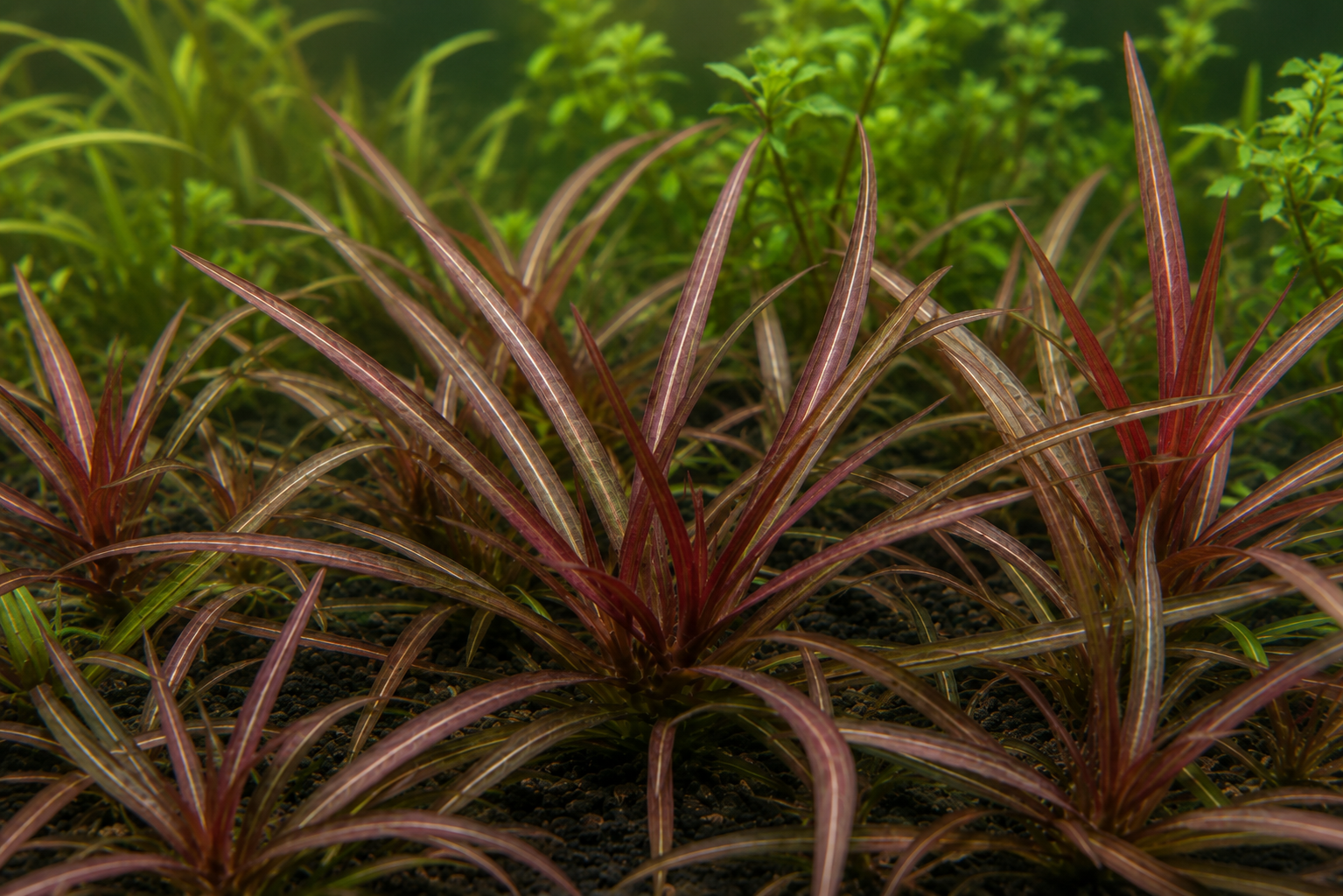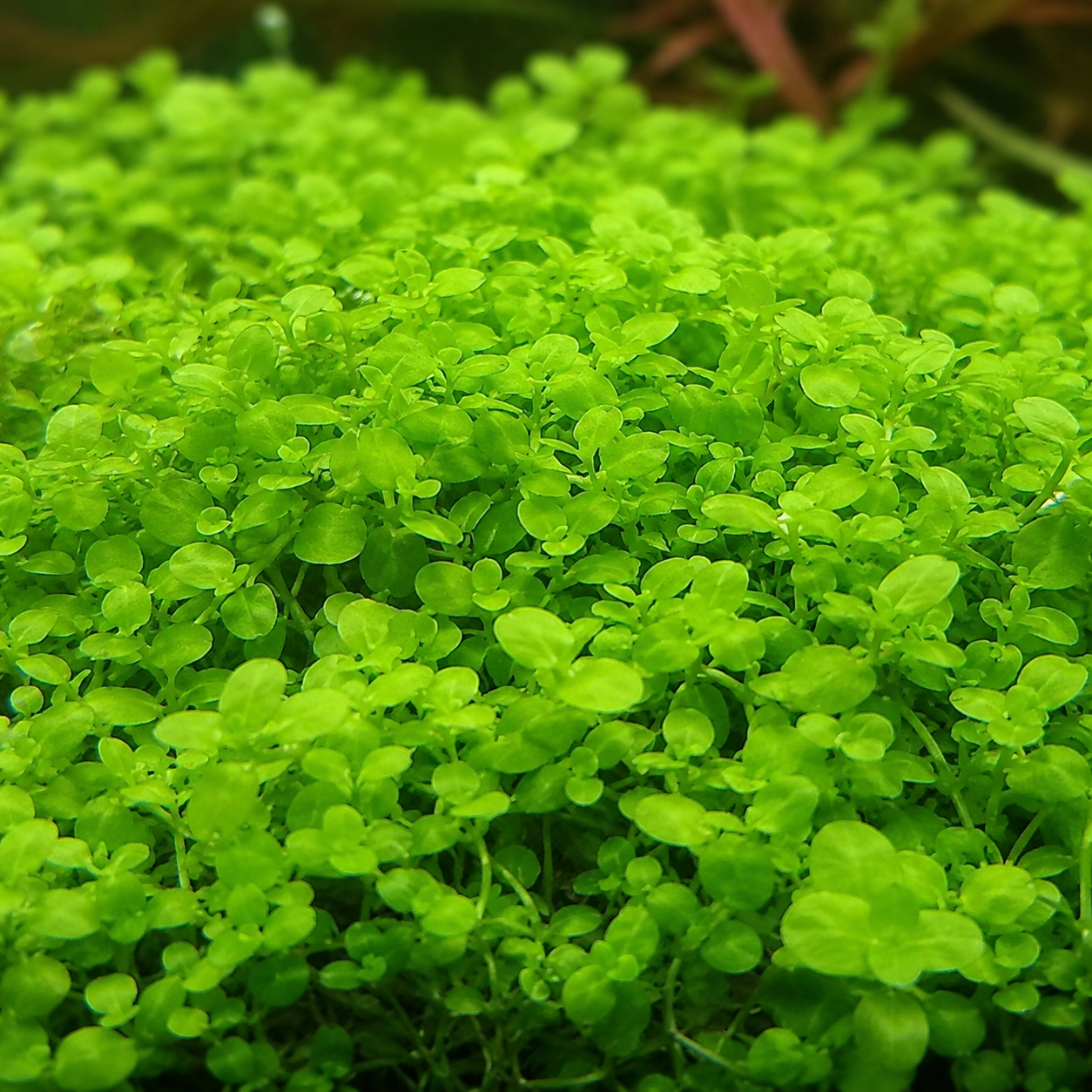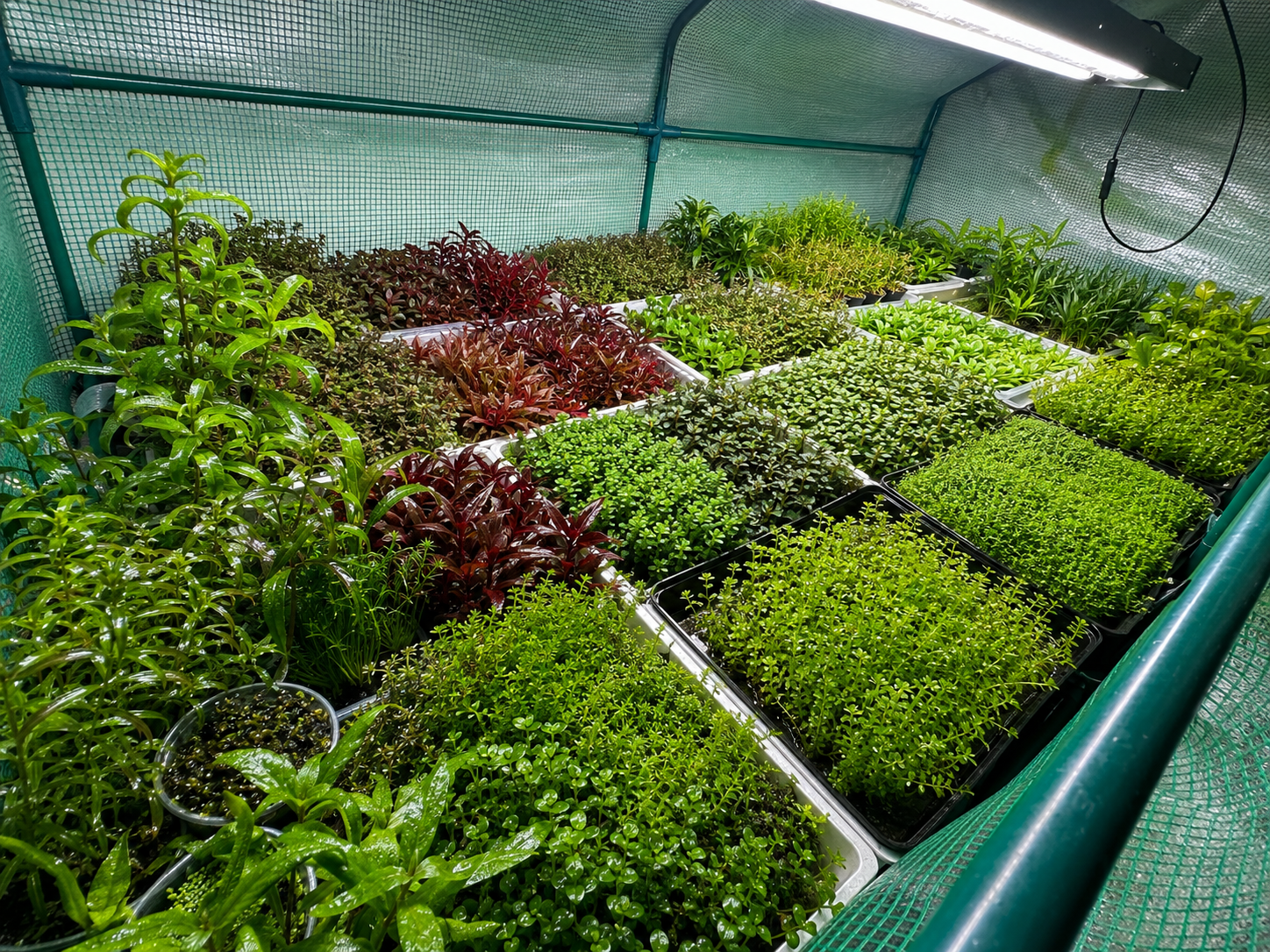
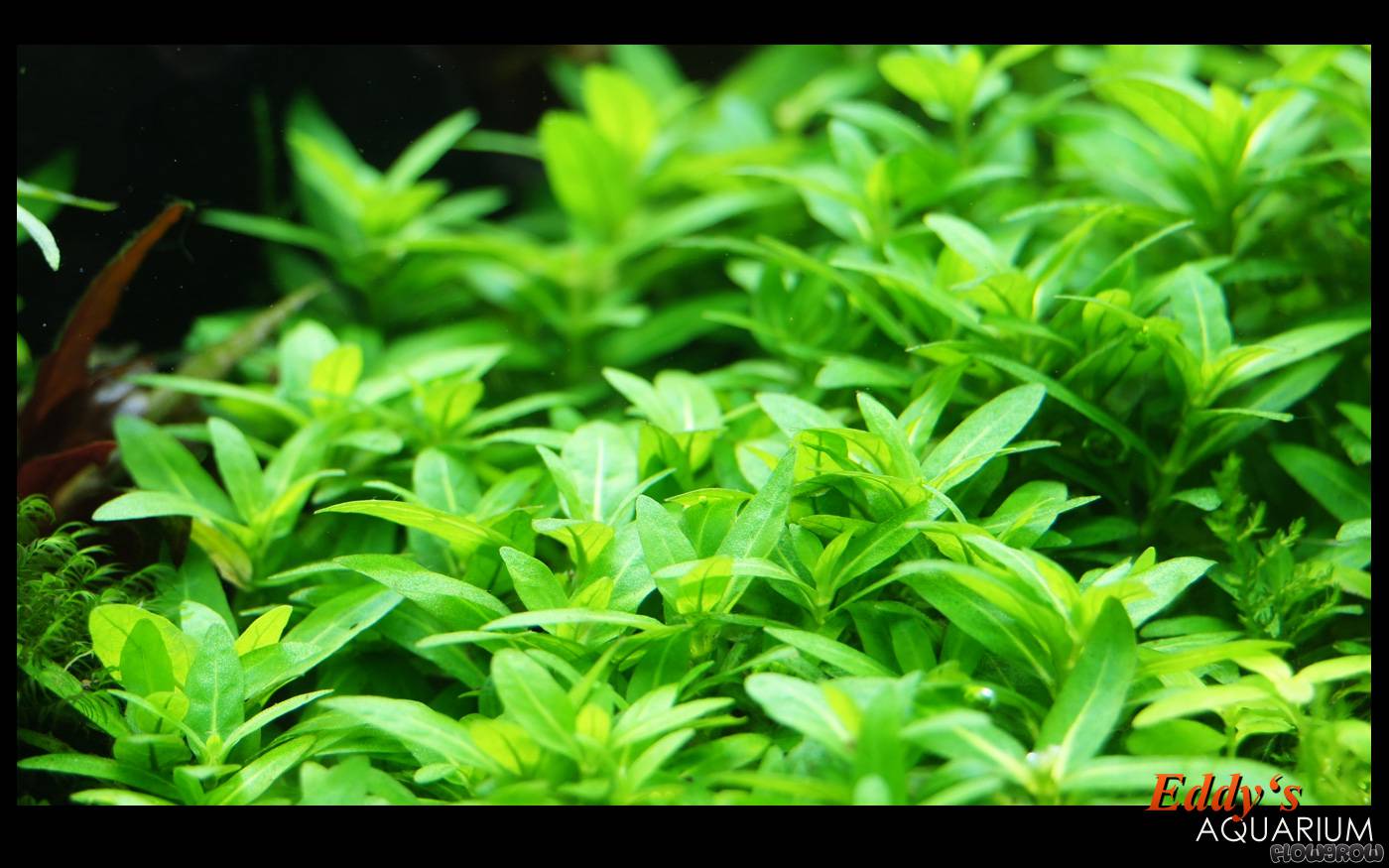
Staurogyne repens was first collected from the Rio Cristalino, a blackwater tributary in the state of Mato Grosso, Brazil. It grows naturally in extremely clear, soft, acidic water along river margins — the kind of environment that produces some of the hobby’s most beautiful plants. In the aquarium it’s far more adaptable than its origin suggests, and it’s become one of the most popular foreground plants in the planted tank hobby.
Why It’s Special for Low-Tech Tanks
Most foreground carpeting plants — HC Cuba, Glossostigma, Monte Carlo — require CO2 to spread reliably. Staurogyne repens is a genuine exception. It will creep and spread under moderate light without CO2, making it one of the very best low-tech foreground options. Growth is slower than in a high-tech setup, but it gets there.
How It Grows
S. repens produces thick, somewhat rigid green leaves on compact stems. Unlike typical stem plants, it tends to grow horizontally — side branches creep outward along the substrate — creating a low, spreading mat rather than tall vertical stems. Left untrimmed it reaches 5–10 cm, with individual stems branching repeatedly.
Placement and Use
Foreground to low midground. Plant individual stem sections 2–3 cm apart and they will eventually merge into a dense mat. It also works well planted at the base of hardscape, where it naturally creeps over the edge of rocks.
Water Parameters
Given its blackwater Brazilian origin, it does best in warm, slightly soft water — 72–82°F (22–28°C), pH 6.0–7.0 — though it’s genuinely more adaptable in tanks than its native habitat would suggest. A standard weekly 20–25% water change keeps it healthy.
Root Feeding Is Critical
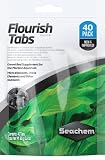
Seachem Flourish Tabs are important for Staurogyne repens. Push one tab under each initial planting cluster and replace every 3–4 months. The tabs make a visible difference in how densely the plant spreads and how thick the individual stems become. Seachem Flourish liquid weekly provides micronutrient support that the root tabs alone don’t fully cover.
Trimming
Use scissors to trim the top surface of established mats every few weeks. The trimmed mat will branch and fill in more densely. Remove upward-growing stems that have grown too tall by cutting them near the base and pressing them back into the substrate.
How to Plant
Divide the plant into individual stem sections, each with 3–5 leaves. Use fine tweezers to press each section 2–3 cm into the substrate, spacing pieces 3–4 cm apart across the foreground planting area. Fine substrate — sand or 1–3 mm gravel — produces better lateral spread than coarse gravel because runners can maintain contact with the ground. Push a Seachem Flourish Tab under each initial planting cluster immediately — the root nutrition makes a visible difference in how aggressively the plant spreads during the first month. The planting will look sparse at first; it fills in progressively over four to six weeks as side branches develop.
Common Problems
- Growing tall instead of spreading. Trim and repress upward stems into the substrate to redirect growth back into a creeping habit.
- Slow initial spread. Usually means root tabs are missing, or the substrate is too coarse for runners to maintain contact.
- Sparse-looking planting for the first few weeks. Normal — this plant fills in progressively rather than looking full immediately.
Pests
No specific pest issues. Rinse new stems and check for hitchhiker snails before adding them to an established tank.