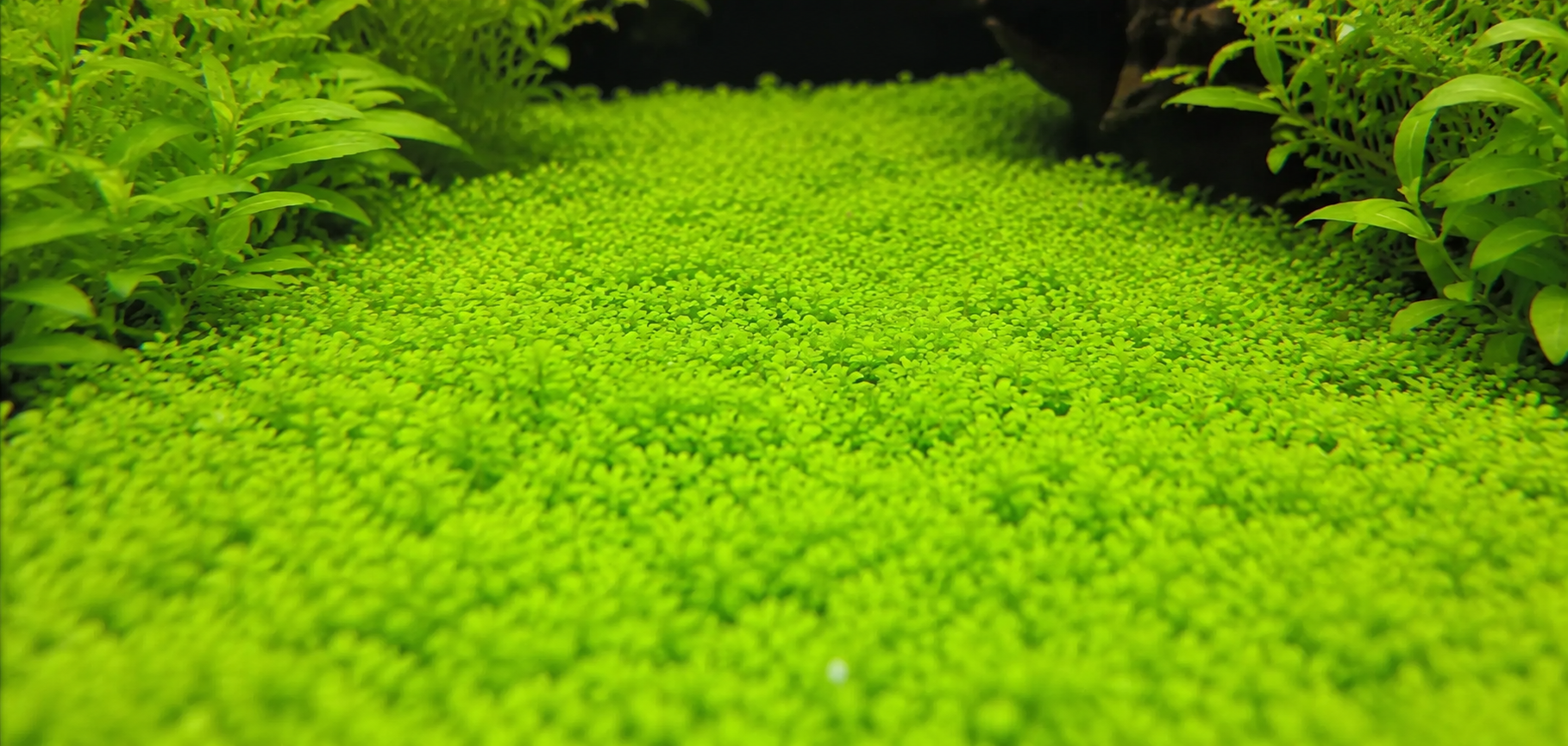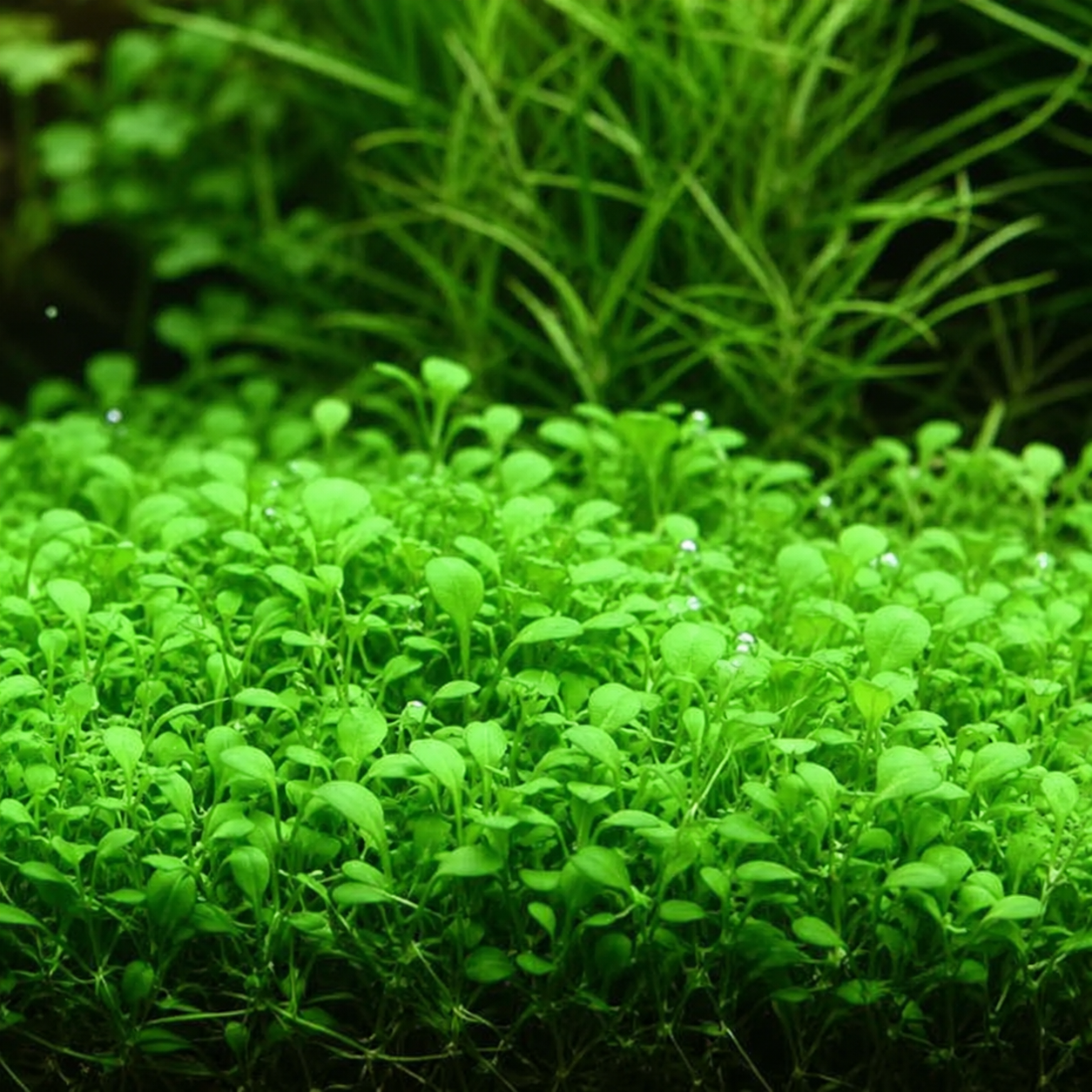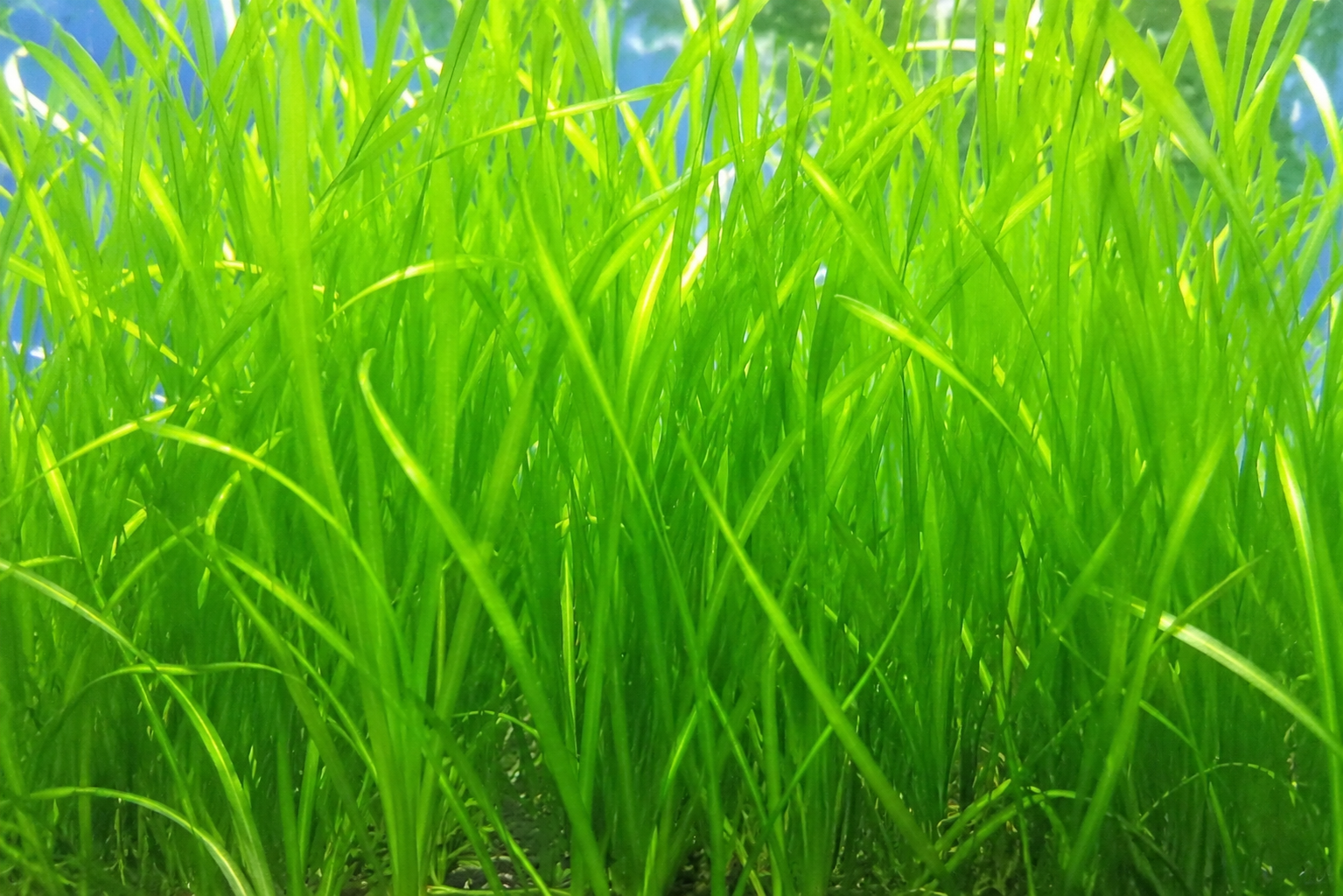

Eleocharis acicularis — Dwarf Hairgrass — is the plant behind the classic green “lawn” look that shows up in nature aquarium layouts everywhere. It’s not actually a grass at all; it’s a sedge, related to spikerush, with the same fine, upright, needle-like blades that create the effect. It’s found across an unusually wide native range — Europe, temperate and subtropical Asia, North America, and parts of northern South America — growing in shallow pond margins and wet meadows.
A Naming Note
Two species get sold under “dwarf hairgrass” and the names get mixed up constantly. Eleocharis parvula is the true dwarf form, staying 2-5cm tall and forming a genuinely low, dense lawn. Eleocharis acicularis grows taller — 10-15cm — and reads more as a soft meadow than a flat carpet. Both are cared for identically, so it rarely matters which one you actually received, but it explains why “dwarf hairgrass” photos online sometimes look noticeably different in height.
How It Grows
Hairgrass spreads through a network of thin runners just beneath the substrate surface, sending up new blades at intervals as it spreads. A single planted clump will, given time, expand outward to cover a meaningfully larger area — this is a genuine carpeting plant, not a “plant in clumps and hope” one.
Light Requirements
This is the plant’s real demand. Under low light, hairgrass grows tall and sparse instead of spreading — the opposite of what you want from a carpet. It needs medium to high light reaching the substrate to trigger the horizontal runner growth that actually fills in a carpet. CO2 isn’t mandatory, but it makes a real, visible difference in fill speed and density — without it, expect a slower, more light-dependent process than with true low-tech carpets like Monte Carlo.
Water Parameters
Given its very wide native range, hairgrass tolerates a broad span: 68–82°F (20–28°C), pH 6.0–7.5, and a range of hardness. A standard weekly 20–25% water change is enough.
Root Feeding
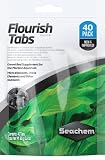
Like most carpeting plants, hairgrass is a consistent root feeder. Seachem Flourish Tabs placed in a grid across the planting area, replaced every 3-4 months, noticeably speed up runner production and keep blades a deep green rather than pale and thin. Seachem Flourish liquid weekly rounds out water column nutrition.
How to Plant
Divide a potted or tissue-culture portion into small clumps of just a few blades each, and press them into fine substrate (1-3mm grain) at roughly 2cm intervals across the foreground. Fine substrate matters here — in coarse gravel, runners can’t maintain the surface contact they need to spread. Push a Seachem Flourish Tab under the planting area at the start. Expect the carpet to look sparse for several weeks before runners begin visibly connecting the clumps.
Trimming
Once established, trim the tops flat with scissors every 2-3 weeks, like mowing a lawn — this is exactly the right mental model. Regular trimming keeps the carpet low and encourages denser lateral growth rather than letting individual blades stretch upward.
Common Problems
- Growing tall instead of carpeting. The single most common issue, and it’s a light problem every time — increase intensity, and consider CO2 if you’re not already running it.
- Slow, patchy fill-in. Usually a root-feeding gap; a missing root tab shows up here as narrow, pale blades that don’t spread.
- Melting after planting. A little dieback in the first couple of weeks is normal, especially with tissue-culture stock adjusting to your specific tank.
Pests
No specific pest issues. Rinse tissue culture or potted stock before planting, as with any new plant.
Dwarf Hairgrass rewards patience and strong light more than almost any other trick — get those two right and the carpet fills in reliably from there. For an easier low-tech alternative, see Monte Carlo or Staurogyne repens, both of which carpet without the same light demands.