Bacopa monnieri has one of the widest natural distributions of any aquarium plant — it grows wild across tropical and subtropical regions on every continent except Antarctica, typically in wet soils, shallow water, and coastal margins. It’s been used for centuries in Ayurvedic medicine; in the aquarium hobby it’s valued for its tidy, structural appearance and almost complete adaptability to different tank conditions.
Distinctive Leaf Structure
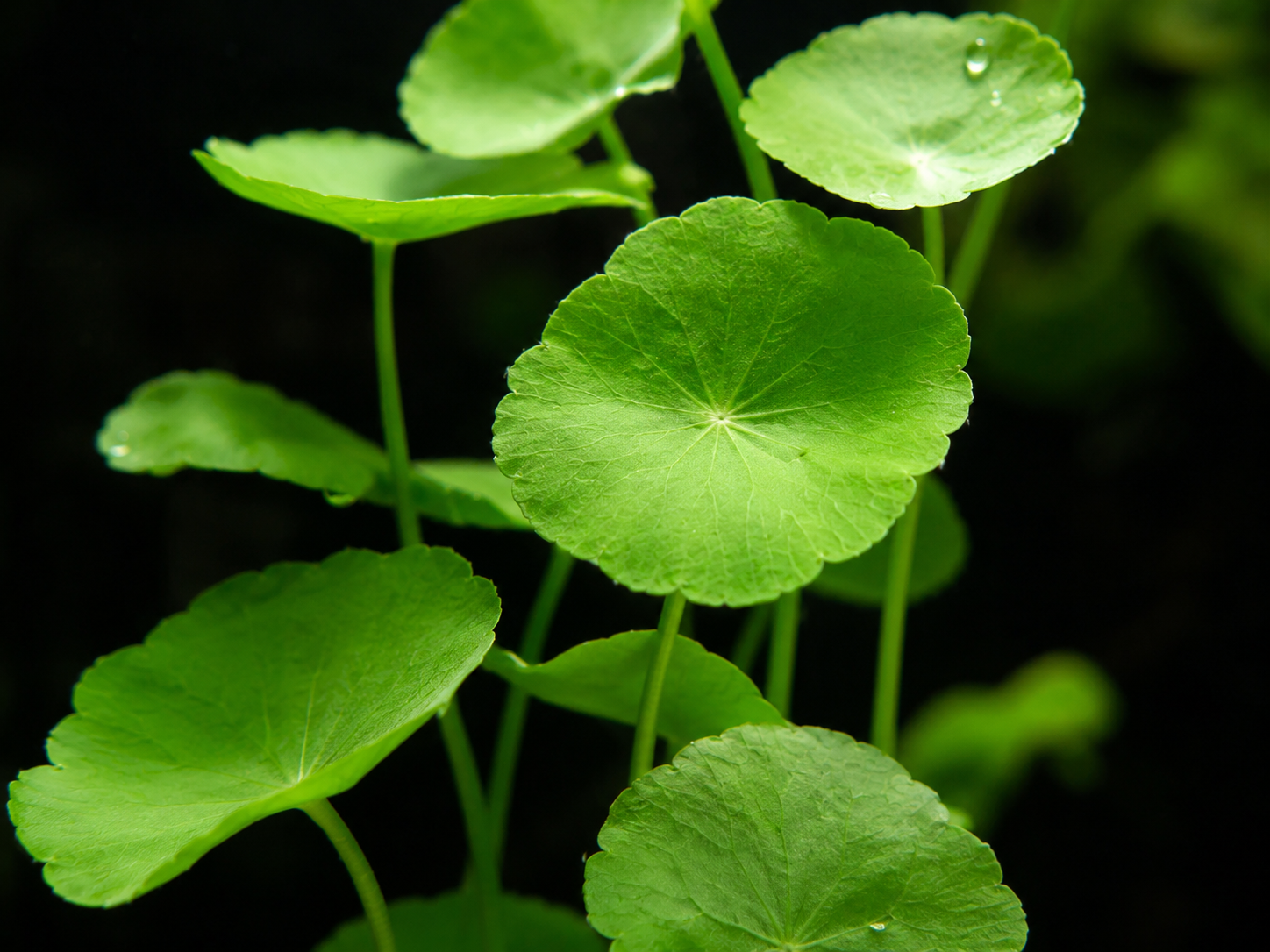
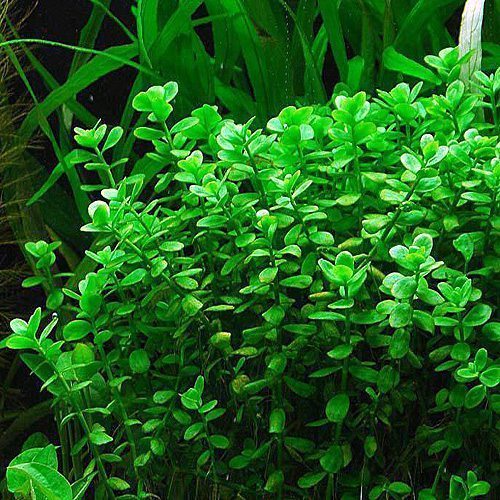
Unlike most stem plants with flat, paired leaves, Bacopa produces thick, succulent-textured leaves that are almost circular — roughly 1–2 cm across — and clasp the central stem. The stems grow upright and stiff, giving the plant a tidier, more structured appearance than flowing stem plants. In a well-planted tank it provides a clean vertical element.
Size and Placement
Typically 10–30 cm — a midground to background plant depending on how actively you trim. In smaller or nano tanks it can occupy the background comfortably. The upright, stiff stems hold their position well in light flow.
Color
Consistently medium to bright green. Under very strong light, leaves may develop a slightly yellowish cast if nutrients don’t keep pace with growth rate. No red or bronze tones — this is a clean, structural green plant.
Water Parameters
Given its worldwide native range, Bacopa tolerates an unusually wide span: 64–86°F (18–30°C), pH 6.0–7.8, and it isn’t picky about hardness at all. A standard weekly 20–25% water change keeps it healthy — this is genuinely one of the least demanding plants on water chemistry in this whole lineup.
Care
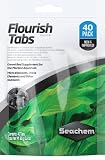
Bacopa is genuinely one of the easiest stem plants to maintain. Seachem Flourish Tabs near the stem base every 3 months prevent the lower-leaf yellowing that can develop in nutrient-poor substrate. Weekly Seachem Flourish liquid keeps growth tips compact and leaves fully sized.
Without CO2 growth is steady but unhurried — usually 2–4 cm per week under moderate light. With CO2 it becomes a notably fast grower.
Trimming
Trim above a node and replant the top cutting. Bacopa branches readily from cut stems, typically producing 2–3 new shoots per cut point. Regular trimming every 3–4 weeks maintains a compact, bushy form.
How to Plant
Strip the lower two leaf pairs from each stem, then push 3–4 cm into the substrate using tweezers. Bacopa has firm, fleshy stems that hold position well — push firmly and they’ll stay. Plant in groups of 3–5 stems spaced 3 cm apart. Because Bacopa grows more slowly than most stem plants, position the group where it won’t be overshadowed quickly by faster-growing neighbors. Push a Seachem Flourish Tab near the stem bases at planting — the extra root nutrition helps accelerate the initial slow establishment phase.
Common Problems
- Slow initial establishment. Bacopa can sit for a couple of weeks looking like it isn’t doing much before growth picks up — this is normal and not a sign of failure.
- Yellowing under strong light. A fertilizing-lag issue rather than disease; step up root tabs and liquid dosing.
- Bare lower stems on old, untrimmed specimens. Cut and replant the top to reset a leggy stem from a clean base.
Pests
No specific pest issues. Rinse and check new stems for hitchhiker snails before adding them to an established tank.