Limnophila sessiliflora, called Asian Ambulia or Dwarf Ambulia, is from Southeast Asia — Bangladesh, India, southern China, and across much of tropical Asia — where it grows in rice paddies, ponds, and slow streams. It’s one of the go-to recommendations for beginners because it genuinely thrives under low light without CO2, grows fast enough to help outcompete algae early in a tank’s life, and looks excellent with its fine, whorled foliage.
Leaf Structure
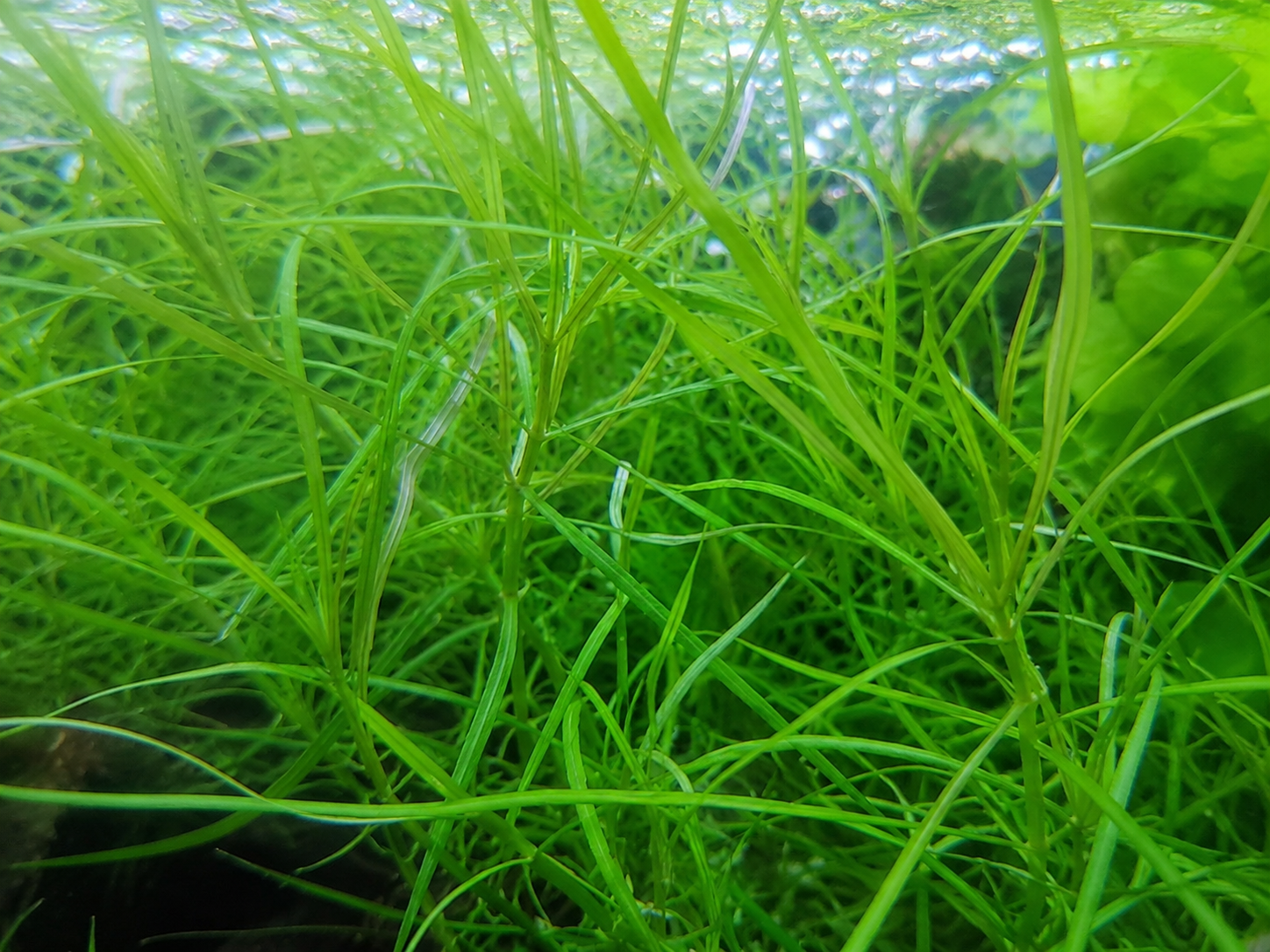
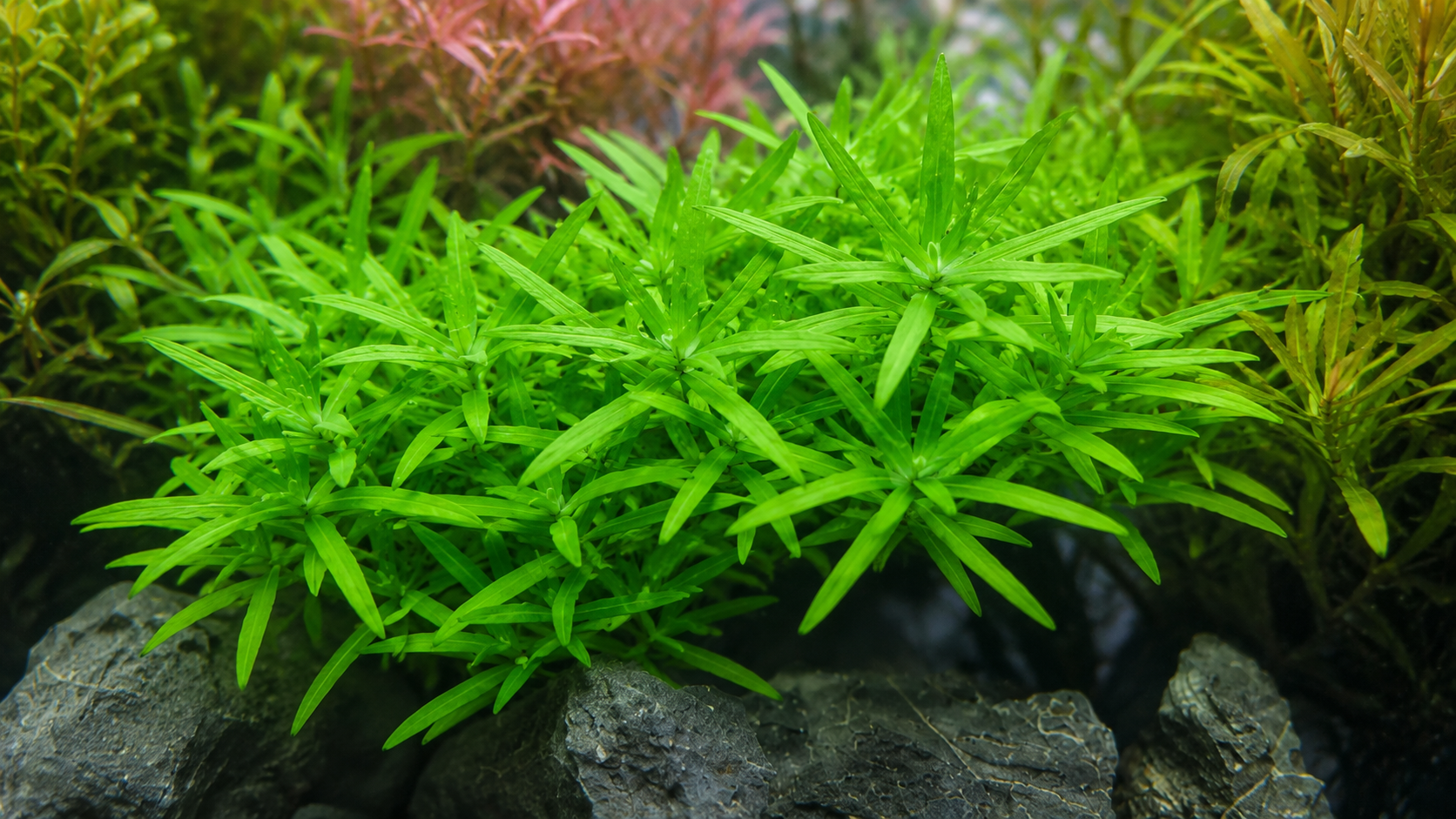
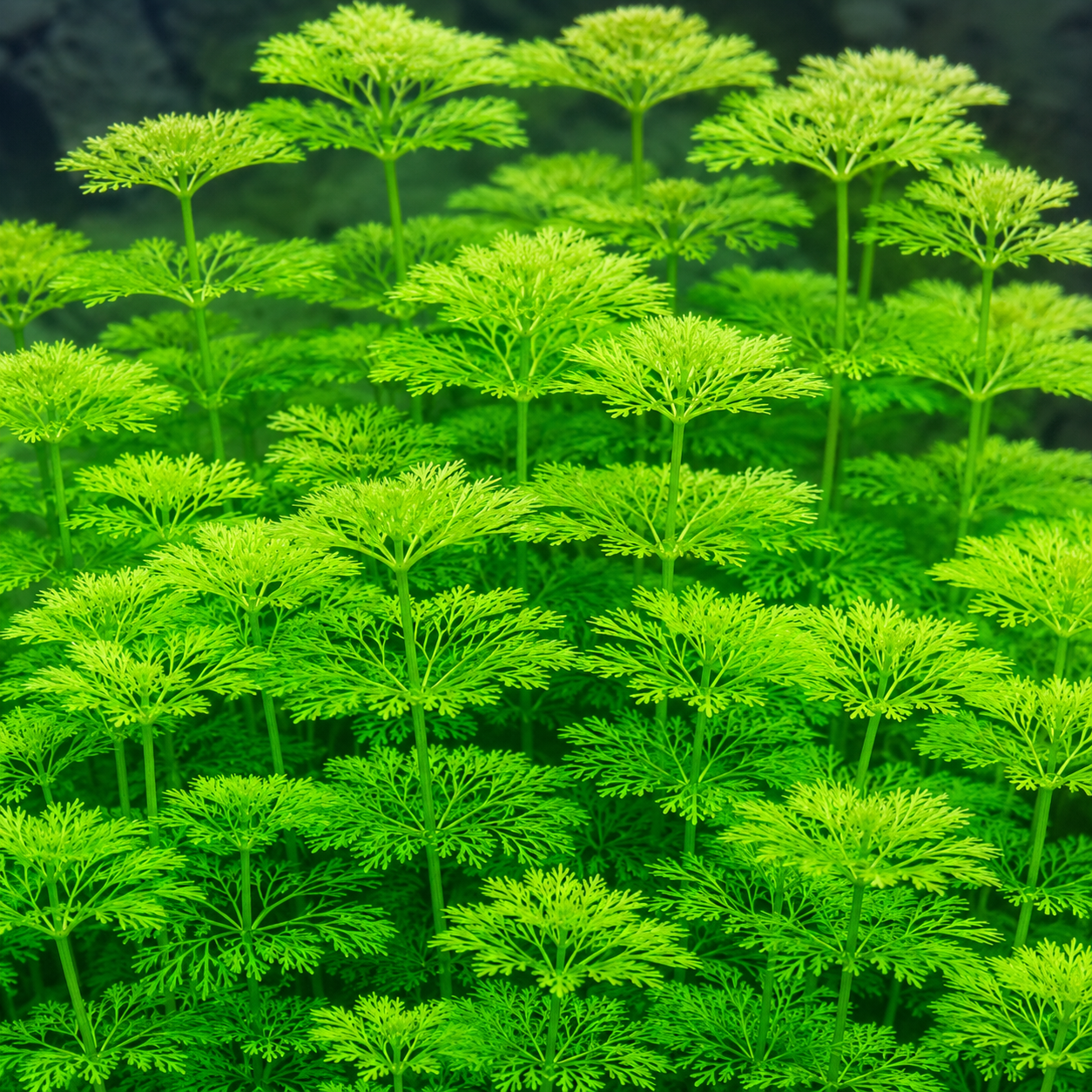
Leaves are produced in whorls of 6–10 fine, needle-like segments radiating out from the central stem — similar to Myriophyllum but with a slightly stiffer, more upright arrangement. Dense clusters look like soft green candles pointing toward the light.
Growth Rate
Fast. Under moderate light and basic fertilization, Limnophila sessiliflora can grow several centimeters per week. This is useful in new tanks where fast growth helps stabilize water chemistry. The tradeoff is regular trimming — expect to prune every 2–3 weeks.
Color
Uniformly bright to medium green. Color does not change significantly with light intensity, though stronger light produces more compact internodes (shorter spaces between whorls), making the plant look denser and more attractive.
Height and Placement
Typically 20–40 cm, used as a background plant. Dense groups of 7–10 stems create a soft, flowing background effect.
Water Parameters
Warm, shallow tropical water suits it best: 72–82°F (22–28°C), pH 6.0–7.5, tolerant of a wide hardness range. A standard weekly 20–25% water change keeps growth steady.
Feeding
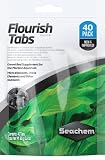
Given its growth rate, consistent fertilization matters. Seachem Flourish Tabs near the base prevent lower whorl loss in nutrient-poor substrates. Seachem Flourish liquid dosed weekly keeps pace with the plant’s nutrient demand. Deficiency in nitrogen shows as yellowing of older whorls at the base.
One Caution: Liquid Carbon Sensitivity
Limnophila can react poorly to moderate-to-heavy doses of glutaraldehyde-based liquid carbon (Seachem Excel, API CO2 Booster) — it’s more tolerant than a true sensitive plant like Vallisneria, but leaves can bleach or thin out under heavy dosing. If you’re using liquid carbon as a spot-treatment for algae elsewhere in the tank, keep it away from dense Limnophila growth.
Trimming and Propagation
Cut stem at any node and replant the top. Original stump will sprout 2–3 new shoots. Very easy to propagate and share — a single bunch quickly becomes many.
How to Plant
Strip the lower two or three leaf whorls from each stem to expose bare nodes, then push 3–4 cm into the substrate using tweezers. Plant in groups of 7–10 stems along the back of the tank, spacing them 3 cm apart. The whorled leaf arrangement means stems planted too close together shade each other’s lower whorls — give them enough room for light to reach the base. Push a Seachem Flourish Tab near each stem cluster at planting to fuel the fast early growth this plant is capable of.
Common Problems
- Bare, dropping lower whorls. The most common issue with fast growers like this one — a root tab and regular trimming both help.
- Liquid carbon damage. Bleached or thinning leaves after dosing Excel-type products nearby — see the caution above.
- Outgrowing the tank quickly. Its fast growth is a feature in a new tank but requires committed trimming once established.
Pests
No specific pest issues. Rinse and check new stems for hitchhiker snails before adding them to an established tank.