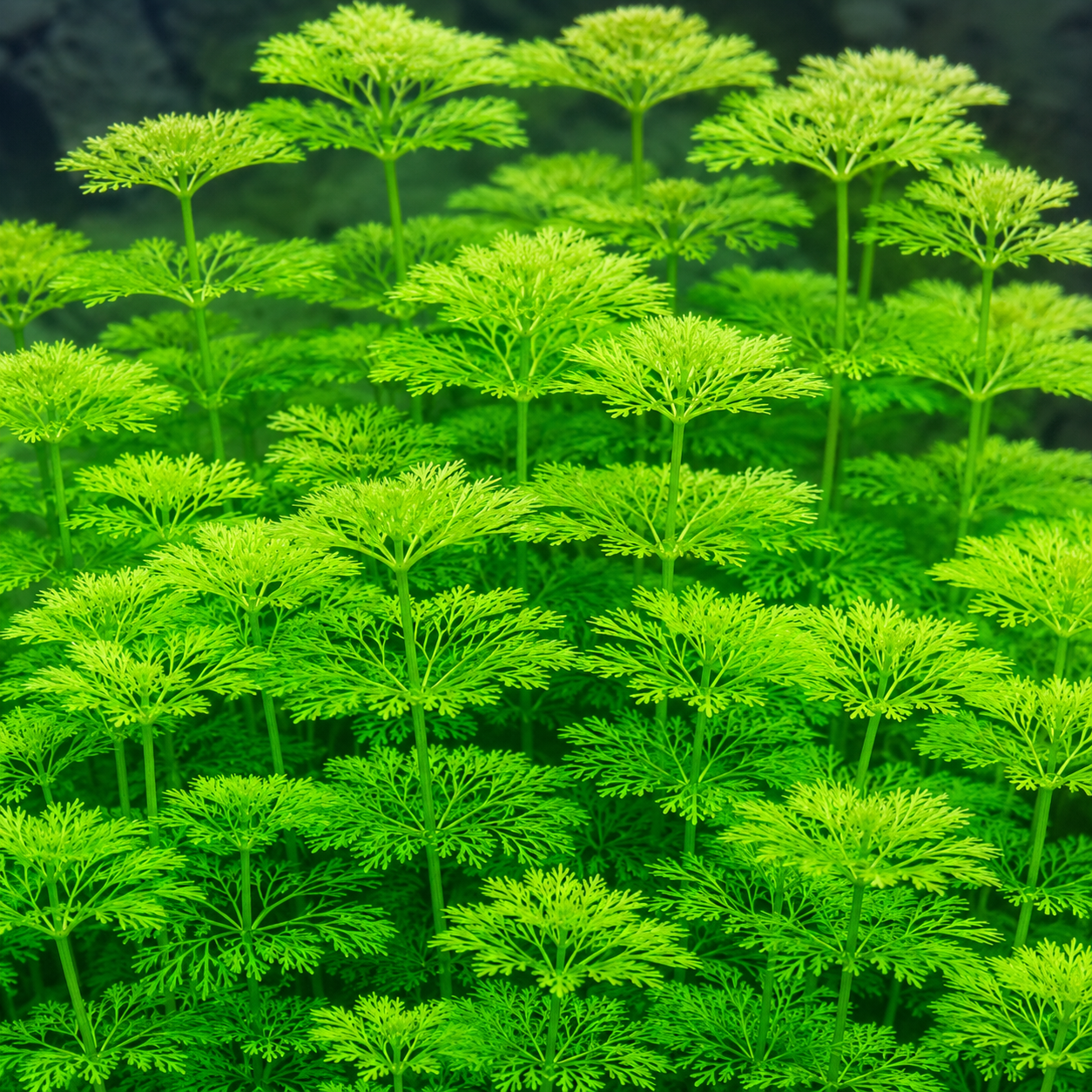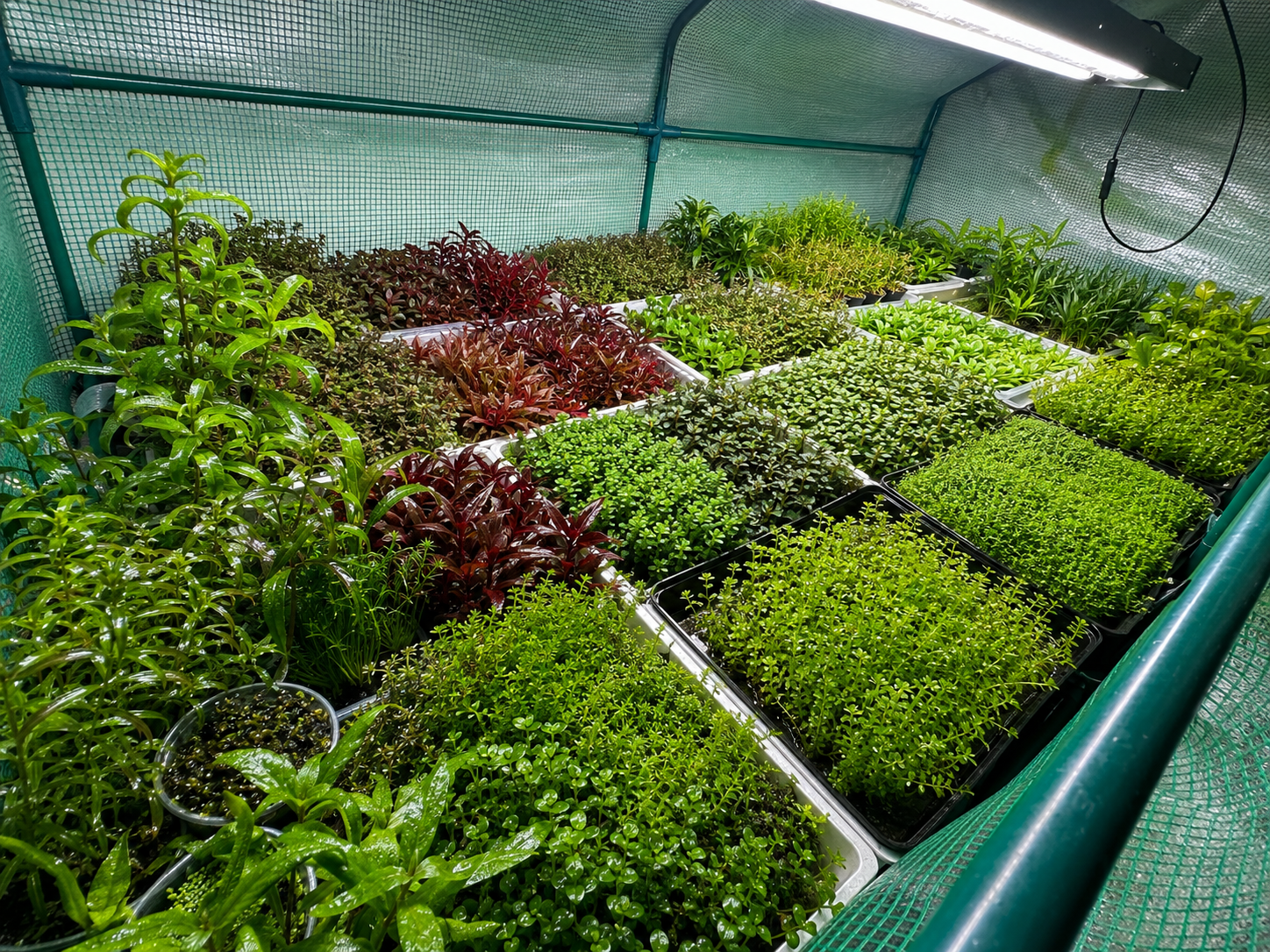

Hygrophila difformis — better known as Water Wisteria — earns its place in the hobby by being one of the fastest-growing and easiest stem plants available, while also having one of the most distinctive leaf shapes. The deeply pinnate, feather-lobed leaves look nothing like typical stem plant foliage, creating a soft, flowing texture that adds real visual interest to the background.
Native to India, Bangladesh, and Myanmar, it grows naturally in shallow, warm, often nutrient-rich water — rice paddies, slow rivers, drainage channels. That natural environment explains why it thrives under a huge range of aquarium conditions.
Leaf Shape Variation
One unusual feature of Water Wisteria: leaf shape changes with conditions. Under low light or when floating, leaves are broader and less deeply cut. Under strong light with roots in substrate, leaves become more finely divided and feathery. The most attractive form emerges when the plant is well-established with roots firmly planted.
Size and Placement
A true background plant reaching 20–50 cm. Dense groups of 5–10 stems along the back glass create a lush, soft-textured wall. The feathery leaves also provide excellent cover for small fish and fry.
Color
Consistently bright to medium green regardless of light level. Water Wisteria doesn’t change color — its appeal is texture and growth rate, not pigmentation.
Water Parameters
Water Wisteria is unusually tolerant even by Hygrophila standards: 70–82°F (21–28°C), pH 6.0–7.8, and it shrugs off both soft and moderately hard water. A standard weekly 20–25% water change is enough, though its fast growth means it also pulls nitrates out of the water quickly — useful if algae is an ongoing fight in your tank.
Feeding
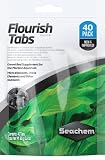
Given its fast growth, Water Wisteria benefits from consistent nutrition. Seachem Flourish Tabs in the substrate prevent the nutrient deficiencies (yellowing, slowed growth) that can develop when fast-growers exhaust available nitrogen and phosphorus. Seachem Flourish liquid weekly keeps the water column supplemented. Even so, it’s forgiving if you miss a week or two.
Planting and Trimming
Strip the lower leaf pairs from each stem and push 3–4 cm into the substrate with stout tweezers. Water Wisteria roots firmly once established, but don’t plant too shallowly — shallow stems will float free in current before roots anchor them. Plant in groups of 5–10 stems along the back wall, spacing them 3–5 cm apart to allow the feathery leaves room to expand horizontally. Push a Seachem Flourish Tab near each planting group right from the start.
Trim aggressively and often — Water Wisteria can reach the surface in a few weeks under good conditions. Cut and replant tops, discard lower bare stems. Replanting trimmed tops near the original plants keeps the group dense and full.
Common Problems
- Leggy, bare-bottomed stems. The single most common issue with this plant simply because it grows so fast — trim before it gets tall and leggy, not after.
- Melting after purchase. Some leaf drop in the first one to two weeks is normal, particularly on emersed-grown stock transitioning to fully submerged growth. New leaves that follow will match your tank’s conditions.
- Nitrogen deficiency. Shows up as yellowing on older, lower leaves first. Given how fast this plant grows, it can outpace a light fertilizing routine — bump up dosing frequency if you see this.
Pests
No specific pest problems. As always, rinse and check new stems for hitchhiker snails before adding them to an established tank.