
New planted-tank keepers usually end up owning some combination of a liquid test kit, a handful of pH strips, and eventually a TDS pen, without ever being told clearly what each one is actually for. They measure different things, and none of them is a strict replacement for another.
pH: how acidic or basic the water is
pH is the most familiar number and the one every beginner test kit includes. It tells you where your water sits on the acid-to-base scale, which matters directly for livestock safety — most freshwater fish and shrimp tolerate a fairly wide range, but sudden swings in pH are far more dangerous than a stable number on either end. See our guide to why heavily planted tanks trend acidic over time for why this number tends to drift downward in a mature tank without you doing anything.
GH: what’s actually dissolved in the water
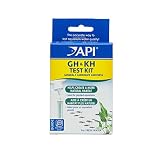
General Hardness specifically measures dissolved calcium and magnesium — the minerals plants consume as nutrients and snails rely on for shell health. A GH test (usually a liquid drop-count kit) tells you a specific, useful number: how much of these two minerals is actually present. This matters for anyone dosing fertilizer, keeping shrimp (which are notably sensitive to GH swings), or trying to understand why a tank’s water has “gone soft” over months of heavy planting.
TDS: a fast, cheap proxy — but not the same thing
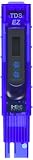
A TDS (Total Dissolved Solids) meter measures the overall electrical conductivity of the water and converts it into a single number representing everything dissolved in it — minerals, yes, but also organic compounds, trace fertilizers, and anything else conductive. It’s fast, cheap, and requires no reagents or waiting time, which is why a lot of experienced keepers reach for one daily instead of running a full liquid test kit every time.
The tradeoff: TDS doesn’t tell you what’s dissolved, only how much. Two tanks can read the same TDS number with completely different actual GH and pH, because TDS can’t distinguish minerals from other dissolved material. It’s an excellent quick proxy for “has anything changed since yesterday” — especially useful if you’re mixing RO water with a remineralizer and want a fast consistency check — but it’s not a substitute for actually knowing your GH or pH when either one specifically matters.
Which one should you actually buy first?
- Just starting out with a low-tech, forgiving plant list? A basic pH test (strips or a simple liquid kit) is enough to confirm nothing is wildly out of range. You likely don’t need GH or TDS yet.
- Keeping shrimp, or noticing plants melt after water changes? Add a GH/KH liquid test kit — this is the number that actually explains both situations, covered in our GH and pH planted tank guide.
- Running RO water, remineralizing, or just want a fast daily check without reagents? A TDS meter is the tool for that — cheap, instant, and reusable indefinitely with no consumables. Many experienced keepers treat it as their everyday tool and save the full liquid GH/KH/pH kit for periodic deeper checks.
The practical answer
Most tanks don’t need all three at once. A cheap TDS meter is the best general-purpose tool for quick, frequent checks once you already understand your baseline numbers, while a proper GH/KH test kit is what you reach for the first time you’re actually trying to diagnose something — melting plants, a struggling shrimp colony, or genuine curiosity about why your water “feels different” than it used to.