Buying plants online used to feel like a gamble — you’re trusting a photo and a shipping box with something alive. It’s genuinely reliable now, but the gap between a good seller and a bad one is enormous, and the difference usually isn’t visible until the box is already at your door. Here’s what actually separates the two.
Local Store vs. Online: Be Honest About the Tradeoff
A local fish store lets you inspect the actual plant before it’s yours and skip shipping entirely — real advantages, especially for a beginner’s first few plants. The tradeoff is selection: most stores stock a fraction of what’s available from specialized online growers, and species accuracy at big-box pet stores in particular is notoriously inconsistent. For common, easy plants, either works fine. For anything specific — a particular cultivar, a less common species — online is usually the only realistic path.
The Single Biggest Quality Signal: Emersed vs. Submersed
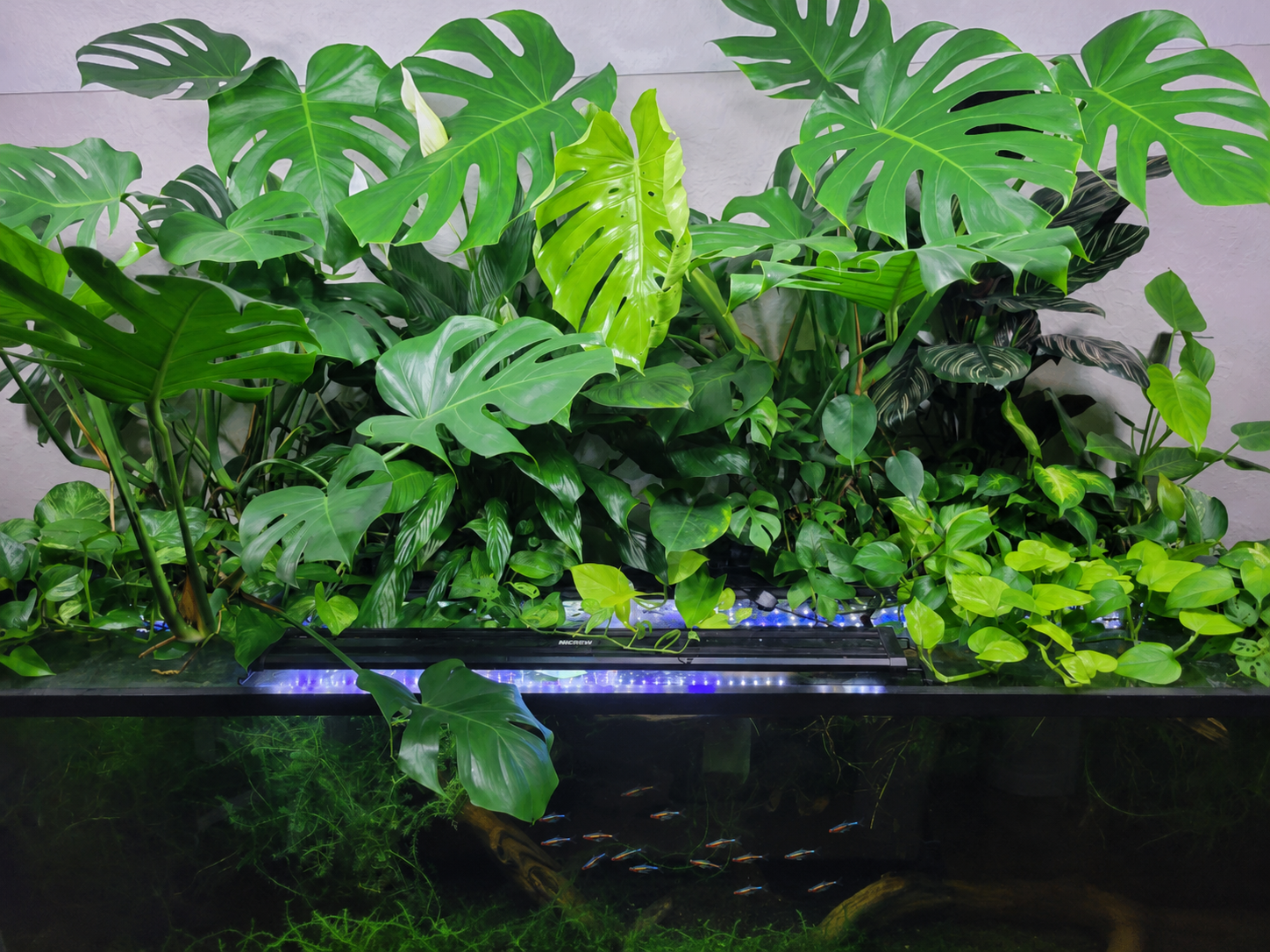
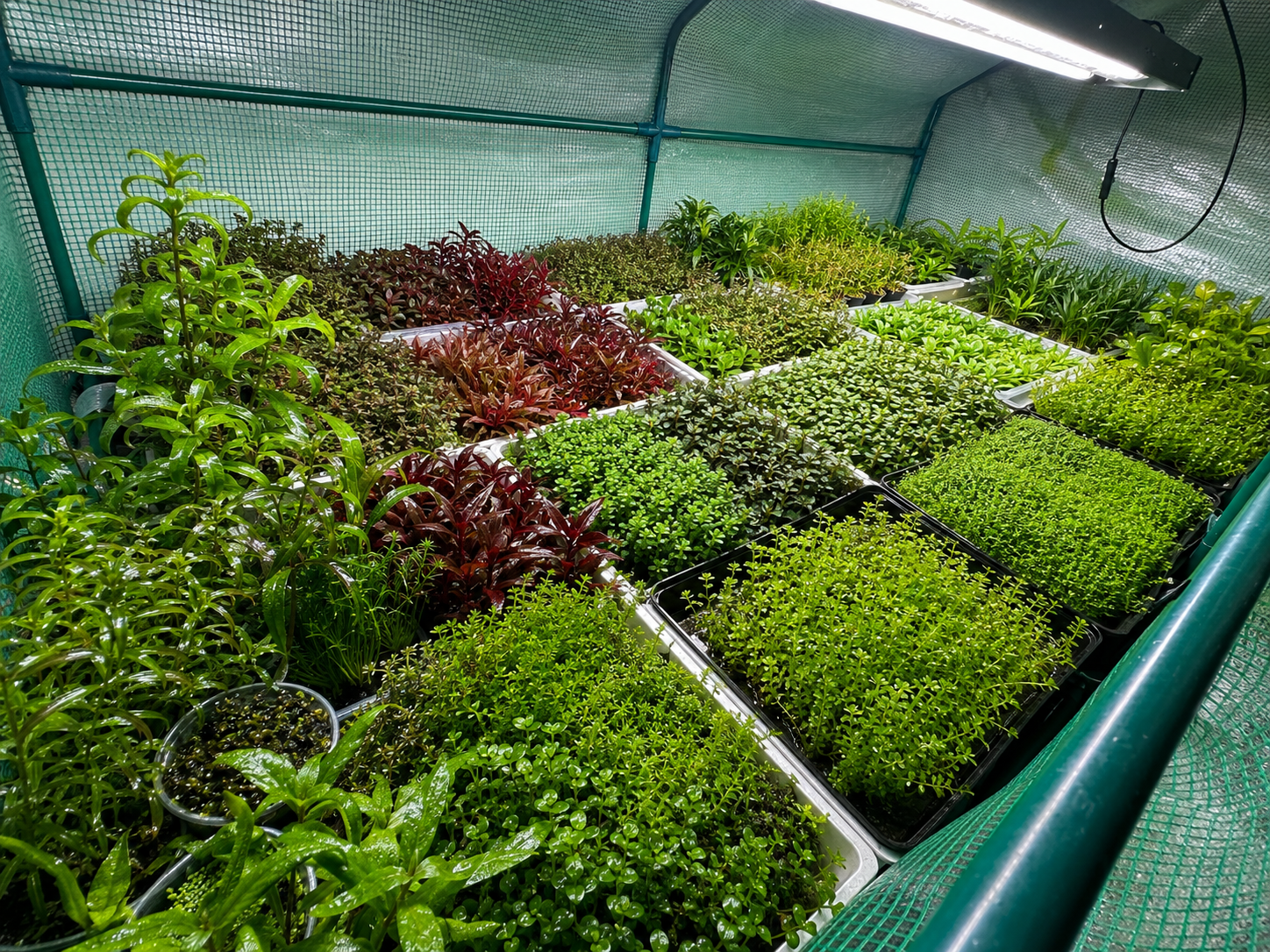
This is the one factor that predicts more about your experience than anything else on a listing page. Emersed-grown plants are cultivated above the waterline in high humidity, the way many aquatic plants naturally grow at the water’s edge in the wild. They ship slightly less “lush” looking than submerged plants, but they arrive genuinely clean — snails, snail eggs, algae, and duckweed can’t establish on a plant that’s never touched aquarium water. Submersed (tank-grown) plants look fuller on arrival but come from an actual aquarium system, which means whatever else was living in that system has a real chance of hitching a ride into yours.
If a listing doesn’t say which method was used, that’s worth asking about directly before you buy — it’s the difference between a plant and a plant plus an unplanned pest problem.
What a Good Listing Actually Shows You
- Real photos of the seller’s own stock, not generic stock photography pulled from elsewhere. If every listing photo looks identical to what fifty other sellers use, you’re not seeing what you’ll actually receive.
- A clear species name, ideally including the scientific name. Common names overlap constantly in this hobby — “Amazon Sword” alone covers at least two distinct species — and a seller who only ever uses vague common names is more likely to ship you something mislabeled.
- A stated DOA or guarantee policy. Plants occasionally arrive stressed or damaged in transit regardless of how well they’re grown; a seller with no stated policy for that scenario is telling you something about how they’ll handle it when it happens.
- Realistic shipping expectations, especially in extreme weather — a seller who ships bare-root plants across the country in a heat wave with no insulation or heat pack is setting the order up to fail before it leaves their hands.
Red Flags Worth Walking Away From
- No photos of actual grown stock, only stock/catalog images.
- Prices dramatically below every other seller for the same species with no explanation (smaller plants, different grade, or a mislabeling risk).
- No mention of pest prevention or growing method at all.
- No return or DOA policy stated anywhere.
- Reviews that are either nonexistent or overwhelmingly about shipping problems.
After the Plants Arrive
However careful the seller was, plants go through a transition period after shipping — some leaf melt or yellowing in the first one to two weeks is normal, not a sign you were sold a bad plant. See acclimating new aquarium plants for what’s expected versus what’s actually a problem, and how to acclimate them properly rather than just dropping them straight into the tank.
Where We Fit Into This
We grow everything we sell emersed, specifically because of the pest-free advantage described above — no snails, no algae, no duckweed hitchhikers, ever. Every order ships with a DOA guarantee, and every listing photo is our own stock, not a stock image. Whether you buy from us or somewhere else, the standards above are what to actually check before you check out.