This is part of our full algae identification and treatment series — start there if you’re not sure which algae you’re actually looking at.
What it looks like
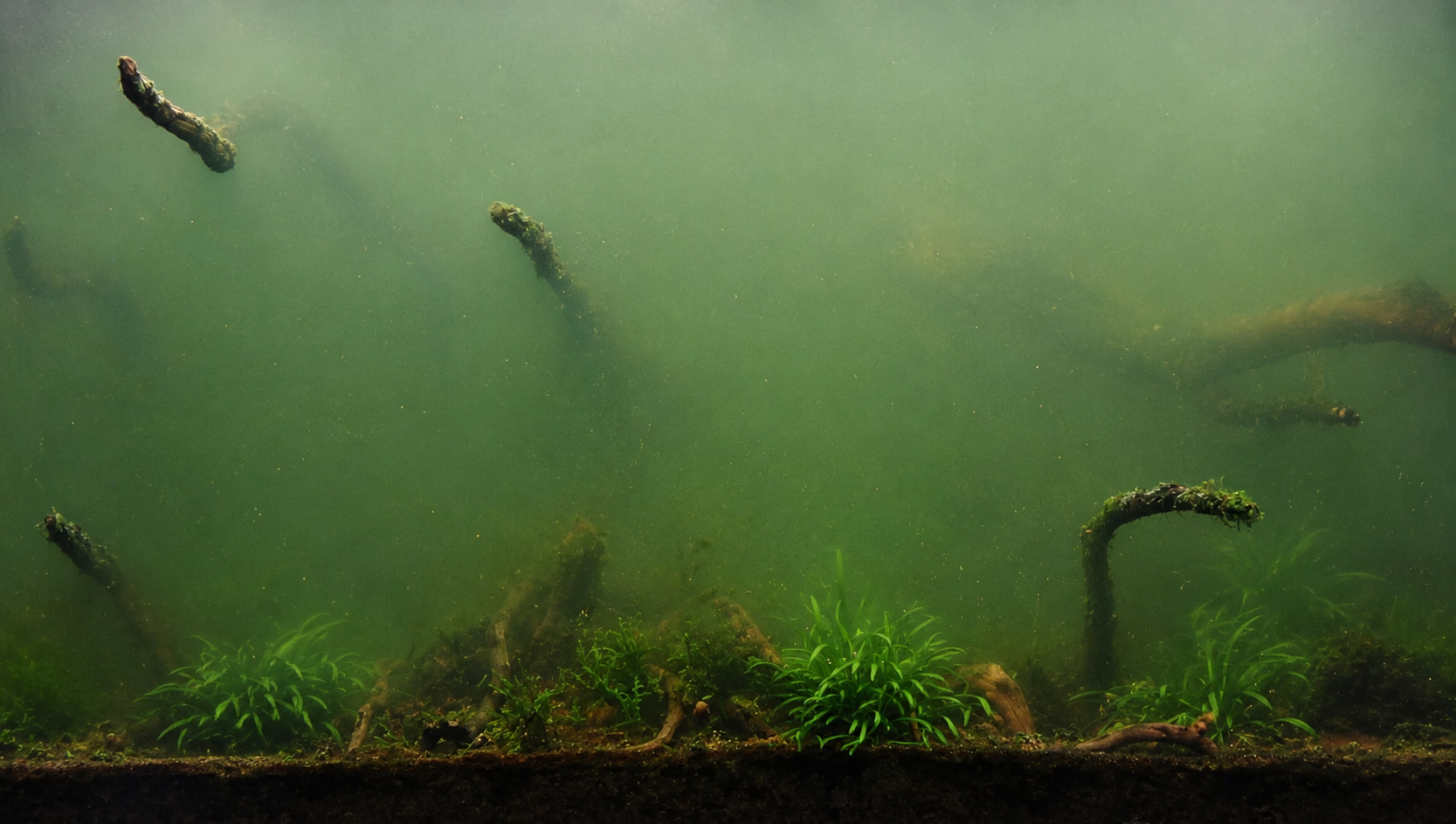
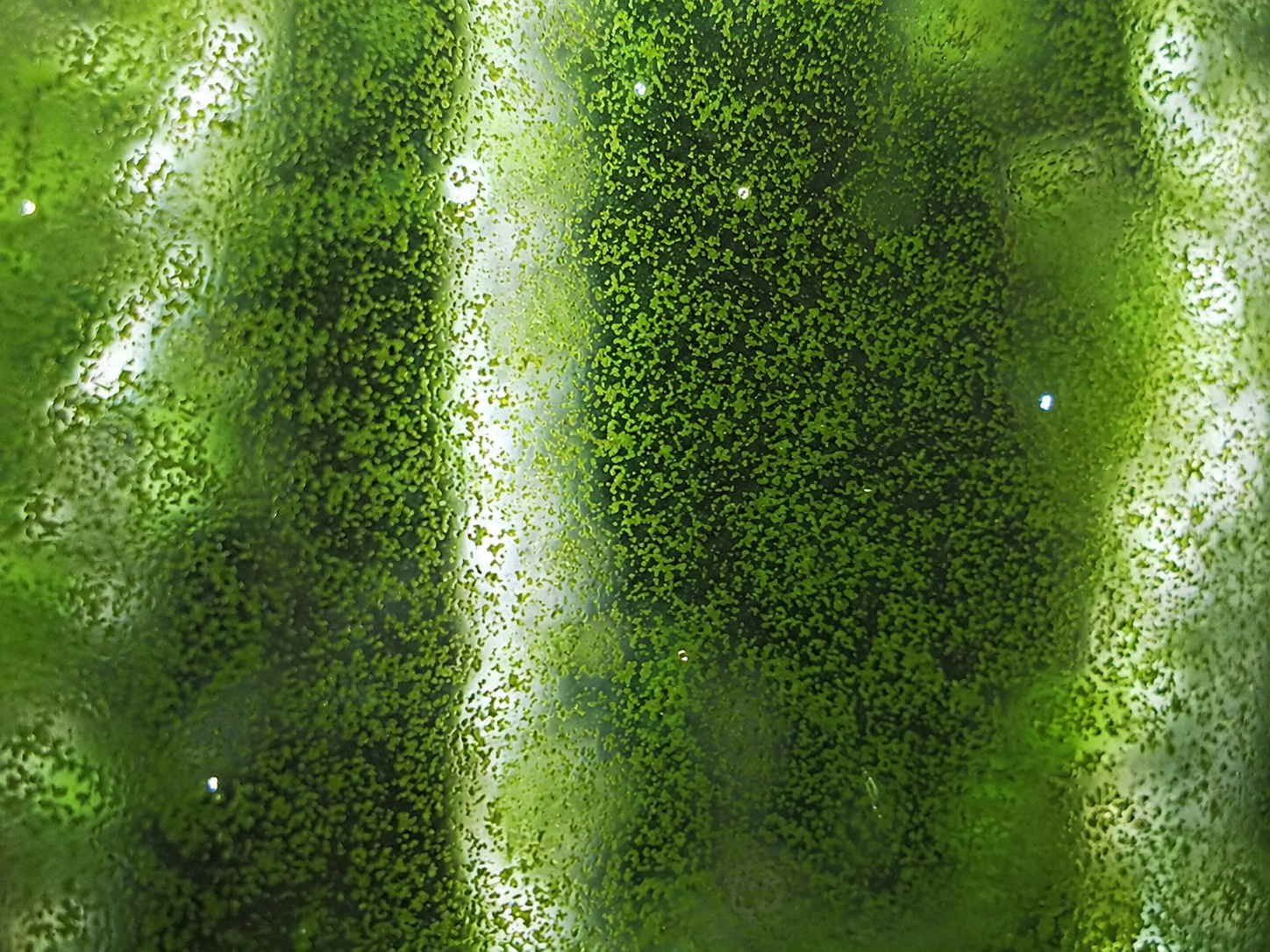
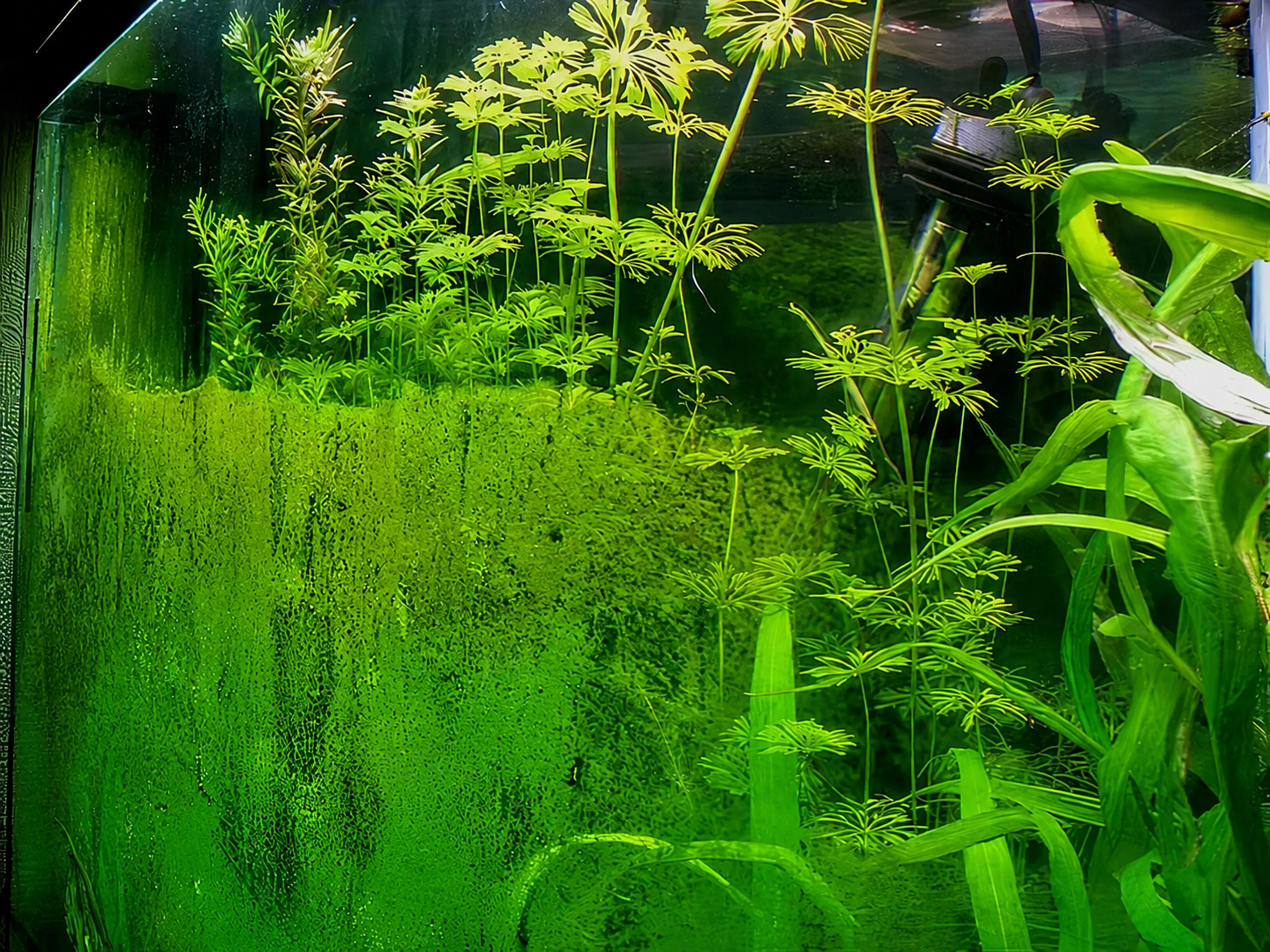
A fine, even, green-gray dusting across the glass — almost like the glass was lightly spray-painted. It wipes off with a fingertip far more easily than any other algae on this list, and disturbing it clouds the water with a faint green haze that settles within an hour or two.
Why it happens
Green Dust Algae (GDA) is overwhelmingly a new-tank problem. It follows a life cycle: free-floating spores settle on the glass, form a thin colony, mature over roughly two to three weeks, and then release a fresh batch of spores back into the water — which promptly resettles and starts the cycle again. A new tank with fresh light and nutrients but no established plant mass yet to compete for those resources is the perfect environment for that cycle to repeat indefinitely.
How to clear it
This is the one algae on this list where the “natural” fix is genuinely counterintuitive: stop wiping it off.
- Let one full cycle complete. Leave the front glass alone (clean the other panes if you want visibility) for about three weeks and let the colony mature fully rather than disturbing it repeatedly, which just resets the clock.
- After maturity, do a full blackout or heavy manual removal. Once the colony has matured and is about to release spores, a 3–4 day blackout (towel over the tank, no light at all) followed by a thorough glass scrape and large water change interrupts the cycle before it repeats.
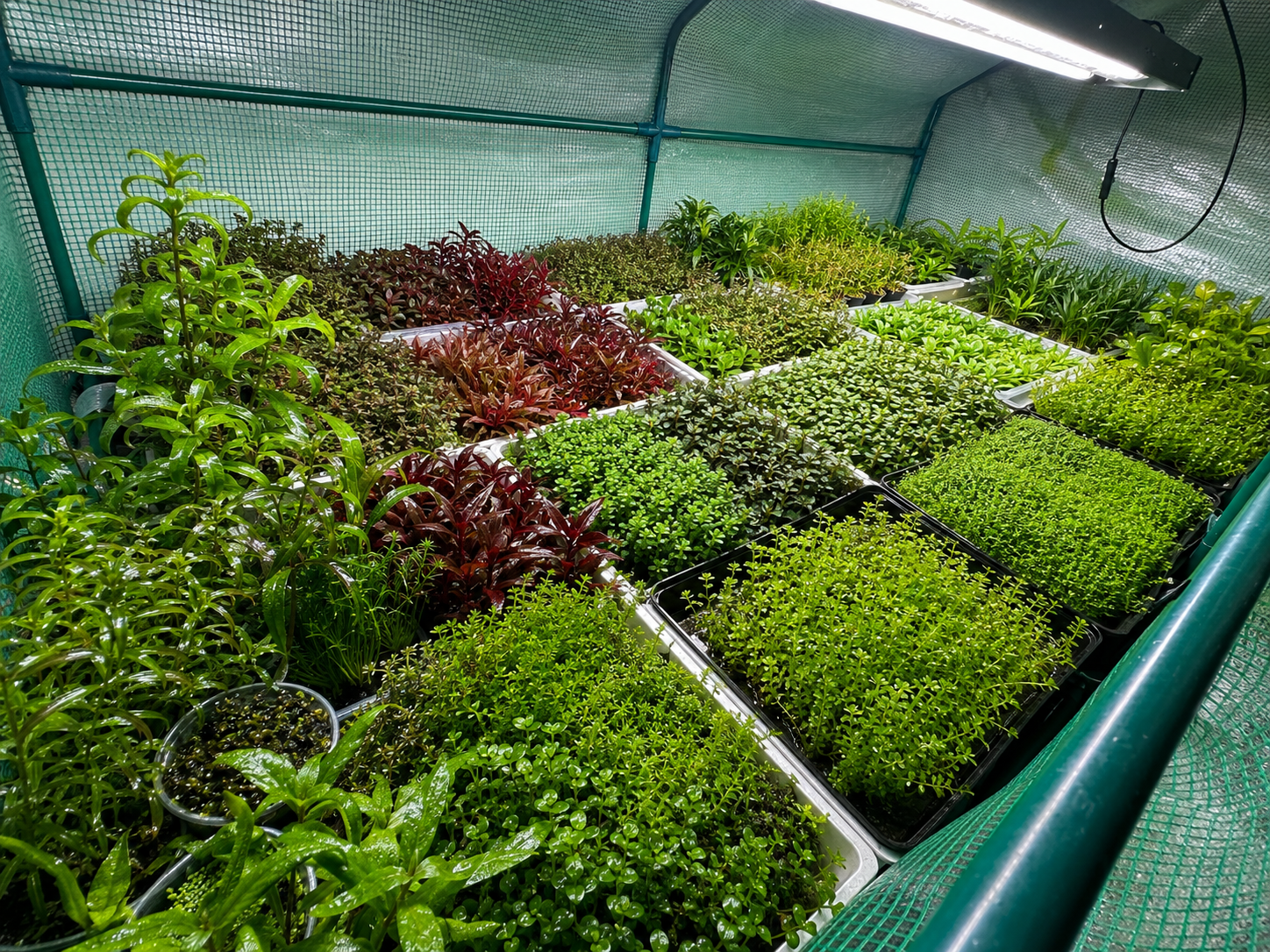
- Get plants established fast. GDA fades permanently once plant mass is dense enough to absorb the nutrients it depends on — this is the real long-term fix, not the blackout itself.
Unlike most algae on this list, GDA is self-limiting — it doesn’t return once a tank is established and densely planted, and it rarely needs ongoing management the way GSA or BBA can.