This is part of our full algae identification and treatment series — start there if you’re not sure which algae you’re actually looking at.
What it looks like
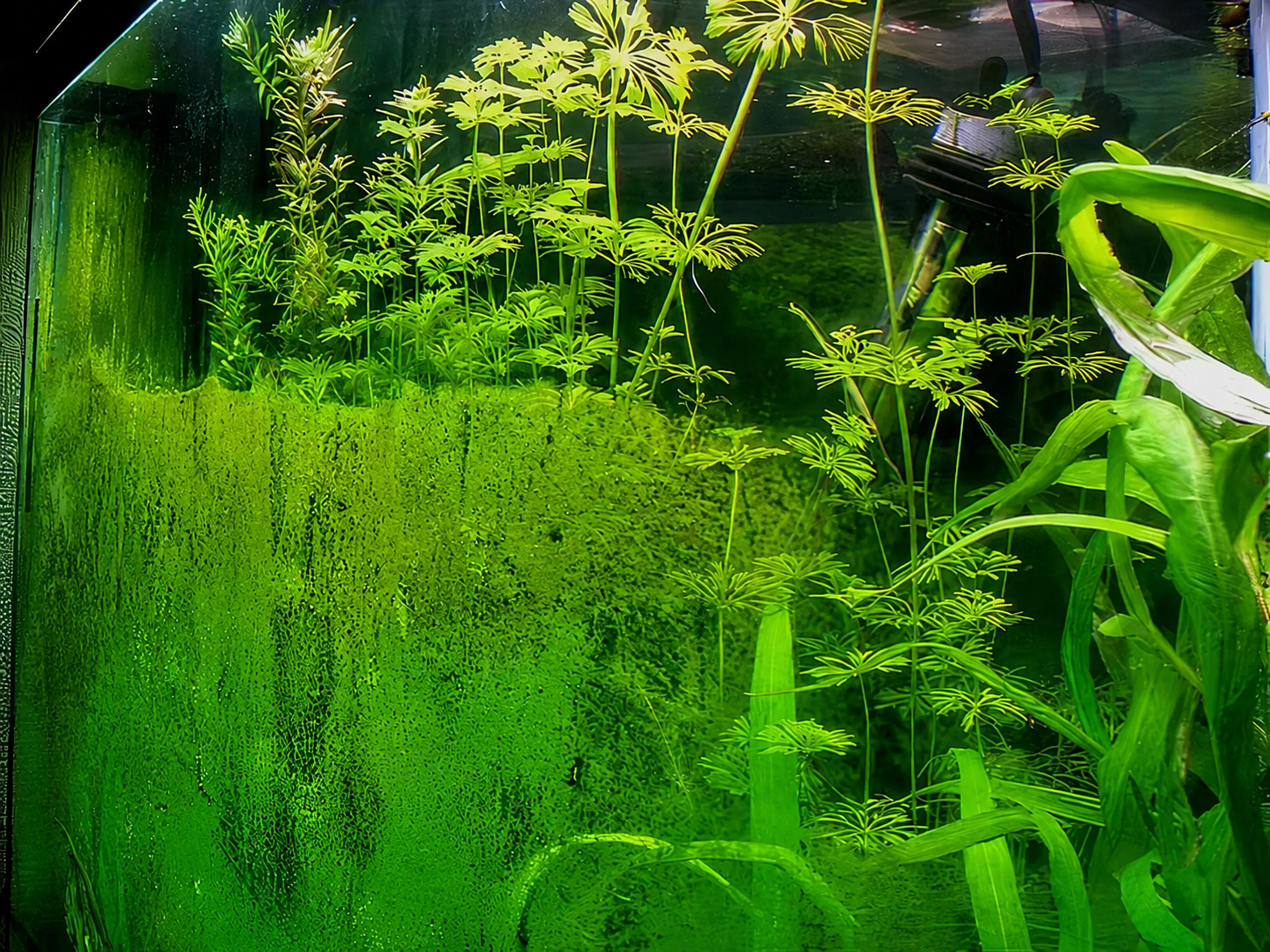
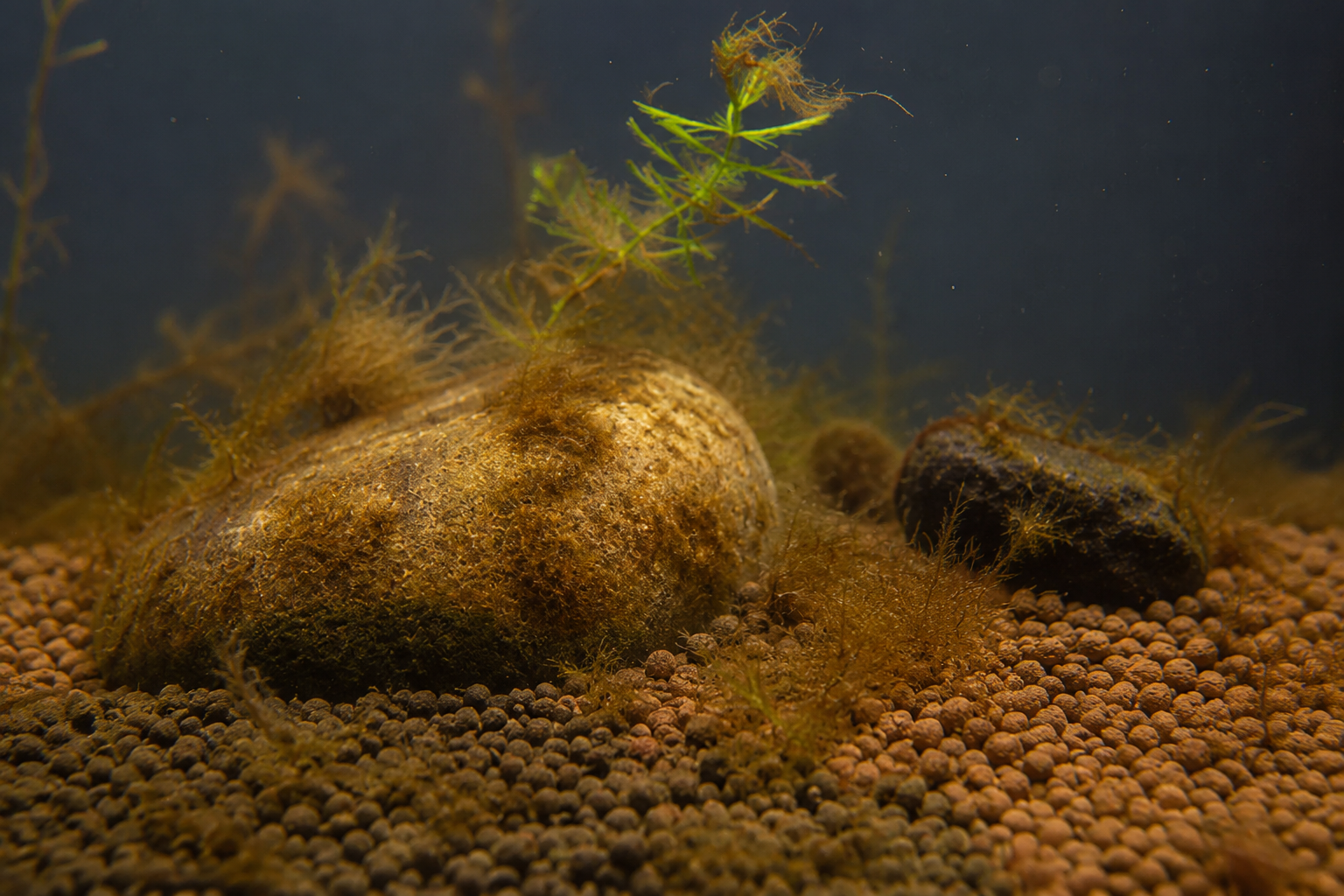
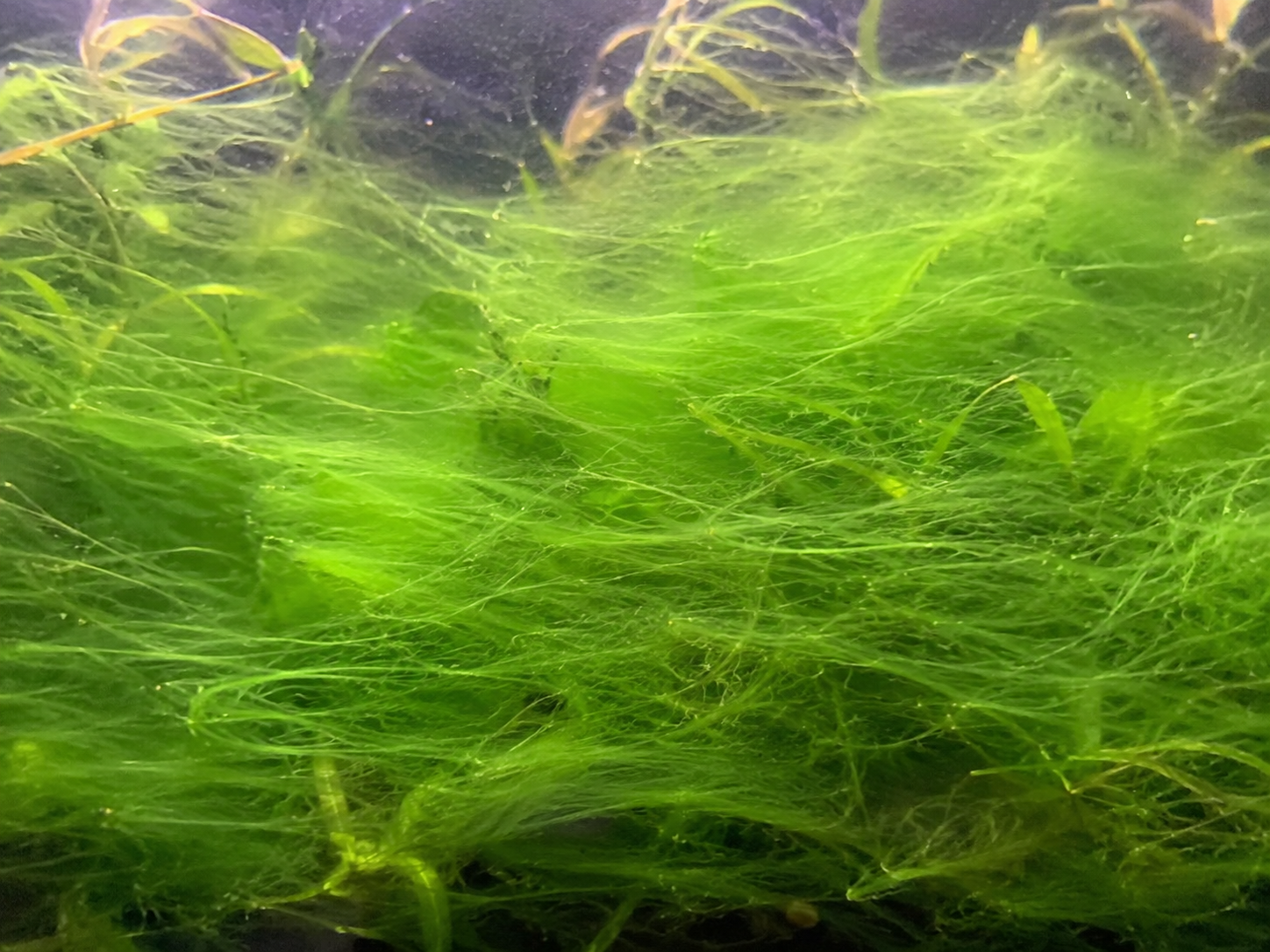
Long, fine, green threads — sometimes a few centimeters, sometimes long enough to trail visibly in the current — tangled through stem plants, caught on hardscape edges, or drifting loose in a mat. It’s soft rather than stiff (the trait that separates it from staghorn algae) and pulls away in strands rather than crumbling.
Why it happens
Hair algae shows up when nutrients — usually nitrate and phosphate — are running in excess relative to what your plants are using, combined with decent light. It’s especially common right after adding new plants or hardscape, since hair algae spores hitchhike easily and find an immediate foothold if the tank already has surplus nutrients waiting. A tank that’s overstocked, overfed, or under-planted relative to its light intensity is the classic setup for a hair algae outbreak.
How to clear it
- Remove it by hand first. Twirl strands around a toothbrush or your fingers and pull — physical removal is genuinely effective here and immediately reduces the algae’s ability to spread by fragmentation.
- Add algae-eating shrimp. Amano shrimp in particular are well known for grazing hair algae aggressively and are a mainstay solution in the hobby for exactly this problem.
- Increase plant mass, especially fast growers and floaters, so the surplus nutrients get consumed by something you actually want in the tank. Guppy Grass and other fast stems are particularly good at this.
- Check your feeding and dosing. If hair algae keeps returning after manual removal, the underlying nutrient surplus hasn’t been addressed — cut back feeding or fertilizer dosing until plant growth and algae growth are back in balance.
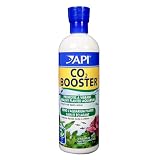
- Spot-treat with liquid carbon. Turn off the filter, pipette liquid carbon (like API CO2 Booster) directly onto the algae clumps, let it sit for several minutes to an hour, then turn the filter back on. Glutaraldehyde-based products like this are directly toxic to algae on contact — this isn’t a fertilizer trick, it’s a targeted algaecide.
A caution before you dose: glutaraldehyde is toxic to some plant tissue too, not just algae. Vallisneria is especially sensitive and can melt from even light exposure (see our Vallisneria Americana guide), and Anacharis, Riccia fluitans, and several fine mosses react badly as well. If any of these share the tank, spot-treat away from them rather than dosing the whole tank.
Hair algae responds faster to combined manual removal and shrimp than almost any other type on this list — most tanks see visible improvement within one to two weeks of consistent effort.