This is part of our full algae identification and treatment series — start there if you’re not sure which algae you’re actually looking at.
What it looks like
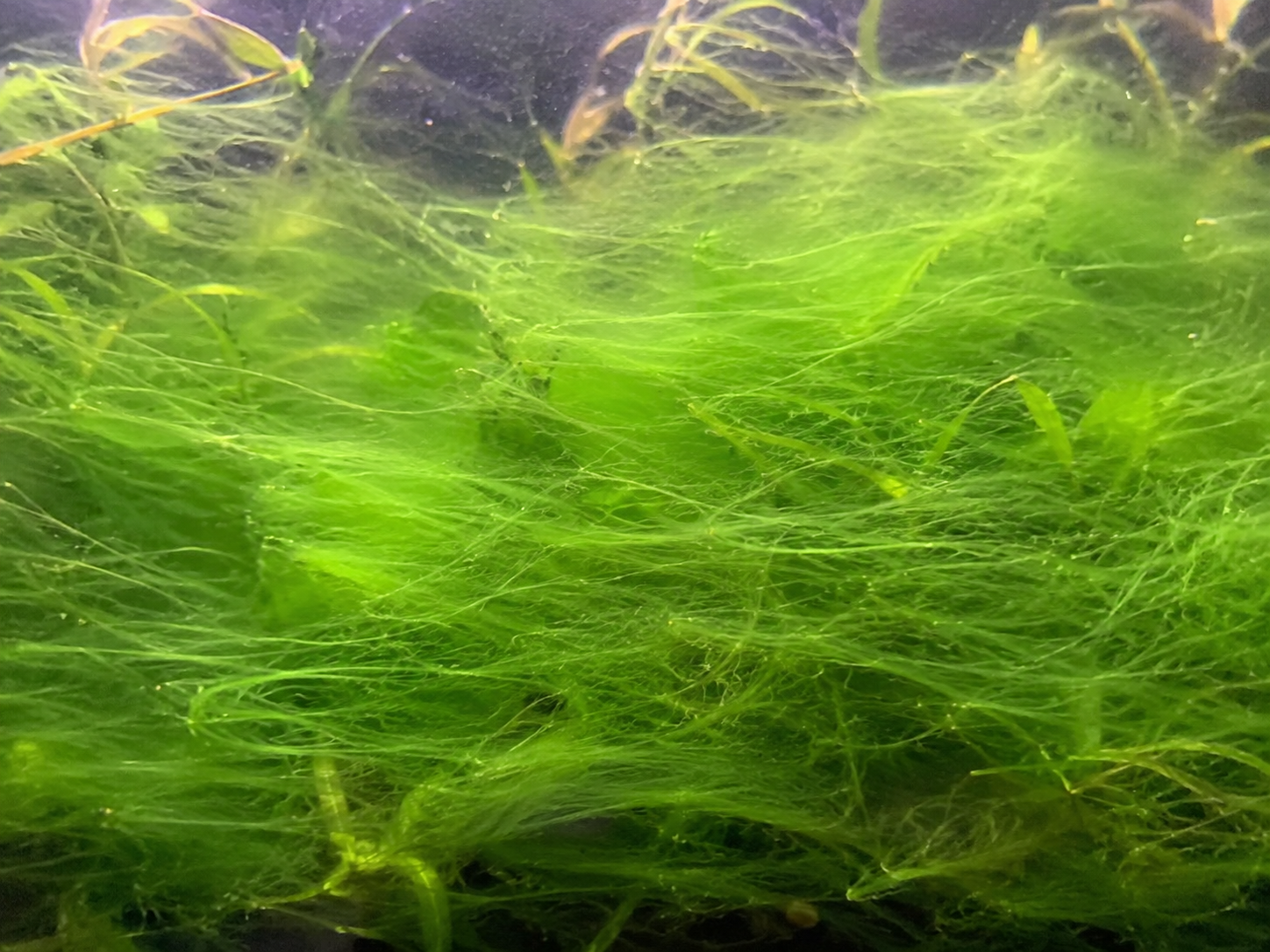
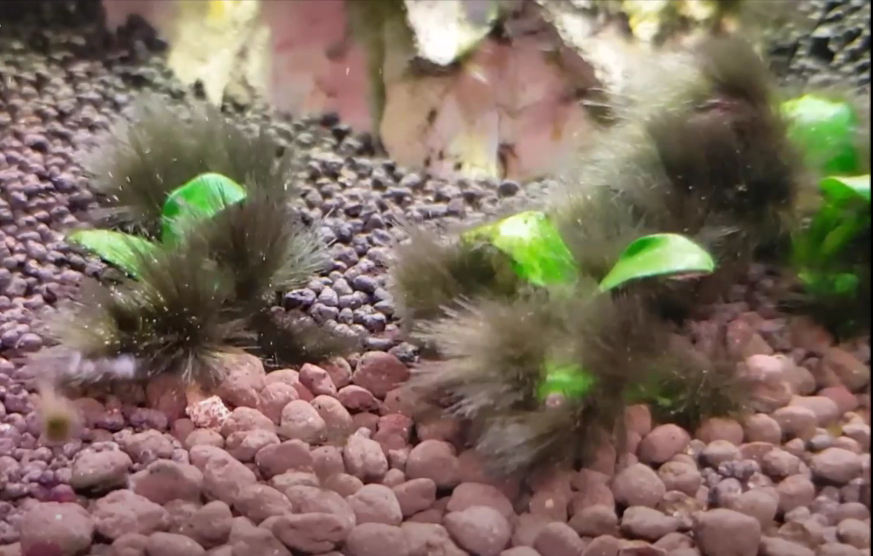
Stiff, gray-green to almost black tufts that branch out like tiny antlers — hence the name. Unlike hair algae, staghorn doesn’t sway freely in the current; it’s rigid and stays put once attached. It shows up most often on leaf edges of slow growers like Java Fern and Anubias, on equipment, and on filter outflow where flow is inconsistent.
Why it happens
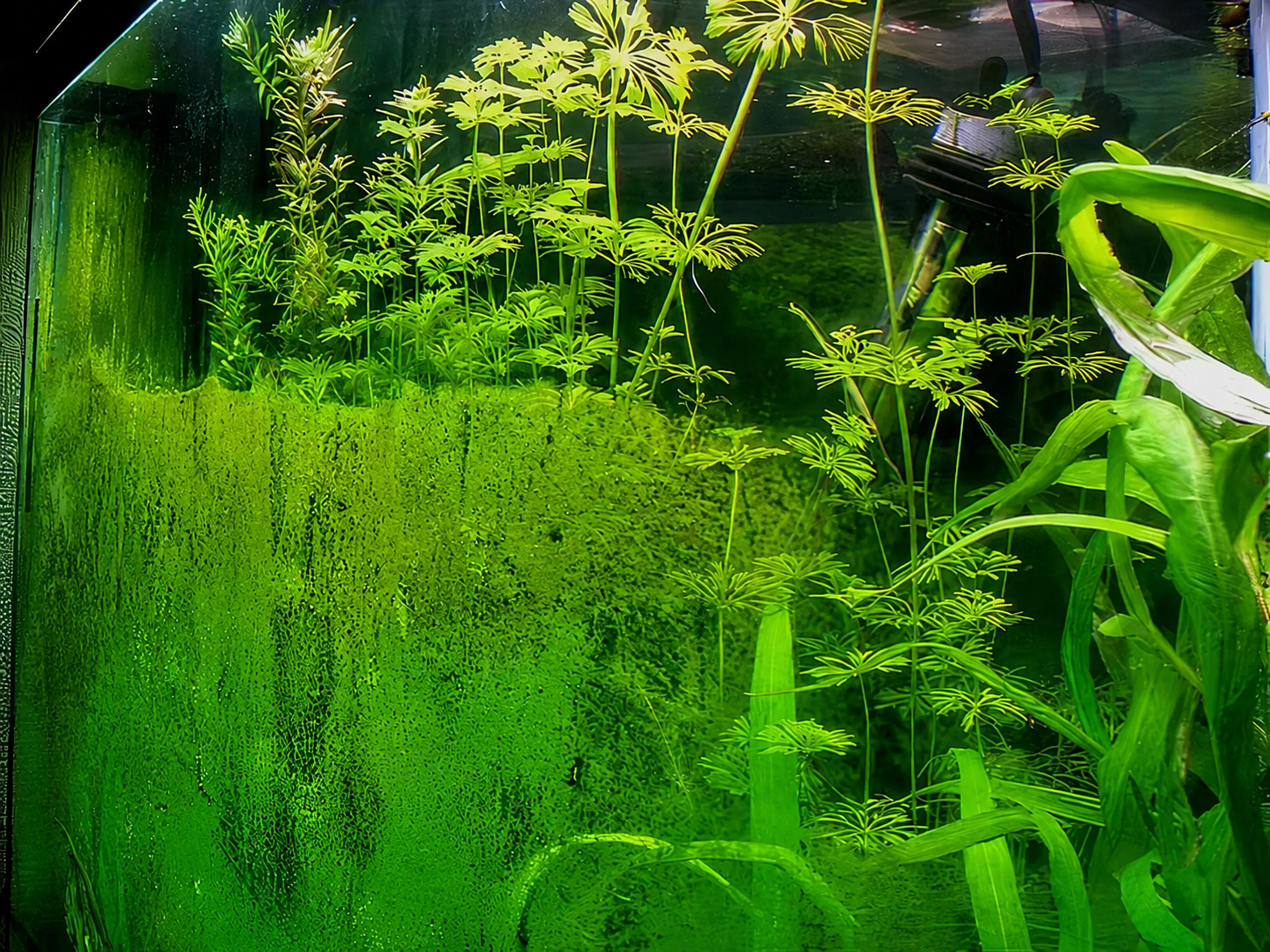
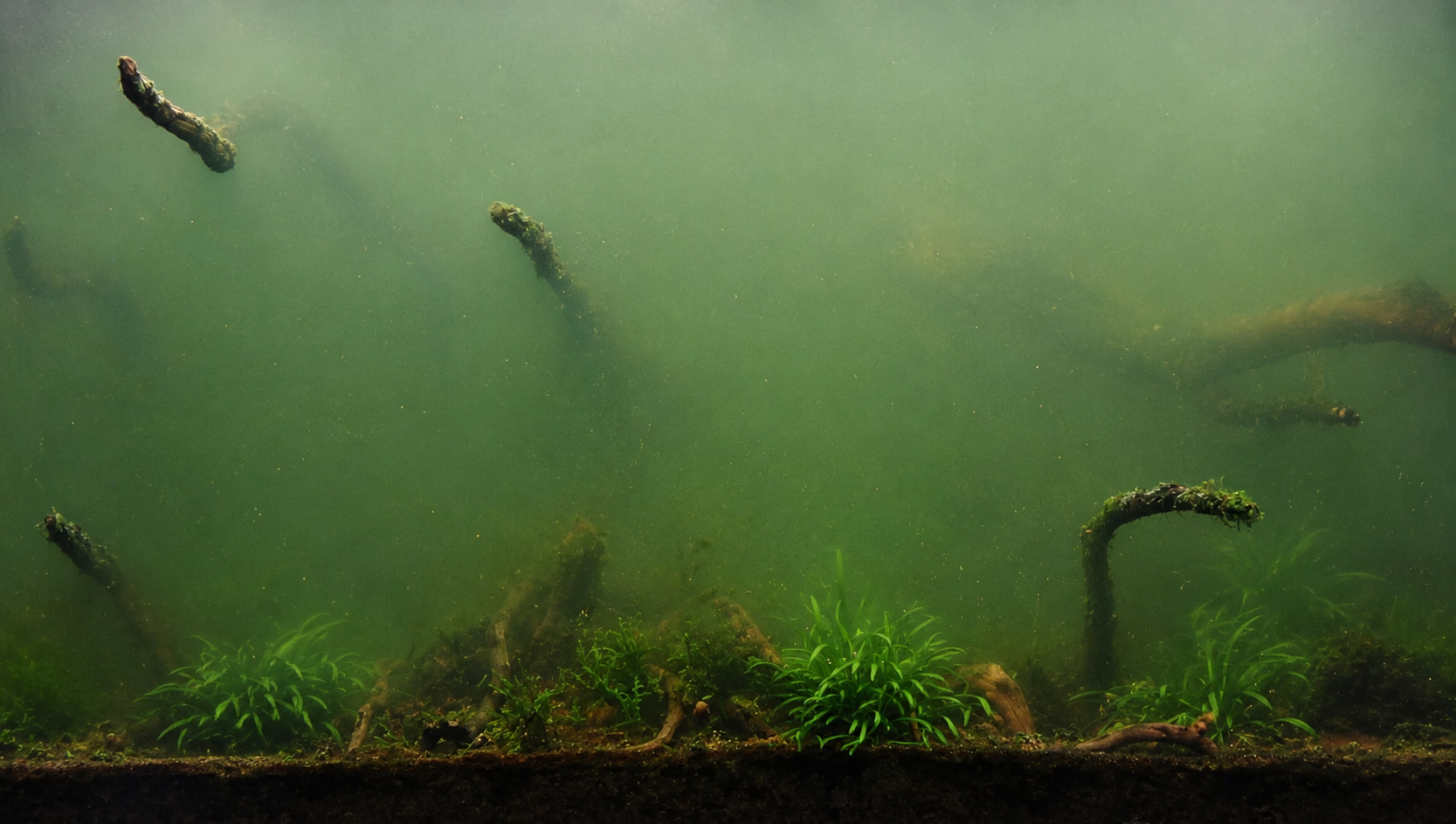
Staghorn is one of the algae types most consistently linked to unstable or fluctuating CO2 — not necessarily low CO2, but CO2 that swings between adequate and insufficient. This is common in pressurized setups with an inconsistent bubble count, tanks where CO2 shuts off overnight without a corresponding light reduction, or low-tech tanks relying only on surface agitation with no supplemental carbon at all. Poor flow and dead spots where organic waste accumulates make the problem worse by giving spores a place to settle undisturbed.
How to clear it
- Remove it manually first. Pull affected leaves or trim them off entirely if the plant can spare them — staghorn doesn’t regenerate from a clean cut the way some algae can regrow from a fragment.
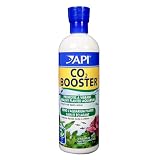
- Spot-treat with a hydrogen peroxide or liquid carbon dip. With the filter off, pipette liquid carbon (like API CO2 Booster) or a diluted hydrogen peroxide solution directly onto affected patches, let it sit for several minutes to an hour, then restore flow. Undiluted contact is what kills it — glutaraldehyde-based liquid carbon works as a direct algaecide here, not as a fertilizer.
- Stabilize your actual CO2 injection if you’re running pressurized CO2 — fix the timing so it ramps up before lights-on and holds steady through the photoperiod. This is the real fix for the instability that causes staghorn in the first place; spot-dosing liquid carbon only clears existing growth, it doesn’t stabilize a pressurized system.
- Improve flow to dead spots. Aim an outflow or add a small powerhead toward areas where debris collects — staghorn favors the still, organically-rich pockets that poor circulation creates.
Staghorn is stubborn once established but doesn’t spread as aggressively as hair algae — stabilizing your actual CO2 injection typically stops new growth within a couple of weeks, even though old growth needs to be manually removed or spot-treated rather than waiting for it to die back.
A caution before you dose: glutaraldehyde-based liquid carbon is toxic to some plants, not just algae. Vallisneria is especially sensitive and can melt from even light exposure (see our Vallisneria Americana guide), and Anacharis, Riccia fluitans, and several fine mosses react badly too. Spot-treat away from sensitive plants rather than dosing the whole tank.