Low-Tech Aquarium Plants: A Beginner’s Guide
If you keep an aquarium, you’ve probably heard the advice: add live plants. And for good reason — the right plants make your tank look incredible, reduce nitrates naturally, and give your fish the cover and enrichment they instinctively crave.
The challenge? Most aquarium plant guides assume you have CO2 injection, strong lighting, and a nutrient-rich substrate. This guide is for everyone else.
Quick picks by tank situation
If you just want the shortest possible answer, start here:
| Your setup | Best first plants | Why |
|---|---|---|
| Basic kit light | Java Fern, Anubias, Java Moss | They tolerate shade and grow attached to hardscape |
| Plain gravel or sand | Amazon Sword, Crypts, Dwarf Sagittaria | Root tabs make them work without aquasoil |
| Betta tank | Java Fern, Anubias, Frogbit, Water Sprite | Broad leaves and surface cover make the fish feel secure |
| Algae-prone tank | Hygrophila, Pennywort, Guppy Grass, floaters | Fast growth competes for excess nutrients |
| Want color without CO2 | Ludwigia Repens, Red Root Floater, tiger lotus | They show color under decent light without needing injection |
What Makes a Plant “Low Tech”?
A low-tech plant is one that grows well under:
- Standard aquarium lighting — even a basic LED clip-on light
- No CO2 injection — just the CO2 your fish exhale
- Basic substrate — gravel, sand, or bare bottom all work
- Optional root tabs or liquid fertilizer for a boost, but not required
The best low-tech plants do not all use nutrients the same way. This is where a lot of beginner setups go wrong: people buy hardy species, then feed all of them as if they were the same plant.
| Plant type | Where it feeds | What to provide |
|---|---|---|
| Rhizome plants | Mostly water column | Liquid fertilizer, rhizome above substrate |
| Rooted rosettes | Mostly substrate | Root tabs near the crown |
| Stem plants | Both water and substrate | Liquid fertilizer plus decent trimming |
| Floaters | Water column | Liquid fertilizer only if the tank is very low nutrient |
The plants below check the low-tech boxes, but they still reward being placed and fed correctly.
1. Java Fern (Microsorum pteropus)
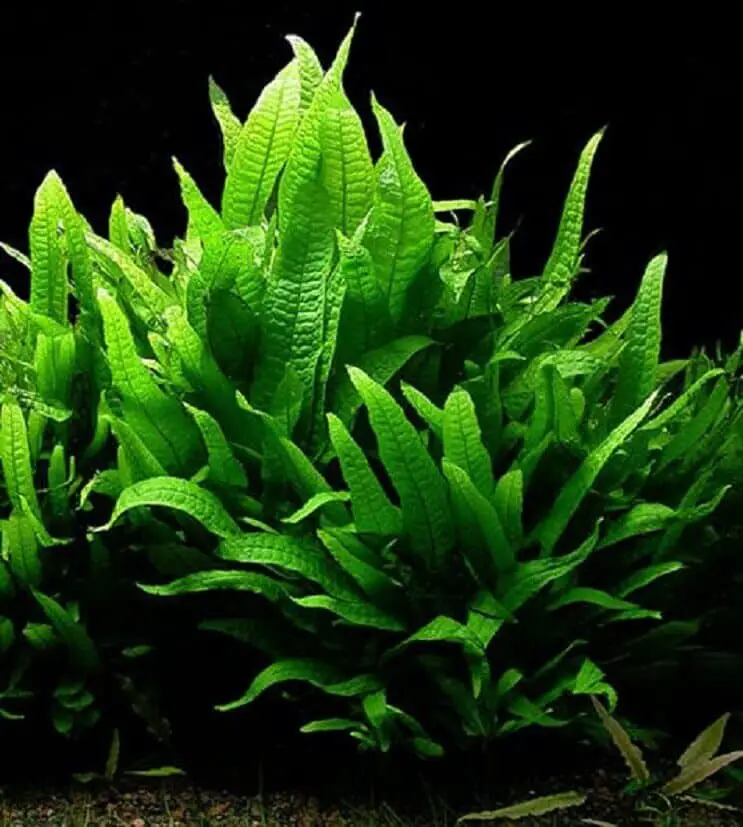
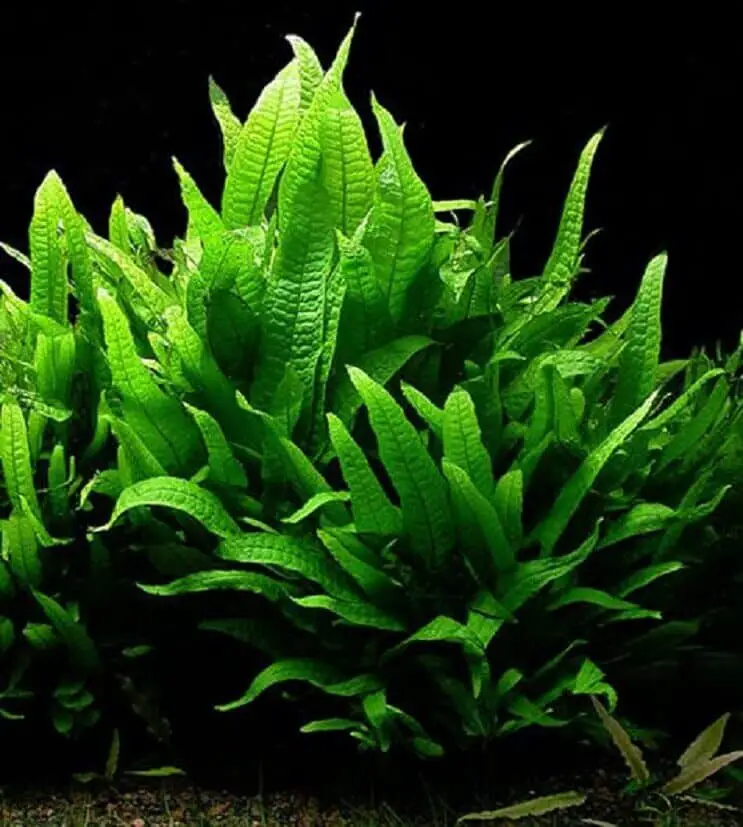
Java Fern is the single most beginner-friendly plant in the hobby. Its broad, wavy leaves are safe for delicate fish — no sharp edges, no fin damage. It handles low light, doesn’t need planting (attach it to driftwood or a rock), and grows slowly enough that you won’t need to trim it often.
Best use: attach it to wood or rock in the midground where it can become a permanent structure. Do not bury the rhizome.
2. Anubias (Anubias barteri)
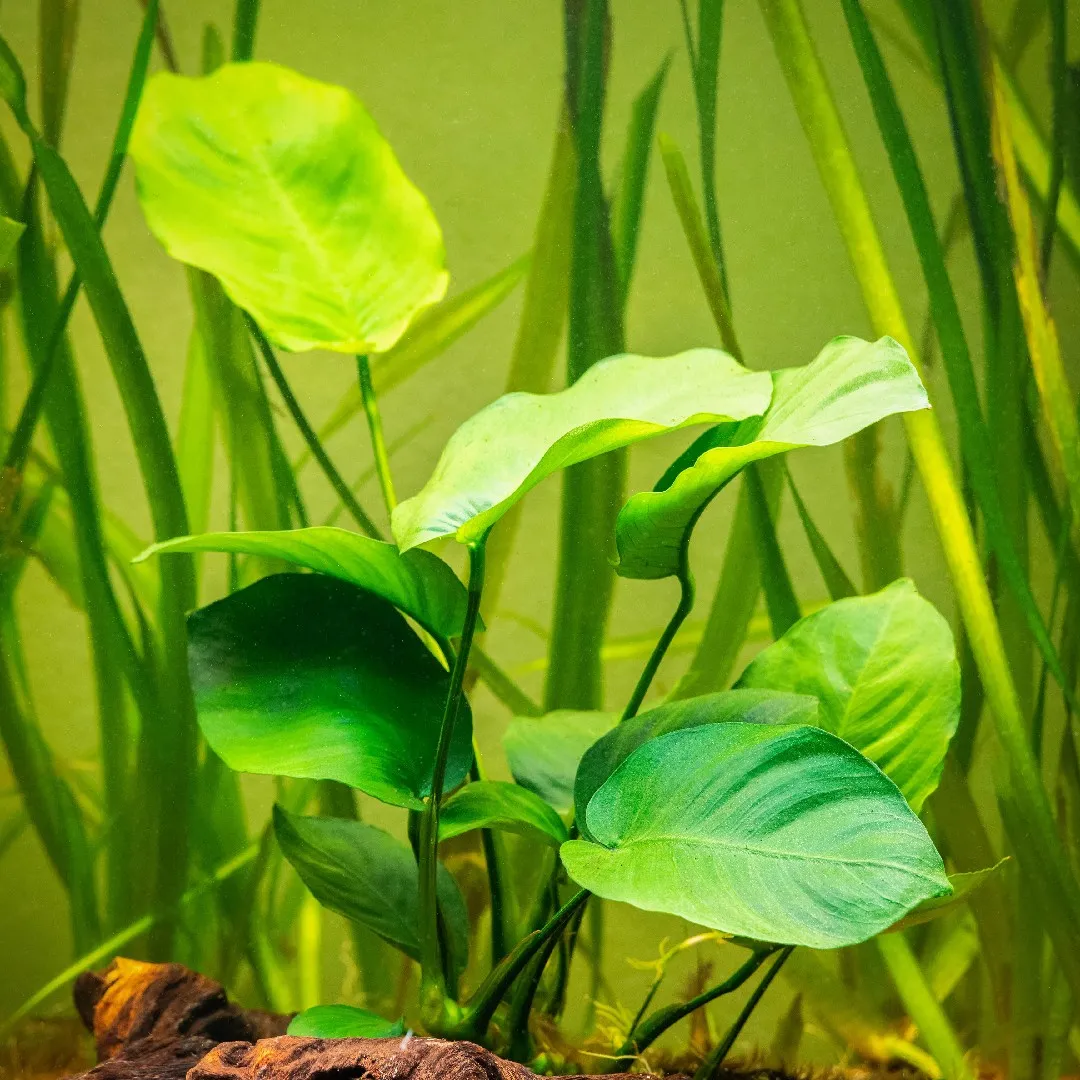
Similar story to Java Fern — bolt it to hardscape, ignore it, enjoy the results. Anubias has thick, dark green leaves that are almost indestructible. Just keep the rhizome out of the substrate or it will rot.
Best use: shaded foreground or midground accents. It is slow, so use it as structure, not as your only nutrient-export plant.
3. Amazon Sword (Echinodorus grisebachii)
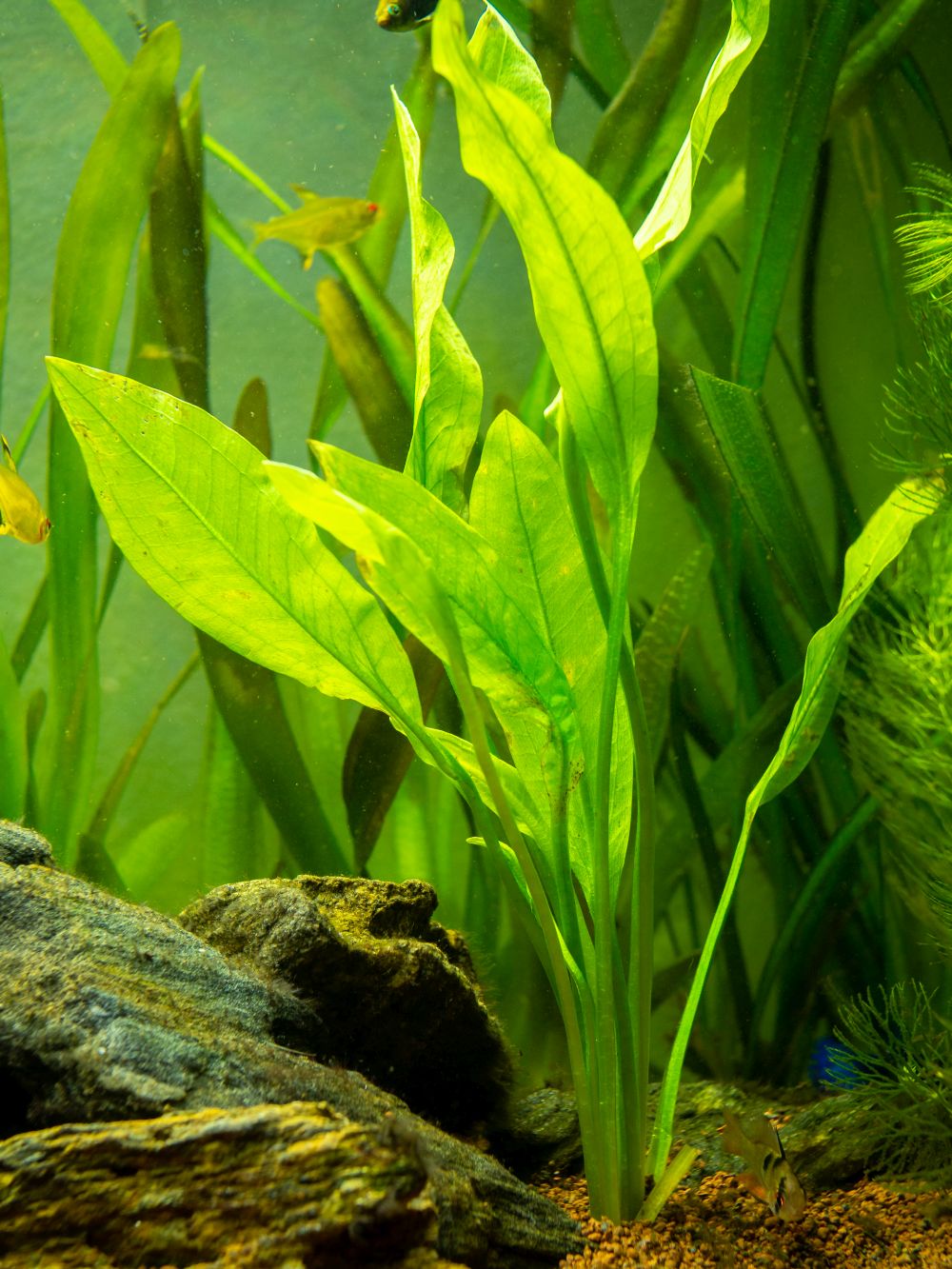
If you want something dramatic and full, the Amazon Sword delivers. It gets large and provides excellent cover and leaf surface for fish to rest on near the top of the water column. Push a root tab underneath every 3–4 months.
Best use: one centerpiece in the back half of a 10-gallon or larger tank. In a tiny tank, it can outgrow the layout quickly.
4. Hygrophila (Hygrophila corymbosa)
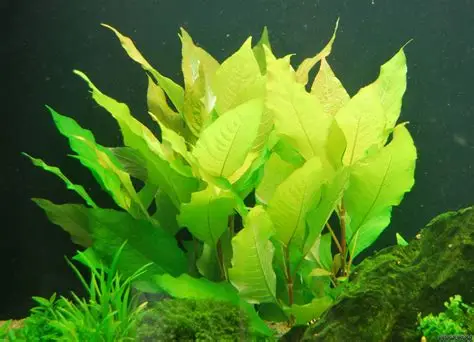
A fast-growing stem plant — exactly what you want if you have algae issues, because it out-competes algae for nutrients. It’s one of the plants we grow and ship most often, because it transitions so well out of the bag and starts rooting almost immediately.
Best use: background group planted in bunches. Trim the tops and replant them to thicken the stand.
5. Ludwigia Repens
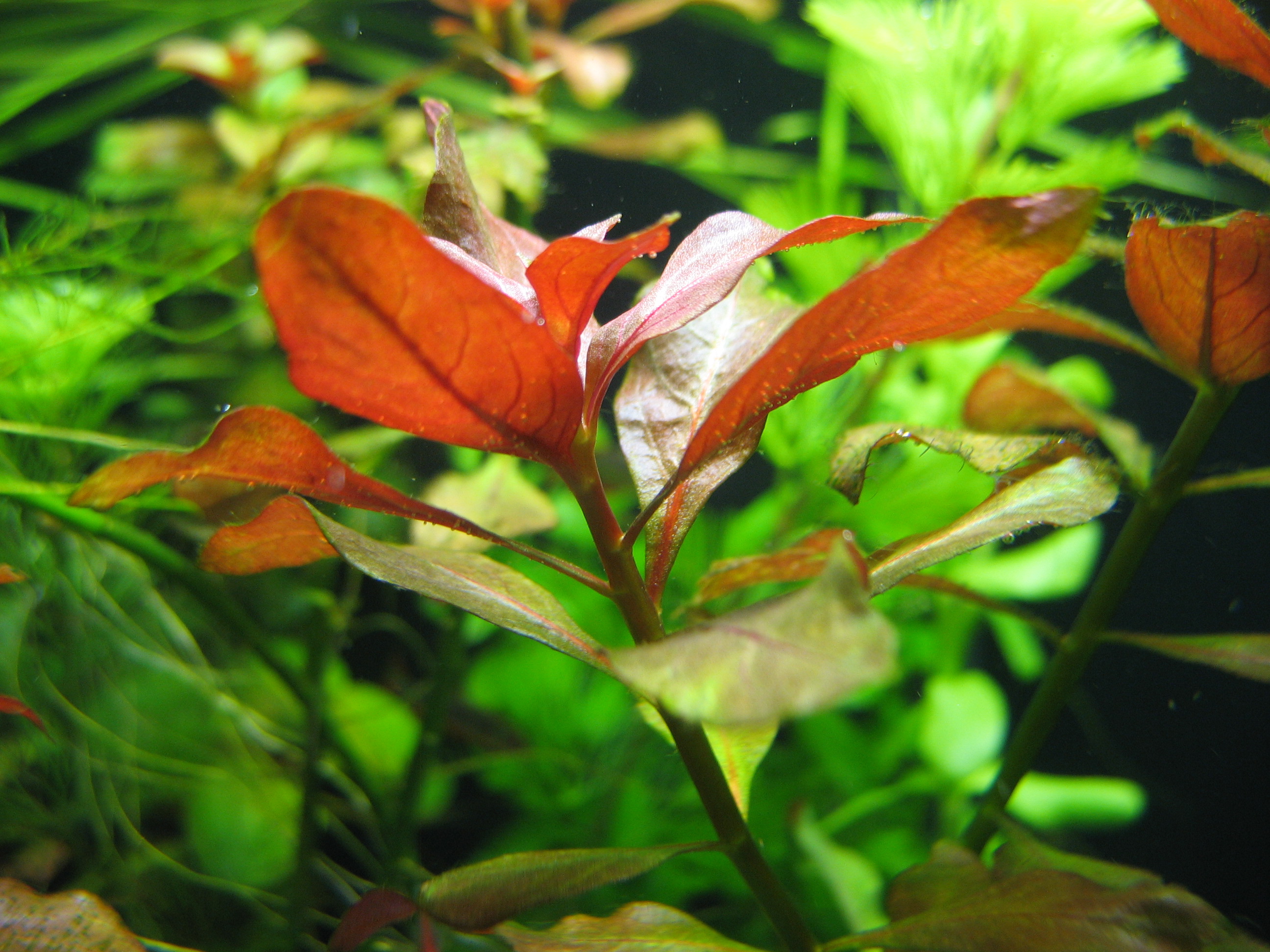
The easiest way to get real color into a low-tech tank without CO2. Under a decent LED, the leaves shift from green to reddish-copper — no injected carbon required, though more light means more color. It roots fast, tolerates a wide range of water parameters, and trims back easily if it starts shading out shorter plants in front.
Best use: background color against green plants. If it turns leggy, it wants more light or more frequent trimming.
6. Moneywort (Bacopa monnieri)
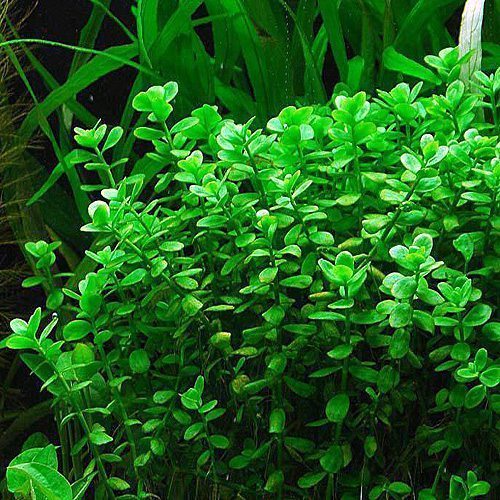
An extremely forgiving stem plant with small, rounded, bright-green leaves. Moneywort tolerates low light, fluctuating temperatures, and beginner mistakes better than almost anything else on this list. It can be planted in substrate as a background stem or left to creep along the surface as a foreground carpet — it’ll do either without complaint.
Best use: beginner background stems or a loose trailing plant near the surface.
7. Pennywort (Hydrocotyle spp.)
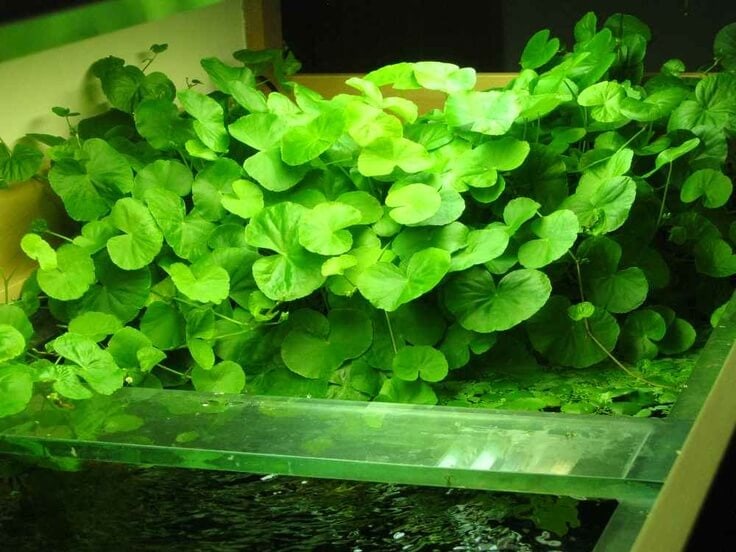
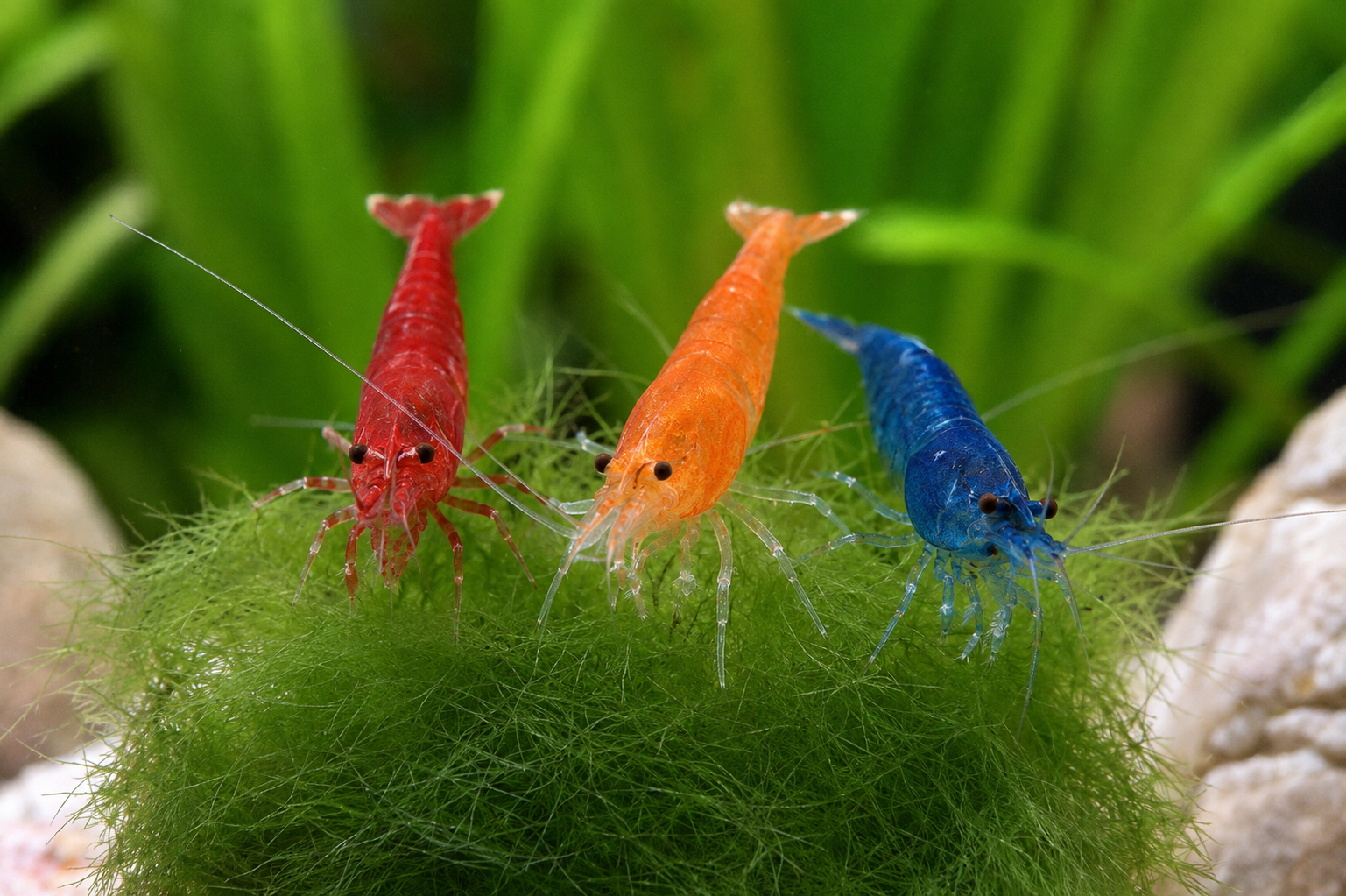
A true do-anything plant. Pennywort grows planted, floating, or trimmed short as a low carpet, adapting its growth style to whatever you give it. Its round, lily-pad-like leaves are a favorite hiding spot for fry and shrimp, and it’s one of the fastest nutrient-exporters on this list — great for tanks fighting algae.
Best use: tanks that need fast growth but not a rigid, formal aquascape.
8. Floaters: Red Root Floater & Frogbit
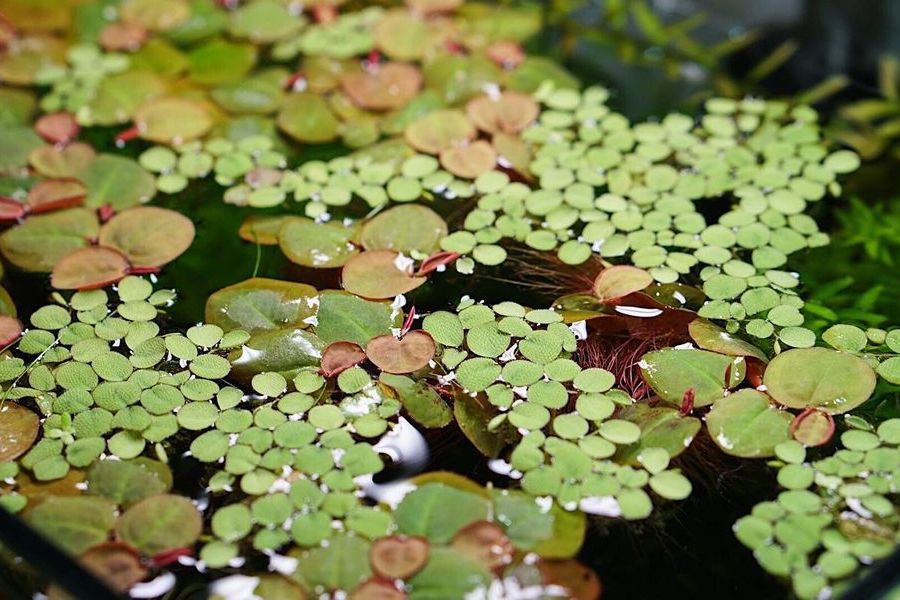
Floating plants are the unsung heroes of the planted tank. They soften the light, pull nitrates fast, and give surface-dwelling fish cover to explore. Red Root Floater turns vivid red under decent light, and Frogbit dangles long white roots that fish love to hide in.
Best use: betta tanks, shrimp tanks, and new tanks with extra nutrients. Keep them thinned so they do not block all light from plants below.
A low-tech planting plan that avoids the usual mistakes
For a 10-gallon beginner tank, I would not buy eight slow plants and call it done. A stronger mix looks like this:
| Role | Example plants | Starting amount |
|---|---|---|
| Permanent structure | Java Fern, Anubias, moss | 2-4 portions |
| Nutrient control | Hygrophila, Pennywort, Guppy Grass | 10-20 stems |
| Rooted fullness | Crypts, Amazon Sword, Dwarf Sagittaria | 3-6 plants |
| Surface cover | Frogbit, salvinia, red root floater | Small handful |
That combination gives you slow, durable plants for the long-term look and fast growers to stabilize the tank early. New low-tech tanks fail most often when every plant is slow, tiny, or purely decorative.
Setting Up for Success
You don’t need much: any LED light rated for freshwater plants, root tabs for the Amazon Sword, and a weekly dose of liquid fertilizer if you want faster growth. The most common mistake is pulling plants before they’ve settled — a little melting, leaves dropping, in the first two weeks is normal. Leave them alone and they’ll bounce back.
Plants I would not start with in a low-tech tank
Some plants are not “bad,” they are just bad first choices for a no-CO2 setup:
- HC Cuba: beautiful, but it wants CO2 and strong light to carpet reliably.
- Glossostigma: can work, but it is much less forgiving than Monte Carlo.
- Rotala color forms: they may live, but the red/pink color usually disappoints under weak light.
- Delicate fine stems: they often arrive looking great and then thin out if the tank lacks light and nutrients.
- Large swords in nano tanks: easy plant, wrong scale.
If you want a carpet, start with Monte Carlo, dwarf sagittaria, pearlweed, or dwarf hairgrass depending on your light. If you want red, start with Ludwigia Repens or red root floaters before chasing more demanding red stems.
All of the plants above are available in our store — homegrown, emersed-cultivated, and shipped snail-free. If you’re putting together a new setup, the 5+ Species Pack is the best way to get a variety of textures and colors in one order.