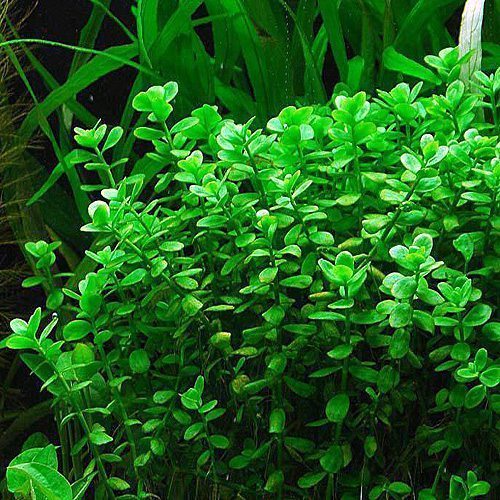

Ludwigia repens is one of the most forgiving red stem plants in the hobby, which is part of why it shows up in so many beginner tanks. It’s native to North America — found naturally in ponds, streams, and ditches from the Gulf Coast states up through the Midwest — meaning it’s adapted to a wide range of water conditions. That toughness translates directly to the aquarium.
Color by Light Level
Under low to moderate light, L. repens holds an olive-green on top and a pink-red underneath. As light intensity increases, both surfaces shift toward red-orange. Under strong light with good fertilization it can become a deep copper-red throughout. The color shift is gradual and rewarding to watch over a few weeks — see how to get red aquarium plants to actually turn red for the mechanism behind it.
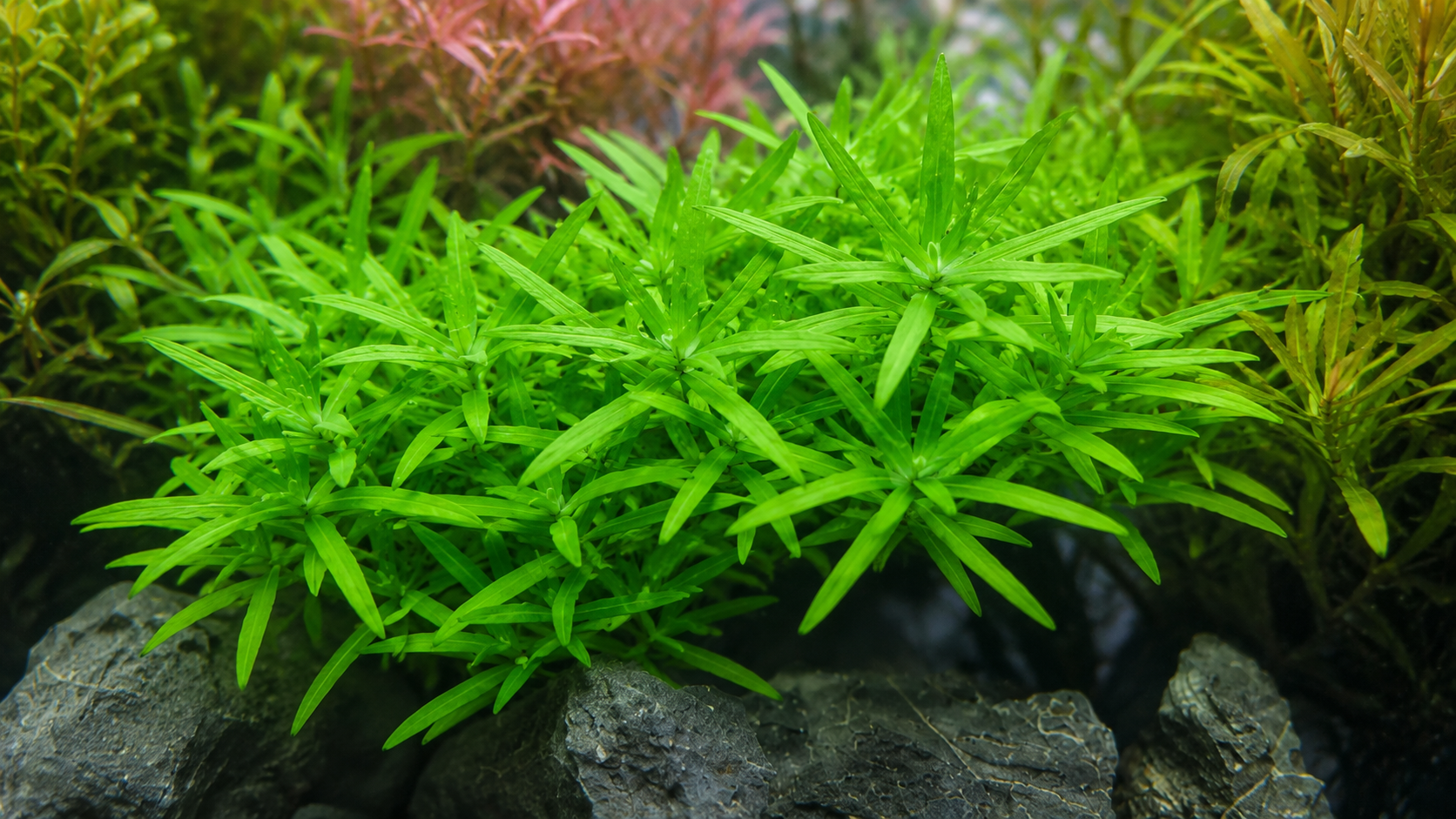
Narrow Leaf (L. repens ‘Narrow Leaf’) is a cultivar with thinner, more elongated leaves that produce a finer, more feathery silhouette. The color behavior is identical, but the texture creates a nice contrast against broad-leaved plants.
Size and Placement
Expect 20–40 cm tall under normal aquarium conditions. This is a background plant, ideally positioned against the back glass or in corners where the reddish stems catch the light. In a smaller tank (under 40 cm tall) you can keep it as a midground by trimming frequently.
Water Parameters
Coming from a wide swath of North America, it’s tolerant: 68–82°F (20–28°C), pH 6.0–7.5, and adaptable to both soft and moderately hard water. A standard weekly 20–25% water change is enough.
Root Nutrition Matters
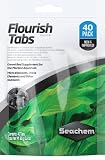
Like most Ludwigia, L. repens is a heavy root feeder. Seachem Flourish Tabs placed near the stem base every three months make a clear difference — stems stay fuller, lower leaves remain attached, and color is more uniform from base to tip. Without root nutrition, Ludwigia tends to grow tall but drop its lower leaves, leaving unsightly bare stems.
Supplement with weekly doses of Seachem Flourish liquid to keep the water column balanced.
Trimming
Cut stems just above a node and replant the top cutting. The remaining stump will sprout 2–3 new growth points within days. Trim every 2–3 weeks to keep growth bushy and prevent the leggy, floating-stem look. Dense, regularly trimmed Ludwigia is far more attractive than tall, sparse columns.
How to Plant
Remove the lowest two or three leaf pairs from each stem to expose a bare section, then push that section 3–4 cm into the substrate with tweezers. Buried nodes root within a few days and anchor the stem firmly. Plant in groups of 5–7 stems spaced about 3 cm apart along the back of the tank. Push a Seachem Flourish Tab near the base of each cluster right at planting — early root nutrition is the single best prevention against the lower-leaf drop that unfertilized Ludwigia is prone to.
Common Problems
- Bare, leggy stems. By far the most common complaint, and it traces directly back to insufficient root feeding — see above.
- Staying green under low light. Expected, not a problem. Color intensifies with more light, not more fertilizer alone.
- Transplant melt. A little leaf loss in the first couple of weeks after planting is normal, especially with emersed-grown stock adjusting to submerged growth.
Pests
No specific pest issues. As with any stem plant, rinse and check for hitchhiker snails before adding new stock to an established tank.