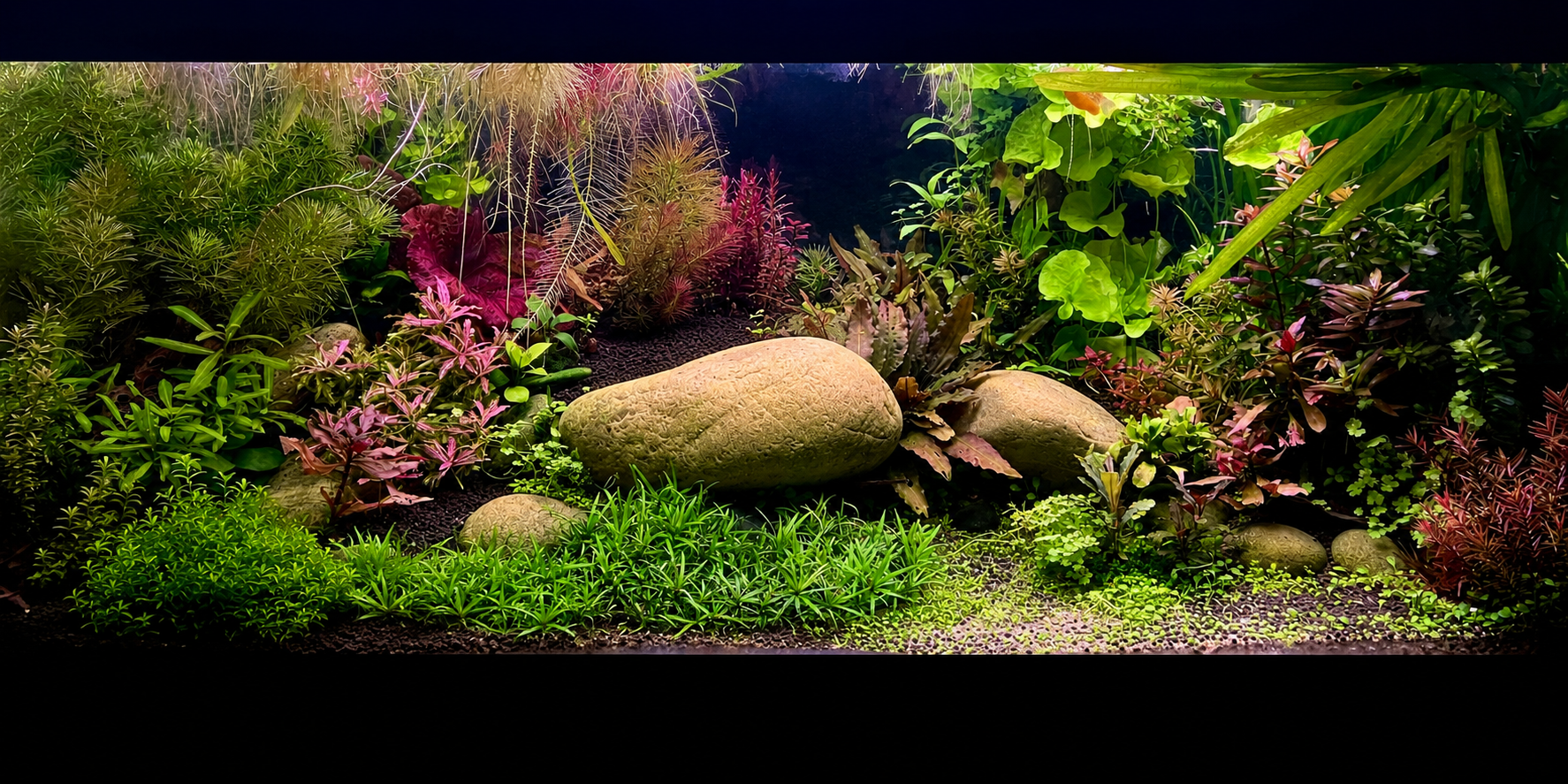
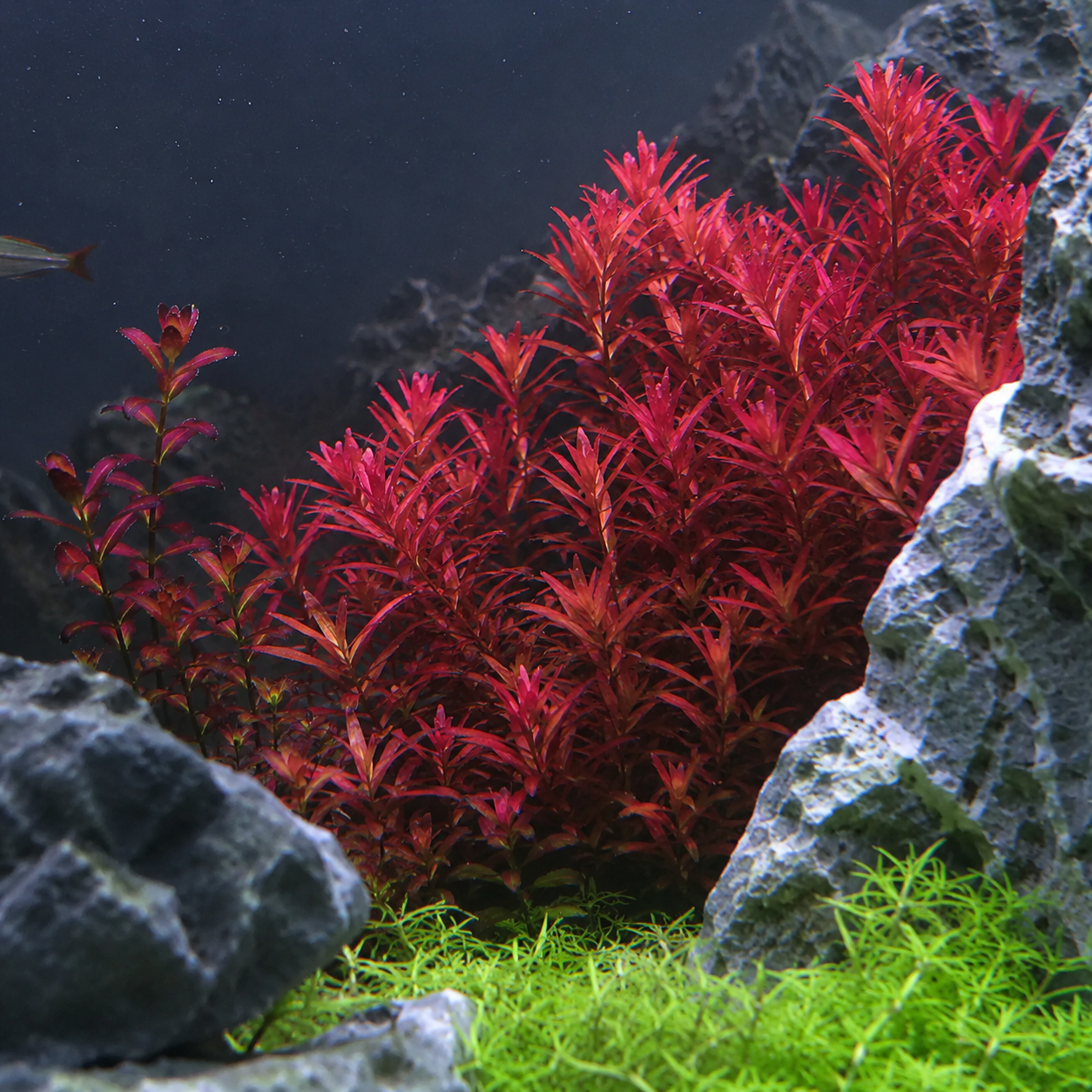
Nothing frustrates new aquascapers more than buying a “red” plant, watching it grow in green, and wondering what went wrong. The good news: it’s rarely the plant. Red coloration in aquarium plants is a response to specific growing conditions, and once you understand the three levers that control it, almost any red-capable species will show its color.
Why plants turn red in the first place
The red, pink, and copper tones in aquarium plants come from anthocyanins — pigments the plant produces as a kind of sunscreen. Under intense light, plants ramp up anthocyanin production to protect their chlorophyll from photo-damage. Under low or moderate light, there’s no stress response, so the plant stays green and saves the energy. That’s the whole mechanism: red color is a light-stress response, not a fixed trait. Even the reddest cultivar will grow in green under a dim light.
The three levers that actually matter
1. Light intensity
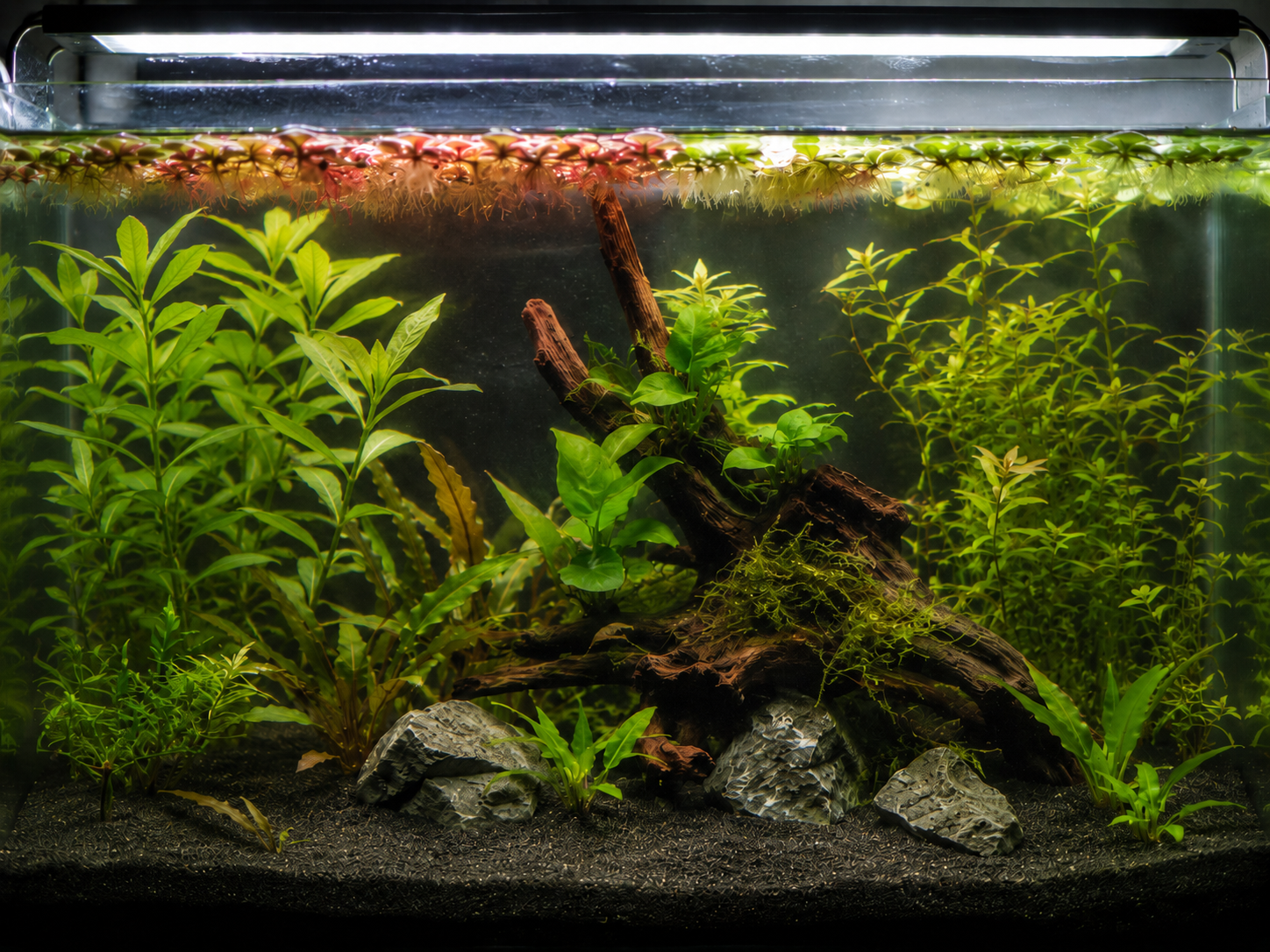
This is the single biggest factor. Red plants need noticeably stronger light than green low-tech species — not necessarily high-tech CO2 levels, but enough intensity to trigger the stress response. If a red stem plant is planted low in the tank or shaded by taller neighbors, expect the lower and shaded portions to stay green while the top, sun-exposed growth reddens.
2. Iron and micronutrients
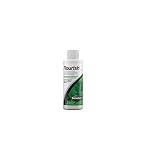
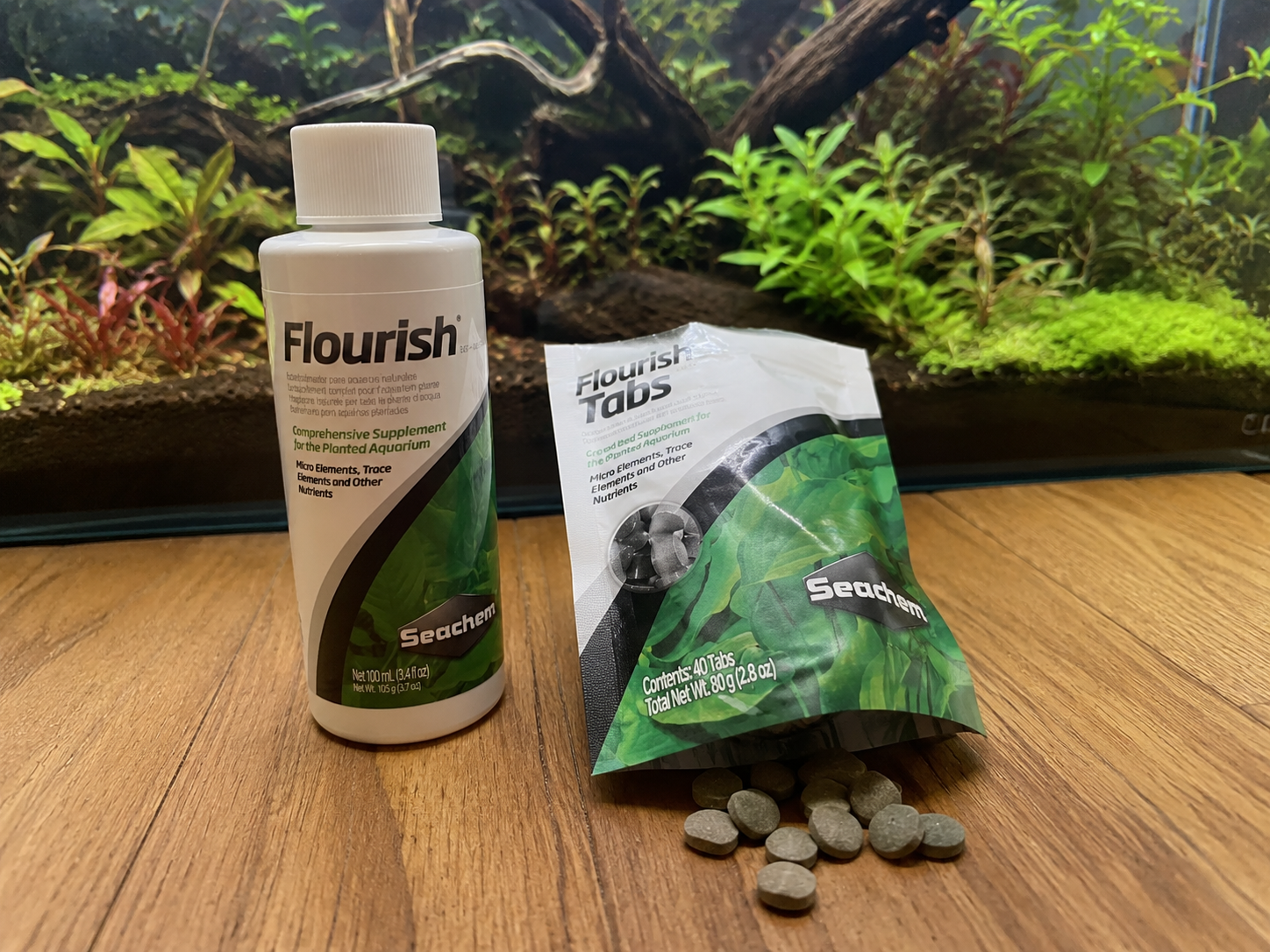
Anthocyanin production is iron-hungry. A plant that’s light-stressed but iron-starved will bleach or yellow instead of reddening properly. Seachem Flourish dosed weekly supplies the iron and trace elements that let the color response actually happen instead of stalling out.
3. Moderate (not excessive) nitrogen
Counterintuitively, plants that are gorging on nitrogen tend to stay greener — nitrogen fuels chlorophyll production, which competes visually with red pigment. Keeping nitrate in a moderate range, rather than constantly topped off, tends to produce better color. This is one reason heavily-stocked, heavily-fed tanks sometimes struggle to get stem plants to redden even under strong light.
Species that reward the effort
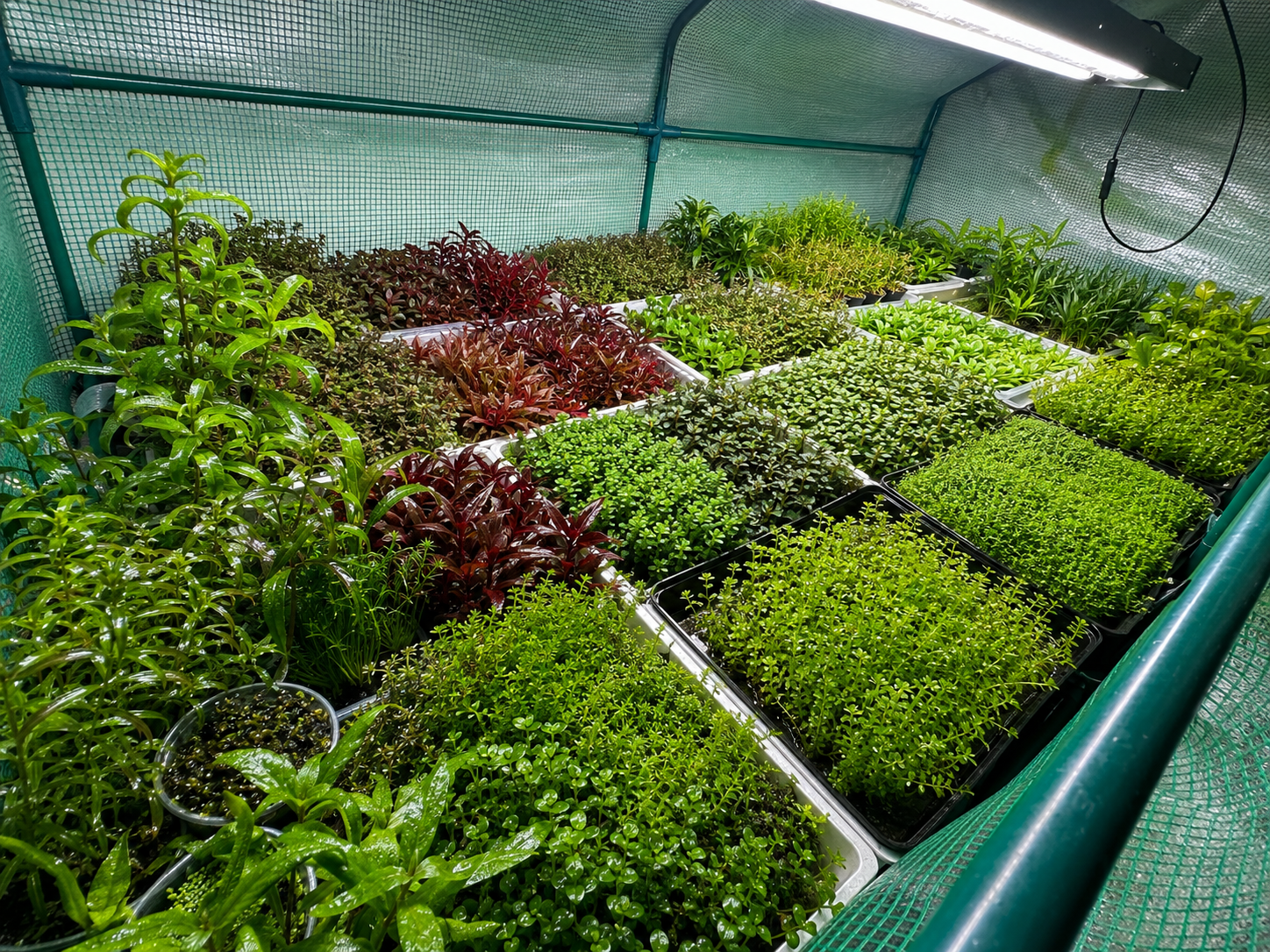
- Ludwigia Repens & Narrow Leaf — the most forgiving red stem plant in the hobby; shifts from olive-green to copper-red as light increases.
- Ludwigia Palustris & Super Red Mini — a compact option for smaller tanks that still holds strong color.
- Alternanthera Reineckii & Rosaefolia — one of the few true reds that still performs without CO2.
- Rotala Rotundifolia, Blood Red & H’ra — the classic pink-to-red trio, dramatic under strong light.
- Hygrophila Pinnatifida — reddish-bronze tones with an unusual epiphyte-style growth habit.
- Myriophyllum Mattogrossense — feathery red-green foliage that adds texture along with color.
- Cabomba Caroliniana (Purple) — a fine-leaved background plant with a color most people don’t expect from Cabomba.
- Cryptocoryne (Undulata Red) — proof that you can get red tones even from a shade-tolerant rooted plant.
- Red Root Floater — technically a floater, not a stem plant, but nothing in the hobby reddens as dramatically. If floaters interest you, see our complete guide to floating plants.
Common mistakes
- Planting red stems in the shade of taller green plants. Give them a spot with direct light, ideally midground to background where they still catch the fixture.
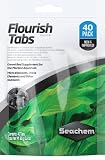
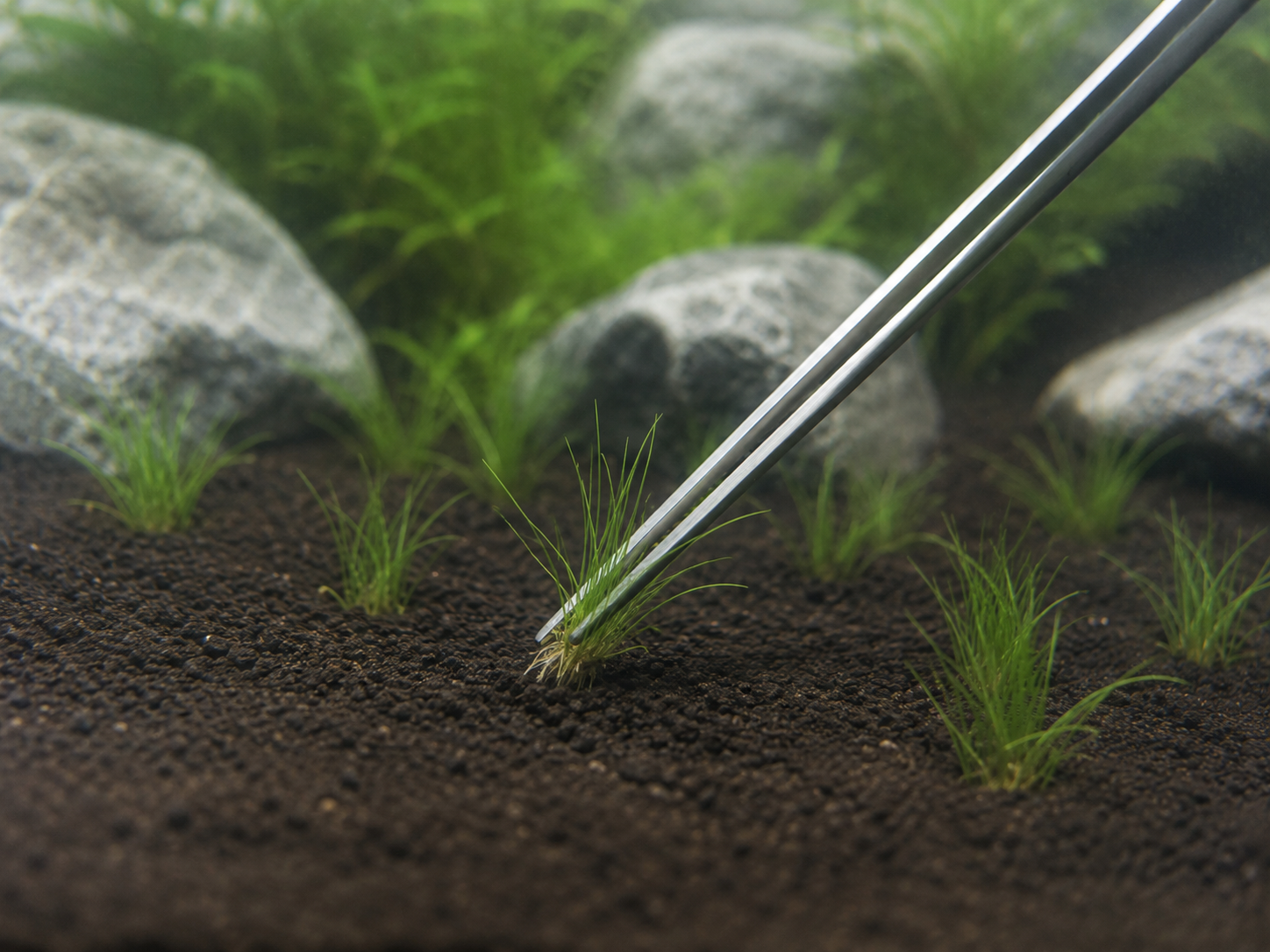
- Skipping root fertilization. Most red stem plants (Ludwigia especially) are heavy root feeders — a Seachem Flourish Tab at the base keeps lower leaves full and colored instead of dropping off bare.
- Overdosing nitrogen “to be safe.” More nitrate isn’t better here — moderate and consistent beats heavy and irregular.
- Giving up too early. Color change happens over weeks, not days. A stem planted green under a light upgrade will show new growth in red first, with the change working down the plant over time.
Putting it together
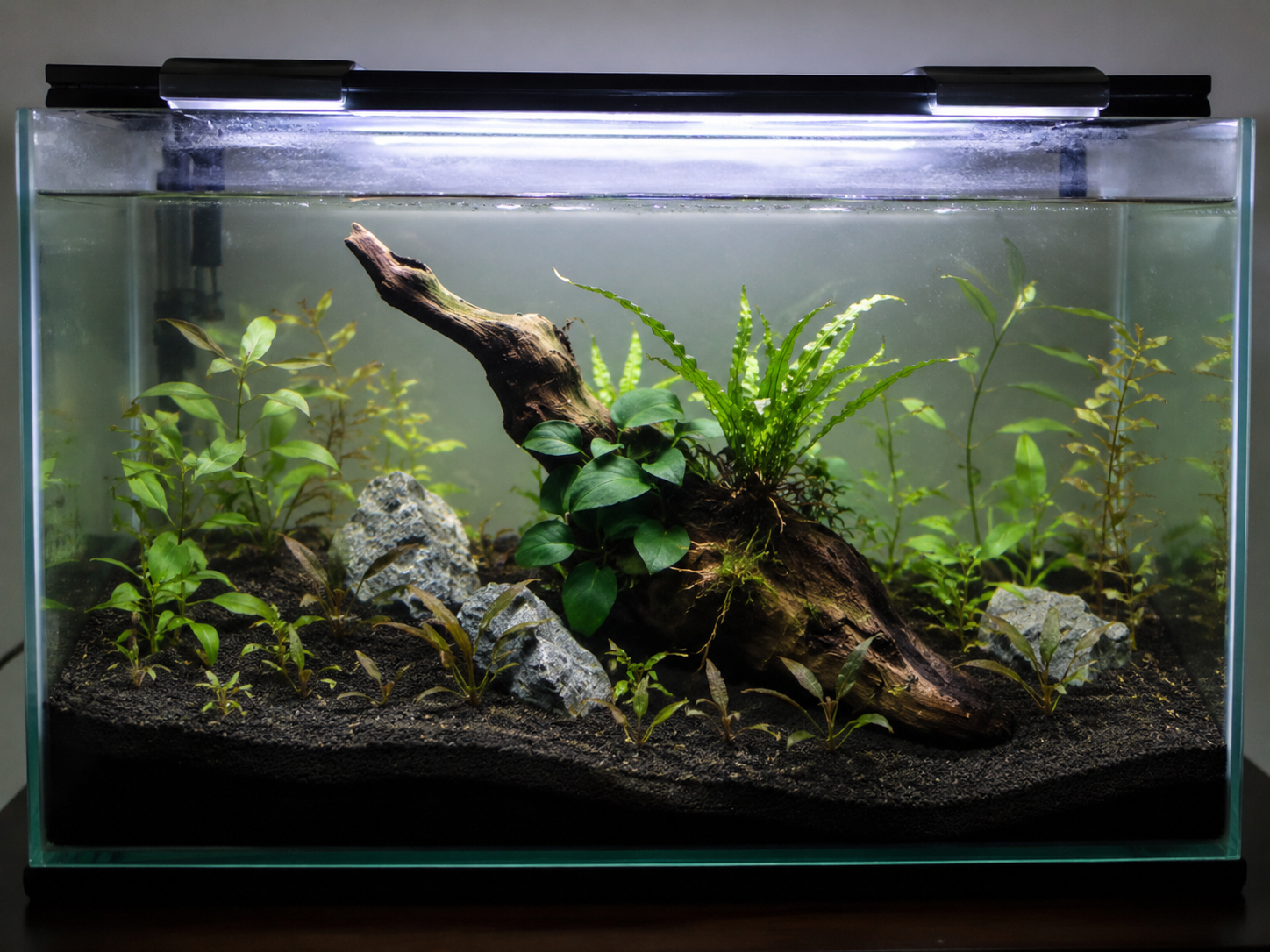
A red-plant tank isn’t a different setup so much as a dialed-in version of a normal planted tank: solid light, iron-rich liquid fertilizer, root tabs under the heavy feeders, and nitrate kept in a moderate band rather than maxed out. Get those three levers right and the color takes care of itself — no special “red plant fertilizer” required, just consistency.