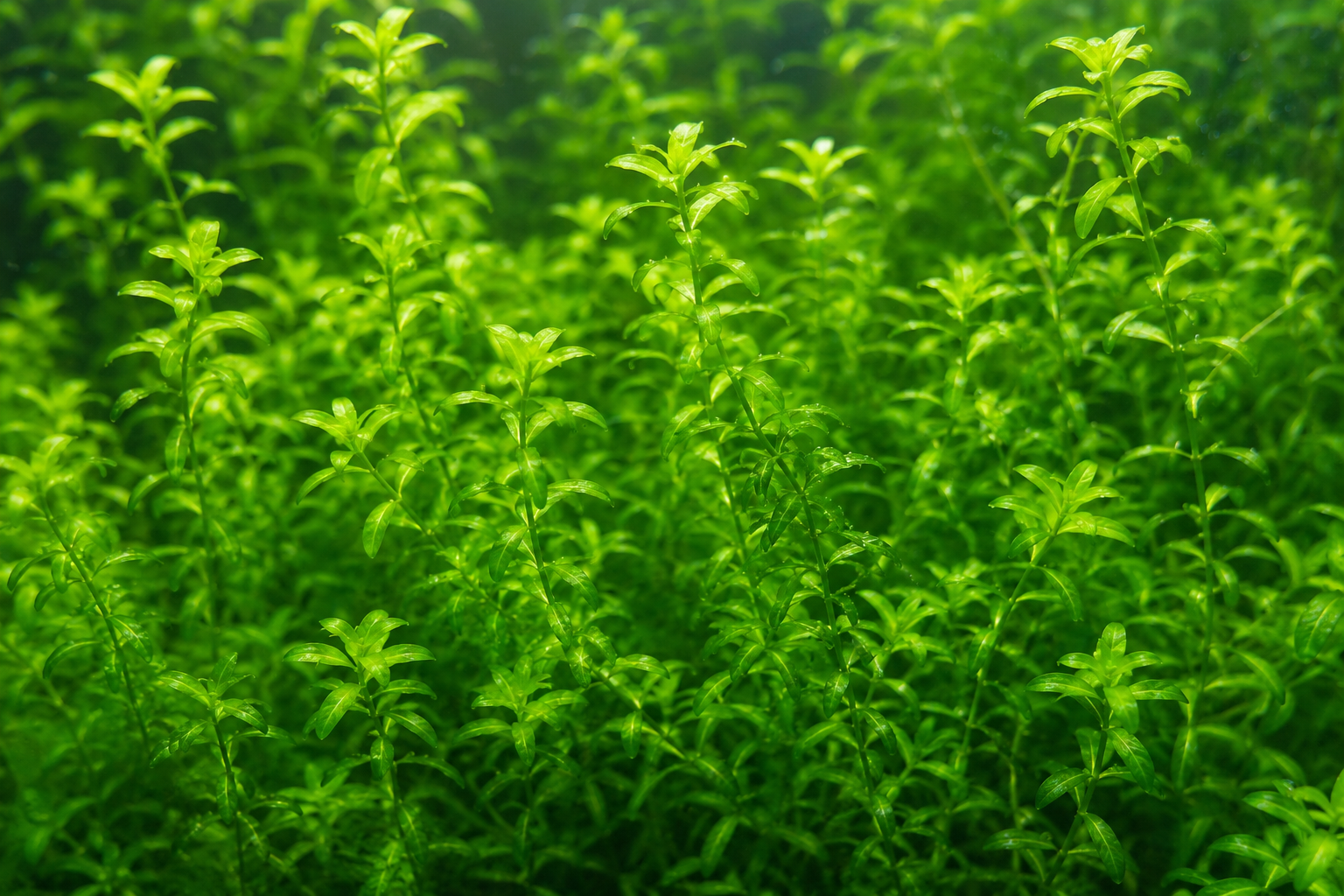
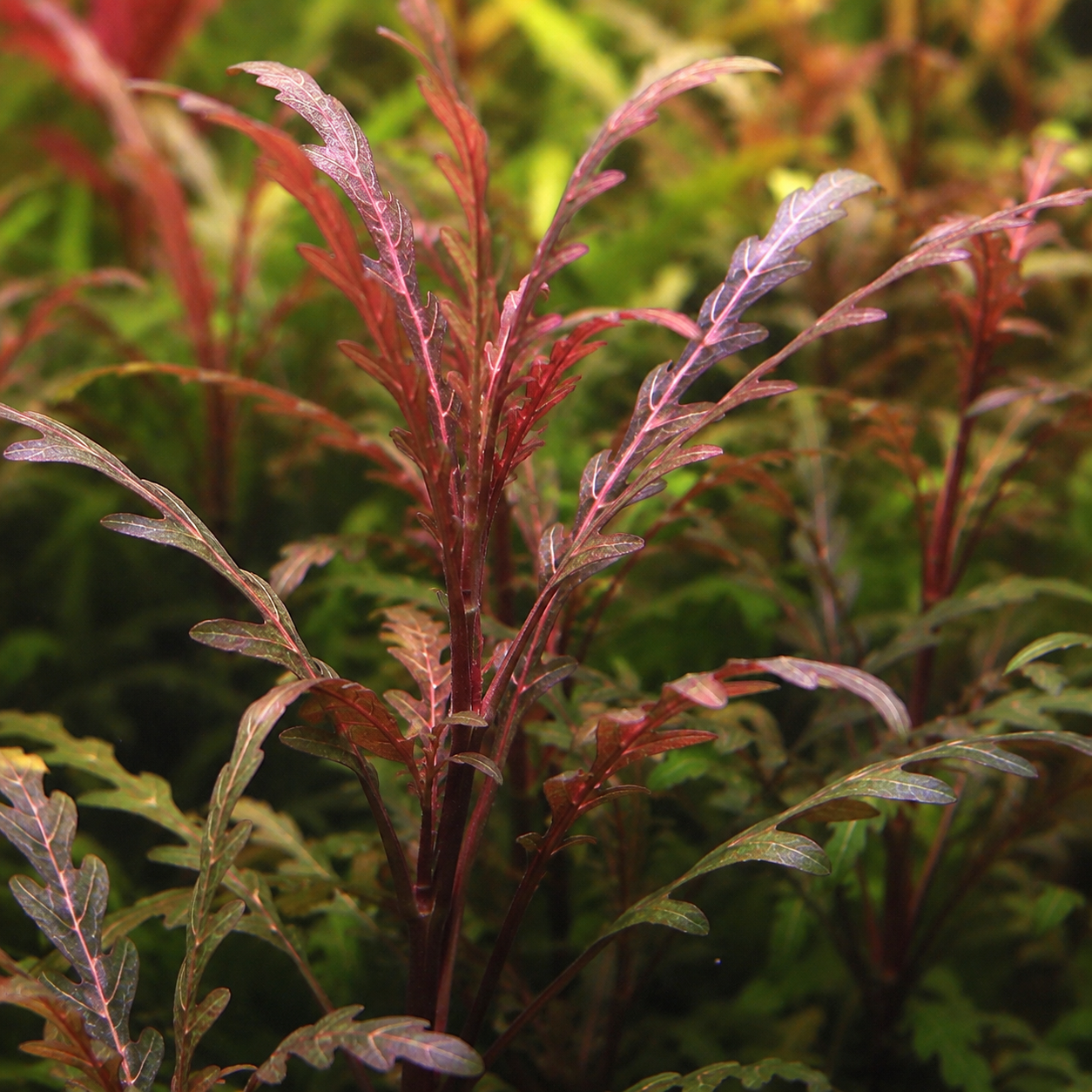
Hygrophila pinnatifida doesn’t look like a Hygrophila. Where most members of the genus have simple oval to lance-shaped leaves, pinnatifida produces deeply pinnate (feather-lobed) leaves that resemble a fern more than a typical stem plant. Native to the rocky, fast-flowing streams of India’s Western Ghats, it grows naturally attached to submerged rocks and boulders — meaning it can be kept in an aquarium just like Java Fern or Anubias, attached to hardscape rather than planted in gravel.
Two Ways to Keep It
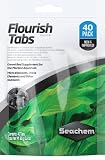
Planted in substrate: Push the stem base into gravel, press a Seachem Flourish Tab nearby, and it will root down and grow upright. Height typically 15–30 cm, making it a compact midground to background plant depending on tank height.
Attached to hardscape: Tie or glue the stem base to a rock or piece of driftwood. Over time adventitious roots develop and anchor it in place, and new growth drapes in interesting ways across the hardscape. This is closer to its natural habitat and produces a more distinctive, natural-looking arrangement. See Java Fern and Anubias for the same attachment technique.
Color
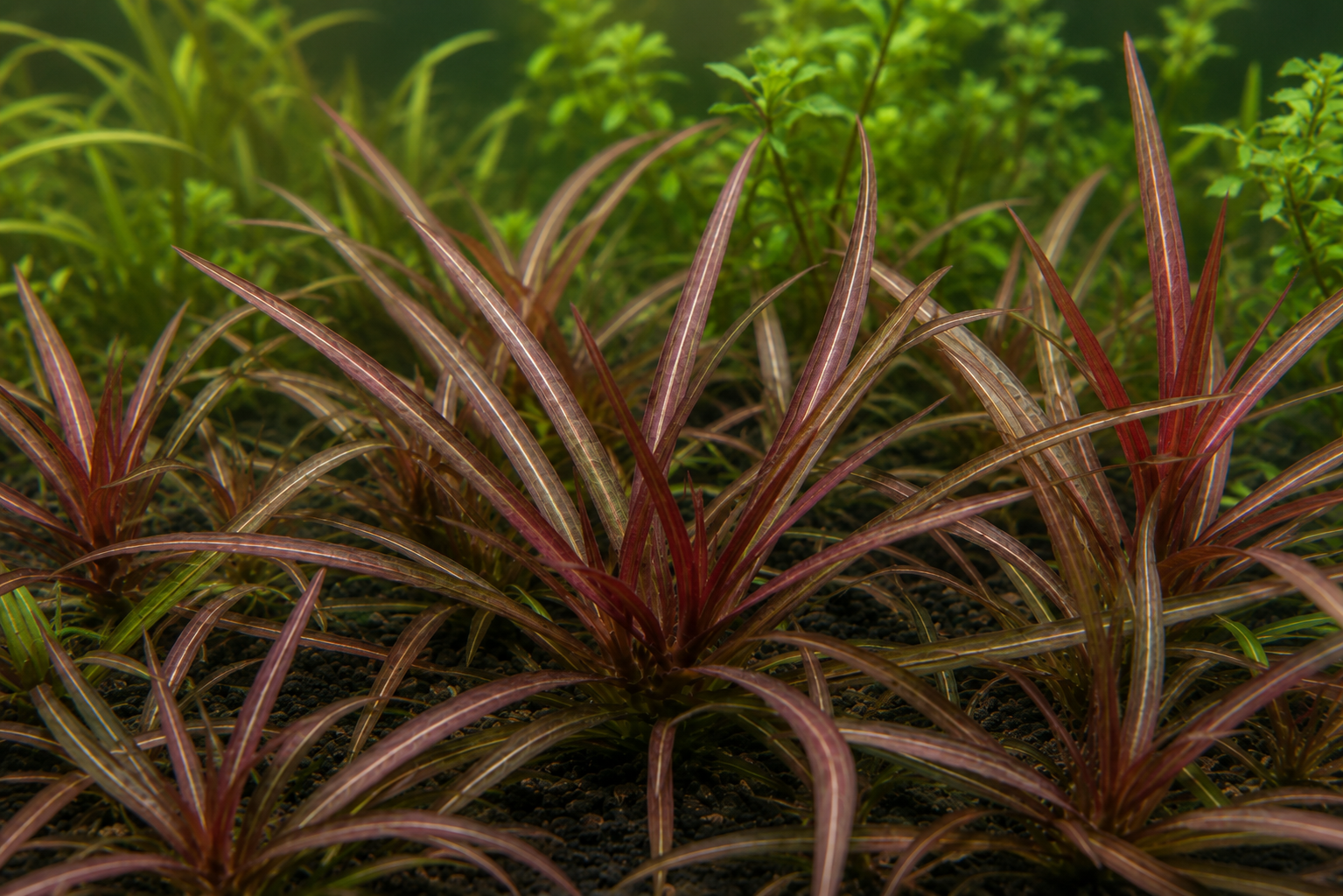
Under low light: olive-green leaves with dark coloration, reddish-brown undersides. Under moderate to high light: the upper surface develops warm reddish-brown tones with contrasting lighter veins, and the undersides become more intensely red. It’s one of the few stem plants that produces a mossy, textured surface and earns comparison with Bolbitis fern in planted scapes.
Water Parameters
Coming from fast-flowing, well-oxygenated streams, it does best in stable, moderately clean water: 72–82°F (22–28°C), pH 6.0–7.5, and a preference for water that isn’t left stagnant for long stretches. A standard weekly 20–25% water change works well.
Care and Feeding
H. pinnatifida is a slow to moderate grower that doesn’t need CO2. When attached to hardscape, weekly Seachem Flourish liquid is important since the roots can’t reach substrate nutrients. When planted in the substrate, root tabs every 3–4 months combined with liquid fertilizer keeps it performing well.
Do not rush it — this plant establishes slowly but becomes increasingly striking over months.
How to Plant
H. pinnatifida can be planted two ways — each produces a different look.
In substrate: Strip the lower leaves, push the stem 3–4 cm into gravel or sand using tweezers, and push a Seachem Flourish Tab nearby. Plant groups of 3–5 stems spaced 4 cm apart. The plant grows upright and produces new growth from the tip.
On hardscape: Apply a small amount of aquarium-safe super glue gel (cyanoacrylate) to the base of the stem and press against a rock or piece of driftwood for 30–60 seconds. Alternatively, tie loosely with cotton thread or fishing line. Over several weeks the plant sends out adventitious roots and grips the surface permanently, eventually spreading across the hardscape in a mossy, cascading pattern that no substrate-planted stem can replicate.
Common Problems
- Slow establishment mistaken for failure. This is the biggest source of frustration with this plant — it simply takes longer than other Hygrophila to settle in and show growth. Give it a couple of months before concluding something’s wrong.
- Dull, olive coloring. Almost always a light issue rather than a health problem; the reddish-brown tones only develop under moderate to high light.
- Detachment from hardscape. If thread or glue fails before roots have gripped, the plant can drift free. Re-secure it and give it another few weeks — the roots that eventually form are quite tenacious once established.
Pests
No specific pest issues. As with any new plant, rinse and check for hitchhiker snails before adding it to an established tank.