
Nymphaea zenkeri — Red Tiger Lotus — is native to African waterways including the Nile, and it’s sold under a name that’s really describing a striking red, tiger-striped cultivar form of the broader Nymphaea lotus species. In the aquarium it stands out for something genuinely unusual: it produces two completely different leaf types from the same bulb, and managing that difference is the entire trick to keeping it look its best.
Two Leaves, One Plant
Submerged leaves — heart-shaped, reddish with dark speckled, tiger-stripe patterning — grow directly from the bulb and stay underwater. As the plant matures, it also sends up separate leaves on long stems that reach the surface and flatten into ordinary green lily pads. Both are the same plant; the submerged form is what most people are growing it for, and the floating form is what happens if you let it keep reaching upward unchecked.
The Trim That Actually Matters
This is the plant’s signature care move: trim floating leaves off at the stem as soon as they reach the surface and start to flatten. Left alone, they’ll multiply, shade the rest of your tank, and pull the plant’s energy away from producing the colorful submerged leaves you actually want. Regular trimming keeps growth focused underwater, where the color show is.
Light and Color
Like other red-toned aquarium plants, stronger light drives more intense red and tiger-striping — see how to get red aquarium plants to actually turn red for the mechanism behind this. Under lower light it still grows, just with more muted, greener coloration.
Water Parameters
Warm, tropical African freshwater conditions suit it well: 72–82°F (22–28°C), pH 6.0–7.5, and it tolerates a moderate range of hardness. A standard weekly 20–25% water change is enough.
Planting the Bulb
Push the bulb into the substrate root-side down, but leave the top third to half exposed above the surface rather than burying it completely — full burial risks rot, similar to the crown-exposure rule for Amazon Sword and other rosette plants. Bulbs are frequently sold dormant, so don’t be discouraged if nothing visible happens for the first couple of weeks; as long as the bulb stays firm, it’s still viable.
Feeding
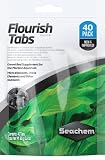
Once established, this becomes a genuinely heavy root feeder. Seachem Flourish Tabs placed near the bulb every 3-4 months make a real difference in leaf size and color intensity. Weekly Seachem Flourish liquid rounds out water column nutrition, particularly useful while the plant is still young and building out its root system.
Size and Placement
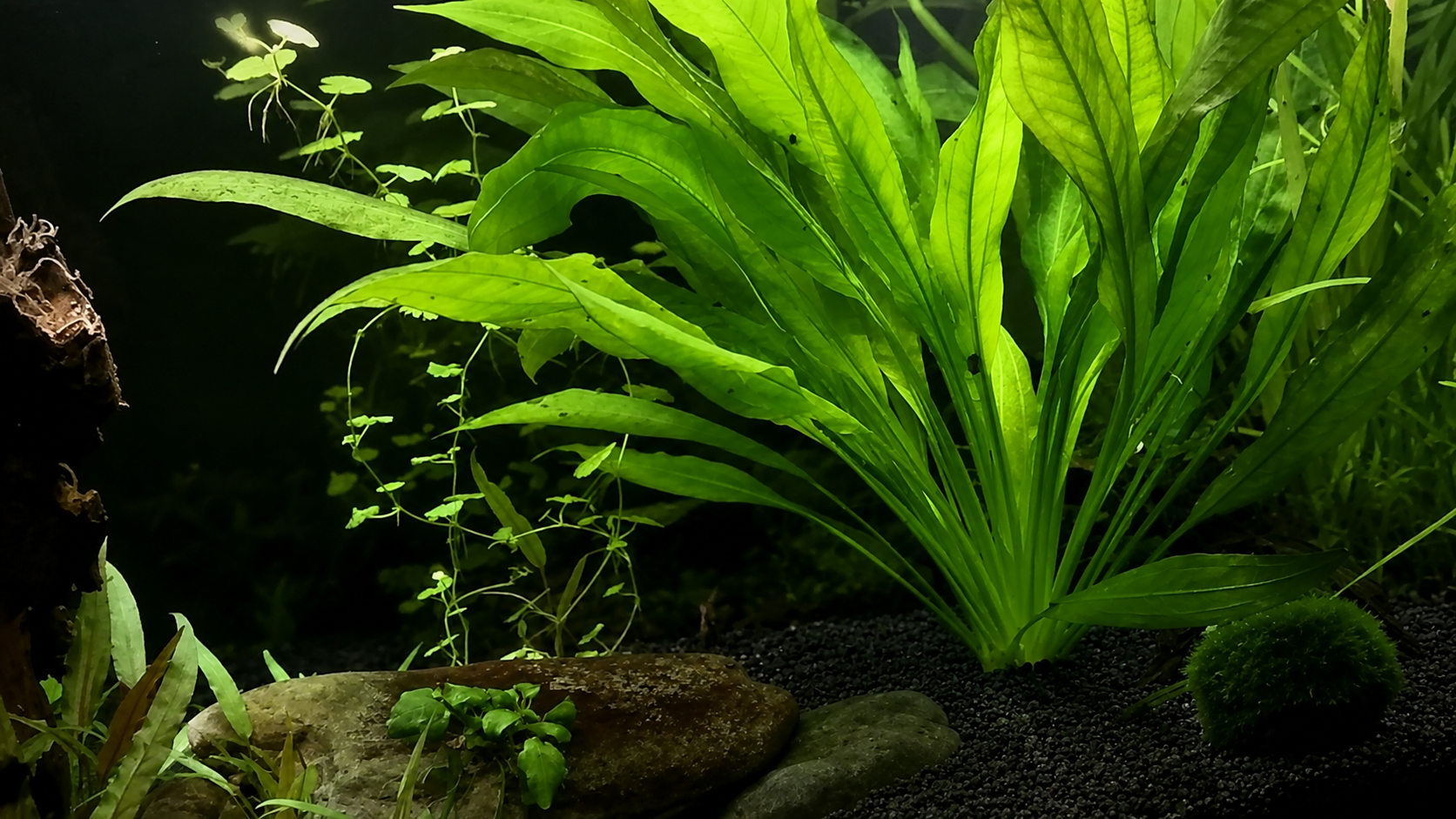
Given time and good light, Red Tiger Lotus becomes a genuine centerpiece plant, rivaling Amazon Sword in eventual size. Give it real space — a 20-gallon tank or larger — and treat it as a standalone focal point rather than something to tuck into a crowded midground. See best aquarium plants by placement for how a centerpiece plant like this fits with everything else in the layout.
Propagation
Mature bulbs periodically produce small offset plantlets alongside the main bulb. Once an offset has a few leaves and roots of its own, it can be separated and replanted independently.
Common Problems
- Floating leaves taking over. Not actually a problem, just an unmanaged plant — trim them as they emerge and the submerged form takes over again.
- Slow to sprout after planting. Normal for a dormant bulb; give it a few weeks before assuming anything is wrong, as long as the bulb itself stays firm.
- Bulb rot. Caused by full burial or a consistently anaerobic substrate; replant with the top of the bulb exposed and improve substrate flow if this recurs.
Pests
No specific pest issues. Rinse and inspect new bulbs for hitchhiker snails before adding them to an established tank.
Red Tiger Lotus rewards a bit of regular trimming with one of the more genuinely dramatic centerpieces available in the low-tech hobby — patience through the dormant start, then consistent leaf management from there.