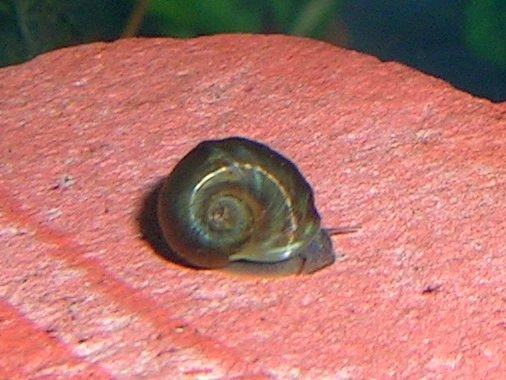

Nerite snails are the go-to recommendation for algae control precisely because they don’t reproduce in a freshwater tank the way pest snails do — see our guide to pest snails for that comparison. But anyone who’s kept them for more than a few weeks runs into a different, purely cosmetic problem: small white or tan grain-like specks showing up everywhere, and refusing to go away no matter how long you wait.
Why the eggs never hatch, but never disappear either
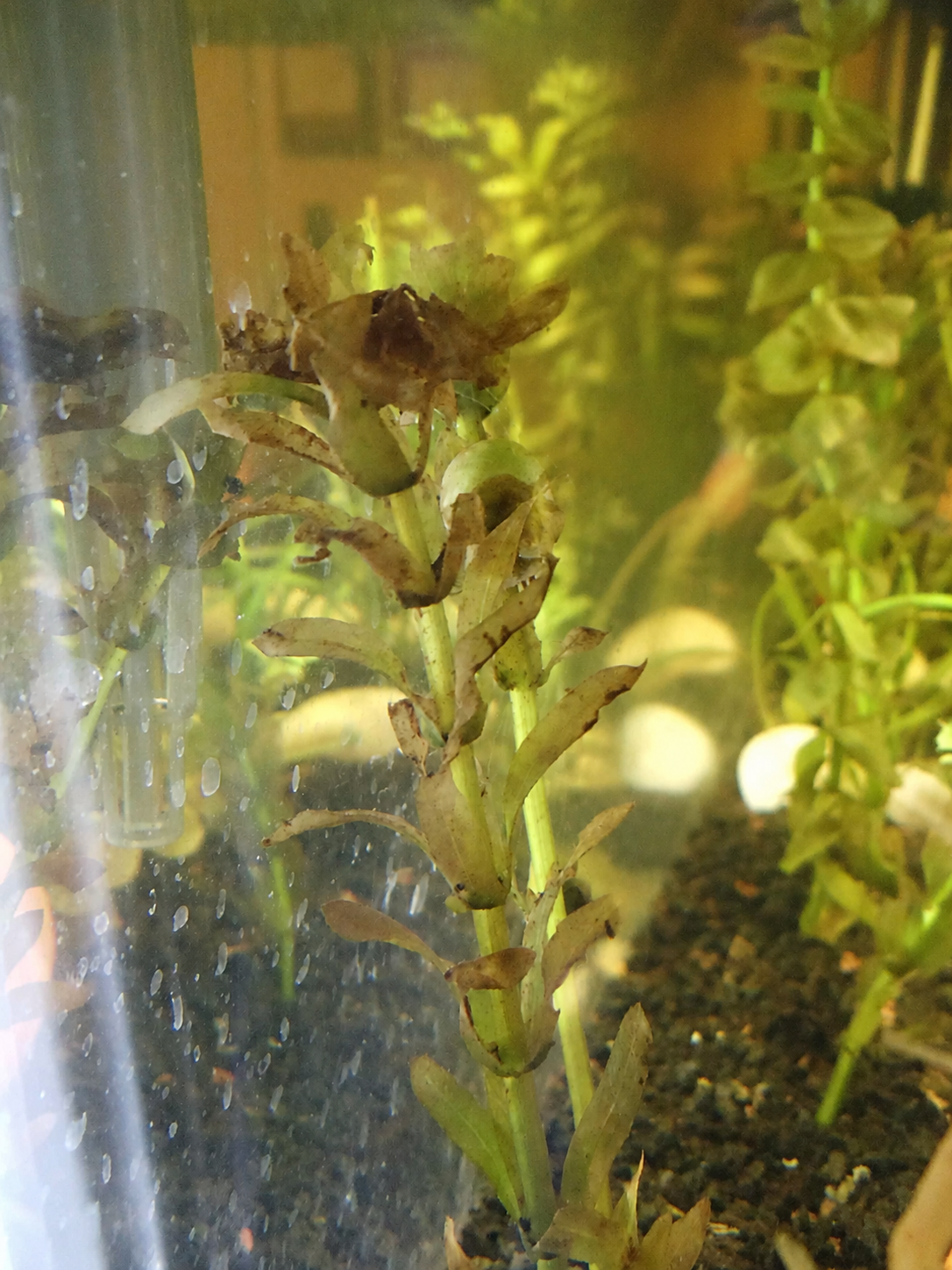
Nerite snails lay eggs constantly, on almost any hard surface — glass, decor, plant leaves, even the shells of other nerites. In their natural brackish or marine habitat, those eggs hatch into free-swimming larvae that need saline water to develop. In a standard freshwater planted tank, that larval stage simply can’t happen — the eggs are biologically inert. They will never hatch, never turn into more snails, and pose no risk of a population boom.
The catch is that “won’t hatch” doesn’t mean “will dissolve.” The egg capsules are tough and adhesive, built to survive in the wild, and a freshwater tank does nothing to break them down. Once laid, they’re a permanent cosmetic fixture until something physically removes them.
Where they show up most
- Glass, especially lower panels and corners a nerite tends to graze.
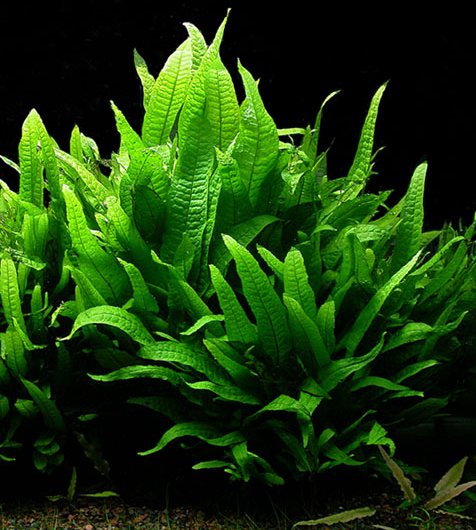
- Slow-growing, tough-leaved plants like Anubias and Java Fern — their thick leaves stick around for months, giving eggs plenty of time to accumulate, unlike a fast-growing stem plant that gets trimmed and replaced before eggs build up.
- Hardscape — driftwood and rock textures are prime real estate.
- Equipment — filter intakes, heaters, and anything else that stays submerged and undisturbed.
How to actually get rid of them
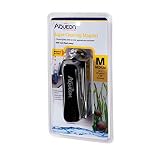
- Scrape the glass with an algae scraper or old gift card on a normal cleaning schedule. This is the easiest surface to keep clear since it’s flat and accessible.
- Wipe leaves gently by hand during routine plant maintenance. Firm-leaved plants like Anubias and Java Fern tolerate this without damage.
- Accept some loss on hardscape and decor. Textured driftwood and rock are the hardest surfaces to fully clear — a soft brush helps, but expect to never get every last one off porous wood.
- Reduce the population if it’s genuinely excessive. Fewer nerites means fewer eggs. There’s no way to stop a nerite from laying eggs it’s already carrying, but keeping the colony to a reasonable size (one nerite per 5-10 gallons is a common guideline) keeps the egg load manageable.
Does water chemistry affect how many eggs show up?
Anecdotally, yes — nerite activity and egg-laying tend to be more noticeable in harder, more mineral-rich water, since nerites (like most snails) rely on dissolved calcium for shell health and tend to be more active and reproductively driven under those conditions. Heavily planted, low-tech tanks often run naturally softer and more acidic, which can mean less visible egg-laying overall. We cover why planted tanks trend soft and acidic in the first place in our guide to GH and pH in a heavily planted tank.
The bottom line
Nerite egg buildup is annoying but harmless — it’s not a sign of a pest infestation, and it won’t spiral out of control the way pond or bladder snails can. Regular glass scraping and the occasional leaf wipe-down are the entire fix; there’s no treatment or product that dissolves the eggs faster than simple manual removal.