 care guides
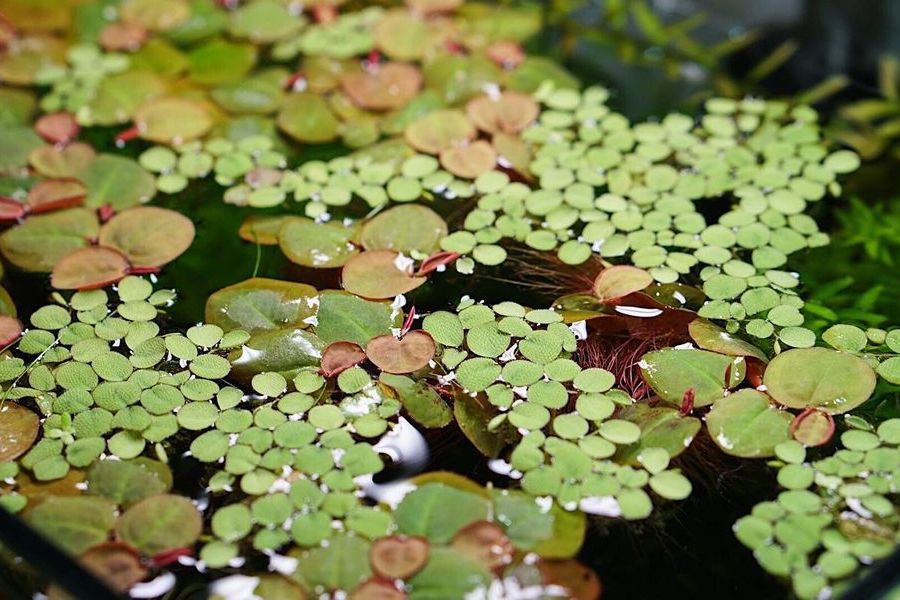
Do Bettas Need Live Plants?
Bettas can survive without plants, but they don't just tolerate them — live plants mimic the dense, shallow habitat bettas evolved in, and the difference shows up in behavior, stress, and water quality.
 tank setups
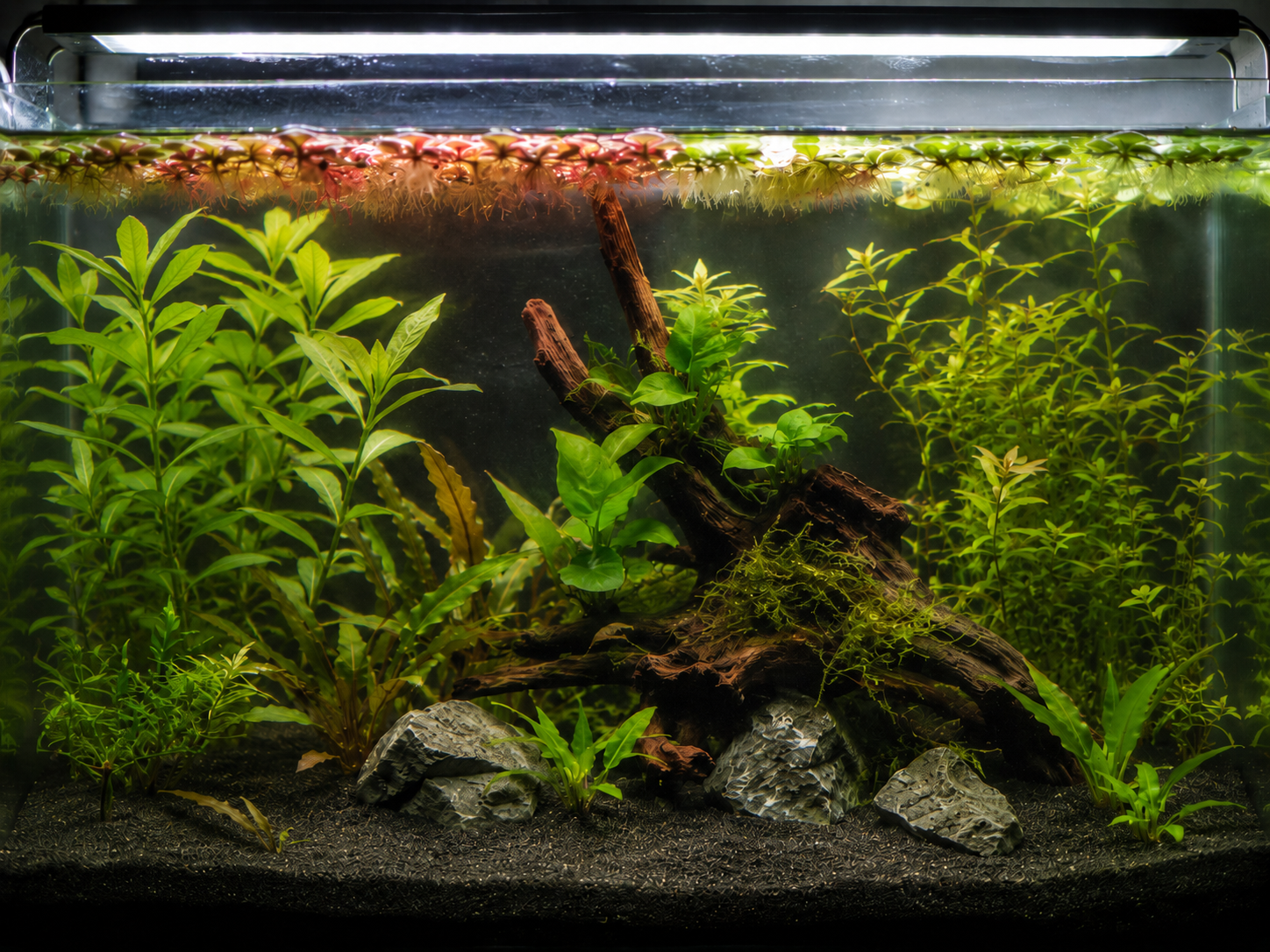
20-Gallon Betta Tank Setup: A Lush, Low-Tech Planted Aquascape
We built a lush, low-tech 20-gallon planted betta tank — the layout, plant list, and gear that kept it stable with zero CO2.
 tank setups
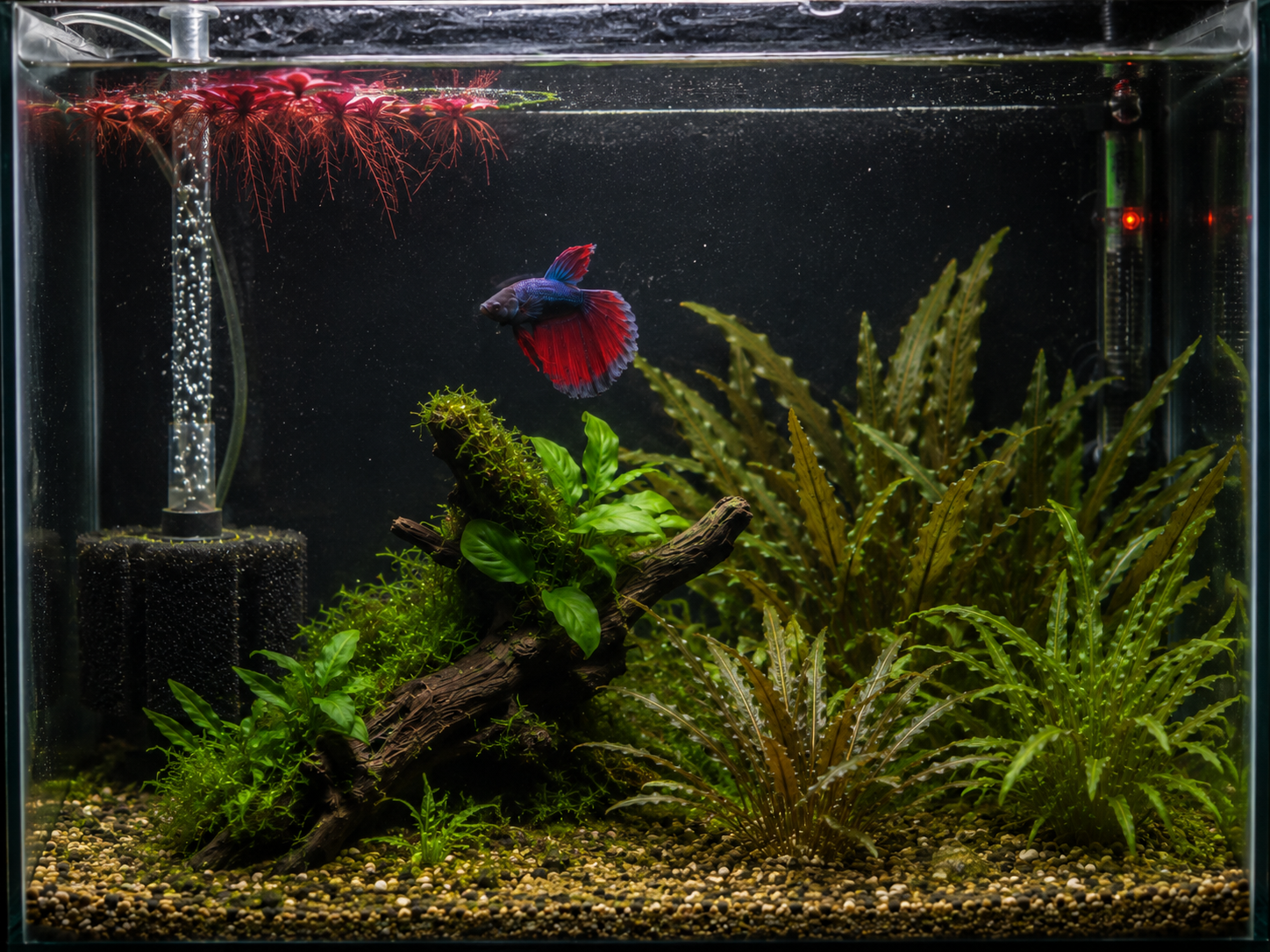
5-Gallon Betta Tank: A Simple Planted Setup
We built a low-tech, planted 5-gallon betta tank from scratch — the exact hardscape, plant list, and gear that made it work.
care guidesThe Ultimate Guide to Floating Aquarium Plants
Floating plants soften light, pull nitrates fast, and give surface fish a place to hide. Here's how to choose the right species, how much coverage to keep, and how to stop them from taking over.
 tank setups
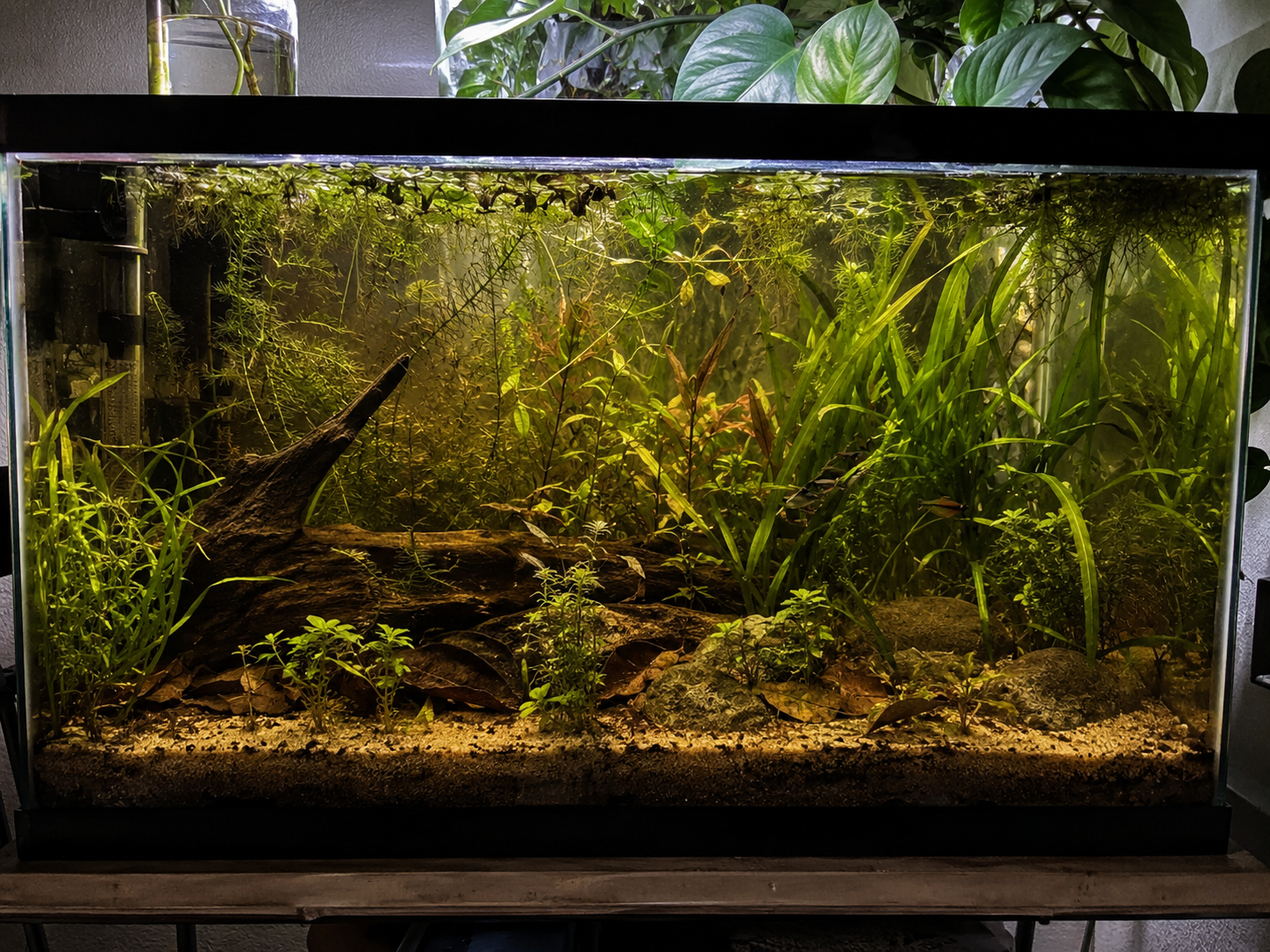
The Walstad Method: A Self-Sustaining Planted Tank with Almost No Maintenance
No CO2, no liquid fertilizers, minimal water changes — the Walstad Method uses organic soil under a sand cap to create a self-sustaining ecosystem. Here's how to set one up right.
 plant spotlight
Amazon Frogbit (Limnobium laevigatum): The South American Floater for Calm Tanks
Limnobium laevigatum from South America produces large, flat floating rosettes with dangling white roots — excellent betta cover, strong nitrate removal, and easy care in still to slow-moving water.
 plant spotlight
Red Root Floater (Phyllanthus fluitans): The RED Floater
Phyllanthus fluitans from South America is the showiest floating plant in the hobby — vivid red roots that hang 10+ cm below the surface and leaves that flush red under strong light. Easy with the right conditions.
 plant spotlight
Giant Duckweed (Spirodela polyrhiza): The Nutrient Vacuum of the Planted Tank
Spirodela polyrhiza is the largest duckweed species, found worldwide. Its multiple hanging roots and rapid growth make it an exceptional nutrient remover and surface cover for bettas and small fish.
 plant spotlight
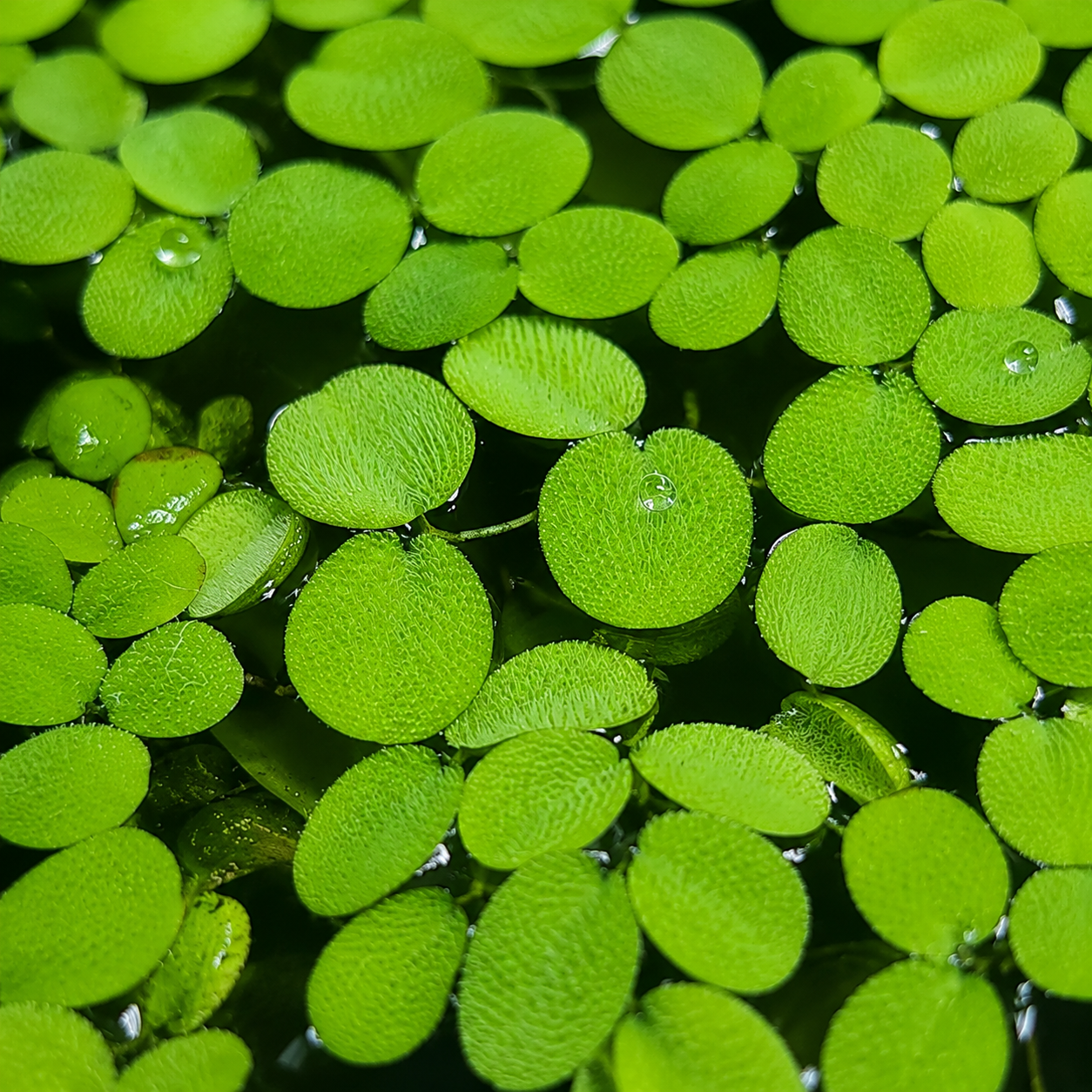
Salvinia Minima & Cucullata: Two Floating Ferns, Zero Effort
Salvinia minima from the Americas and Salvinia cucullata from Southeast Asia are floating ferns that cover the surface, shade the tank, and remove nutrients fast — all with no planting required.
 plant spotlight
Water Lettuce (Pistia stratiotes): Tropical Floating Cover That Bettas Love
Pistia stratiotes is a pantropical floating rosette with velvety ribbed leaves and trailing roots. It provides unmatched betta cover, aggressive nitrate control, and a lush, natural surface appearance.